
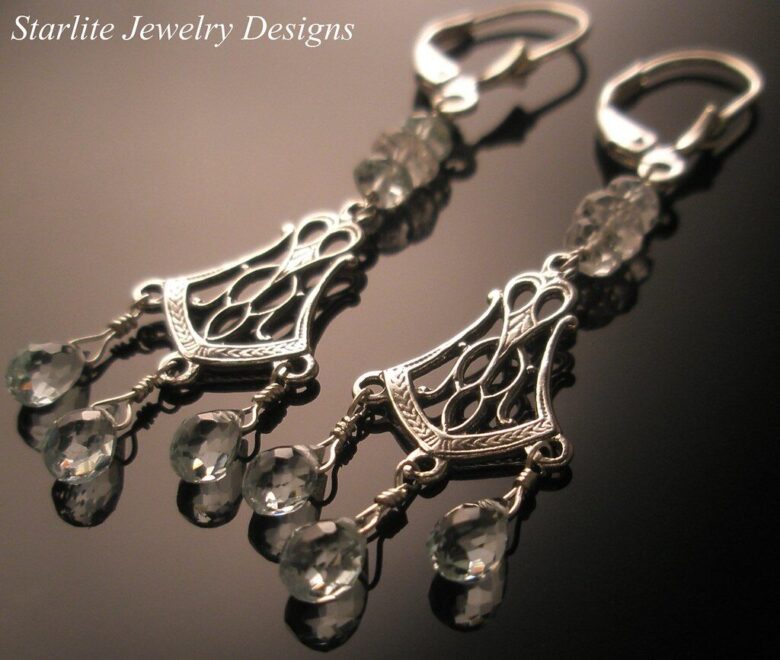
Learning how to safely sanitize your earrings and piercings matters because jewelry touches one of the most sensitive parts of your skin. Even a small amount of dirt, sweat, makeup, hair product, or bacteria can irritate a piercing hole, especially if the piercing is new or not fully healed.
The safest approach depends on what you are cleaning. A pair of removable earrings can usually be cleaned more directly, while a fresh piercing should be treated like a healing wound. Using the wrong product in the wrong place may cause dryness, burning, delayed healing, or extra irritation.
This guide explains how to clean earrings, how to care for healed piercings, what to avoid on fresh piercings, and when symptoms may be a sign that you need professional help. The goal is simple: keep jewelry clean without damaging your skin or the piercing channel.
In practice, most problems happen because people touch piercings with unwashed hands, change jewelry too early, use harsh chemicals, or ignore early signs of irritation. A careful routine is usually better than an aggressive one.
You do not need complicated products for everyday care. Clean hands, mild soap, clean water, sterile saline when appropriate, and proper drying are often enough for regular hygiene. The key is knowing when each method is safe to use.
Important safety note: this article is for general education and does not replace advice from a healthcare professional or a qualified piercer. If a piercing is very painful, swollen, hot, producing pus, embedded in the skin, or located in cartilage and getting worse, seek professional care.
Understand the Difference Between Cleaning Earrings and Cleaning Piercings
Earrings and piercings are related, but they are not the same thing. Earrings are jewelry. A piercing is a channel through the skin or cartilage. A healed piercing can usually tolerate gentle cleaning better than a fresh piercing, which is still delicate and more vulnerable to irritation.
When people say they want to sanitize a piercing, they often mean they want to prevent infection. That does not mean applying alcohol, hydrogen peroxide, or strong antiseptics directly into the piercing hole. These products can be too harsh for healing tissue unless a healthcare professional specifically recommends them.
For removable earrings, cleaning can be more direct. You can wash off buildup, disinfect certain metal posts, and dry them before wearing. For fresh piercings, the safest routine is usually gentle aftercare, clean hands, and avoiding unnecessary movement.
| What you are cleaning | Best general approach | Main caution |
|---|---|---|
| Removable metal earrings | Wash with mild soap and water, then disinfect the post if the material allows it. | Avoid alcohol on delicate stones, pearls, coated pieces, or unknown materials. |
| Healed piercing hole | Clean gently during bathing and keep jewelry clean before reinserting it. | Do not scrape, force jewelry, or over-clean the skin. |
| Fresh piercing | Use sterile saline or the aftercare method recommended by a qualified piercer. | Do not remove jewelry early or apply harsh chemicals without medical guidance. |
| Irritated or possibly infected piercing | Wash hands, avoid trauma, use gentle care, and monitor symptoms closely. | Seek medical help if symptoms worsen, especially with cartilage piercings. |
Checklist Before You Sanitize Earrings or Touch a Piercing
Before cleaning anything, prepare the area. This small step reduces the chance of transferring bacteria from your hands, sink, towel, or countertop onto the jewelry or piercing.
- Wash your hands with soap and clean running water before touching earrings or piercings.
- Use a clean towel, paper towel, or fresh gauze for drying.
- Work on a clean surface where the jewelry will not fall into the sink.
- Check whether the jewelry has stones, plating, pearls, enamel, glue, or coatings before using alcohol.
- Do not share earrings, piercing tools, or cleaning cloths with another person.
- Do not clean a fresh piercing with random home remedies, perfume, hand sanitizer, or makeup remover.
A common mistake is cleaning the jewelry carefully but then handling it with unwashed hands. If your hands are not clean, the jewelry becomes contaminated again before it even reaches your ear.
How to Safely Sanitize Earrings Step by Step
This method is best for regular earrings that are removable and not attached to a fresh piercing. If your earrings contain pearls, opals, soft stones, glued details, antique finishes, or gold plating, use the gentlest option and avoid soaking unless the maker’s care instructions say it is safe.
-
Wash your hands first.
Use soap and clean running water before touching the earrings. This prevents bacteria from your fingers from transferring to the posts, backs, or decorative parts.
-
Remove visible buildup.
Use mild soap and warm water to clean away skin oils, sweat, lotion, and debris. Do not use abrasive brushes because they can scratch metal, loosen stones, or damage plating.
-
Rinse carefully.
Soap residue can irritate skin, especially around piercing holes. Rinse the earrings well under clean water, keeping small pieces secure so they do not go down the drain.
-
Disinfect only if the material is suitable.
For simple solid metal posts, you may wipe the post and backing with 70% isopropyl alcohol. Avoid alcohol on pearls, porous stones, glued gems, painted surfaces, and delicate coatings.
-
Dry completely.
Use clean gauze, a lint-free cloth, or a paper towel. Moisture trapped behind earrings can irritate the skin and may encourage buildup.
-
Store in a clean place.
Place clean earrings in a dry jewelry box, pouch, or container. Do not drop sanitized earrings into a makeup bag, bathroom drawer, or dusty tray.
Which Cleaning Method Is Safe for Each Type of Earring?
Not all earrings should be cleaned the same way. Solid surgical steel, implant-grade titanium, and plain gold jewelry are usually easier to clean than costume jewelry, plated pieces, pearls, or earrings with glued stones.
When in doubt, choose mild soap and water instead of strong chemicals. A harsh product may make an earring look clean but still damage the finish, weaken adhesive, or leave residue that irritates your skin.
| Earring type | Safer cleaning option | What to avoid |
|---|---|---|
| Plain surgical steel or titanium | Mild soap and water, followed by alcohol wipe on the post if needed. | Scratching with rough tools or using dirty cloths. |
| Solid gold earrings | Gentle soap, warm water, careful drying. | Harsh abrasives that can dull the surface. |
| Gold-plated or fashion earrings | Quick wipe with a damp soft cloth and careful drying. | Soaking, alcohol, and scrubbing that can remove plating. |
| Pearls, opals, or porous stones | Soft damp cloth only, then dry immediately. | Alcohol, peroxide, ultrasonic cleaners, and long soaking. |
| Earrings with glued stones | Gentle surface cleaning without soaking. | Hot water, alcohol, or chemicals that may loosen glue. |
How to Care for a Fresh Piercing Without Damaging It
A fresh piercing is not just a hole; it is healing tissue. The safest routine is usually simple: wash your hands before touching it, clean only as recommended, avoid unnecessary movement, and keep the area away from dirt, makeup, hair products, and pressure.
Sterile saline is commonly used for piercing aftercare because it can rinse the area without being as harsh as alcohol or hydrogen peroxide. Use a product made for wound wash or piercing aftercare when possible, and avoid homemade mixtures if you cannot prepare them safely.
Do not twist jewelry aggressively. Older advice often told people to rotate earrings, but excessive movement can reopen healing tissue and drag buildup into the channel. If jewelry feels stuck, painful, or embedded, do not force it.
- Clean the piercing only as often as recommended, usually once or twice daily depending on professional guidance.
- Keep shampoo, conditioner, makeup, sunscreen, and hairspray away from the piercing when possible.
- Use clean pillowcases and avoid sleeping directly on a new ear piercing.
- Do not swim in pools, lakes, or hot tubs while a fresh piercing is still vulnerable unless your piercer or clinician says it is safe.
- Do not change jewelry early just because the outside looks healed.
- Watch for worsening pain, spreading redness, heat, swelling, or discharge.
Products You Should Not Use on Fresh Piercings
Strong cleaning products can make a fresh piercing worse. They may kill some germs, but they can also dry out skin, irritate healing tissue, and slow the normal repair process. More cleaning is not always better.
Alcohol, hydrogen peroxide, hand sanitizer, iodine, harsh antibacterial soaps, essential oils, acne products, and fragranced lotions should not be used on a healing piercing unless a healthcare professional specifically tells you to use them. Tea tree oil is another common mistake because it can irritate skin and cause dryness.
If you already used a harsh product once and the area feels dry or irritated, stop using it and return to gentle care. If pain, swelling, discharge, or redness gets worse, ask a professional instead of trying multiple home treatments.
Common Mistakes That Increase Irritation or Infection Risk
Many piercing problems are not caused by one dramatic event. They come from small repeated habits: touching the area, sleeping on it, using dirty earbuds, changing jewelry too soon, or cleaning with products that are too strong.
| Common mistake | Why it can cause problems | Safer habit |
|---|---|---|
| Touching the piercing throughout the day | Hands can transfer bacteria and oils to healing tissue. | Touch only when cleaning, and wash hands first. |
| Removing jewelry from a new irritated piercing | The channel may close and trap irritation or infection inside. | Ask a healthcare professional or qualified piercer before removing it. |
| Using alcohol repeatedly on a fresh piercing | It can dry and irritate the healing tissue. | Use sterile saline or the aftercare method recommended for your piercing. |
| Wearing earrings that are too tight | Pressure can reduce airflow and increase swelling or discomfort. | Use properly fitted jewelry and avoid tight backs. |
| Ignoring cartilage symptoms | Cartilage has less blood flow and infections can become more serious. | Seek medical care sooner if cartilage is painful, hot, swollen, or discharging fluid. |
Signs Your Piercing May Need Professional Care
Mild tenderness can happen after a new piercing, but symptoms should gradually improve. If the area becomes more painful, hotter, darker or redder, swollen, or starts producing yellow, green, white, bloody, or foul-smelling discharge, it may need medical attention.
Cartilage piercings deserve extra caution. Because cartilage has less blood flow than the earlobe, infections can be harder to manage and may become more serious. If a cartilage piercing is painful, very swollen, or getting worse, do not wait too long to seek care.
You should also get help if the jewelry is stuck, the backing is embedded, you have fever or chills, the swelling spreads, or the piercing does not improve with gentle care. A qualified professional can help determine whether the issue is irritation, allergy, infection, poor jewelry fit, or another problem.
How to Keep Earrings and Piercings Clean in Daily Life
Daily habits matter as much as cleaning sessions. Phones, headphones, hats, hair, pillowcases, helmets, and makeup brushes can all touch the ear area. If those items are dirty, they can reintroduce buildup even after you clean your earrings.
For healed piercings, remove earrings regularly if your skin tolerates it, clean the posts, and let the skin dry after bathing. For new piercings, follow the healing timeline given by your piercer and avoid changing jewelry until it is safe.
If your ears often itch after wearing certain earrings, the issue may be sensitivity or allergy rather than poor hygiene. Nickel sensitivity is common, so implant-grade titanium, niobium, or high-quality gold may be better options for sensitive skin.
Conclusion
Safe earring and piercing hygiene starts with a simple rule: clean the jewelry without attacking the skin. Removable earrings can often be washed and carefully disinfected, but fresh piercings need gentle aftercare instead of harsh chemicals.
If you want to safely sanitize your earrings and piercings, focus on clean hands, suitable products, proper drying, and avoiding unnecessary touching. A calm routine is usually more effective than over-cleaning with strong solutions.
When symptoms look unusual, get worse, involve cartilage, or include pus, fever, spreading swelling, or embedded jewelry, seek help from a healthcare professional or a qualified piercer. Cleaning is useful, but professional care is the safer next step when the skin is not healing normally.
FAQ
1. Can I use rubbing alcohol to sanitize earrings?
You can use rubbing alcohol on some plain metal earring posts, such as simple stainless steel or titanium, but it is not safe for every earring. Avoid alcohol on pearls, opals, porous stones, gold-plated pieces, painted surfaces, glued gems, and delicate costume jewelry. Alcohol may damage finishes, loosen adhesive, or dry out certain materials. If you are unsure what the earring is made of, use mild soap, clean water, and careful drying instead.
2. Should I put alcohol directly on a new piercing?
In most cases, alcohol should not be applied directly to a fresh piercing unless a healthcare professional tells you to do so. A new piercing is healing tissue, and alcohol can be too drying or irritating. Many piercing aftercare routines use sterile saline because it rinses the area gently without harsh chemicals. If the piercing looks infected or is getting worse, do not keep adding stronger products. Ask a healthcare professional or qualified piercer for guidance.
3. How often should I clean my earrings?
For earrings you wear often, cleaning once a week is a practical routine. If you sweat a lot, use hair products, wear makeup near your ears, or have sensitive skin, you may need to clean them more often. Earrings worn in healed piercings should also be cleaned before reinserting them after storage. For fresh piercings, do not remove jewelry just to clean it unless a professional says it is safe.
4. Can I sanitize earrings with boiling water?
Boiling water is not a good universal method for earrings. It may be acceptable for some plain solid metal jewelry, but it can damage plated pieces, glued stones, pearls, enamel, plastic, acrylic, and delicate decorative parts. Heat may also loosen settings or change the appearance of certain materials. For most home care, mild soap and warm water are safer. If you need medical-grade sterilization, home boiling is not the same as professional sterilization.
5. Is sterile saline enough for a piercing?
Sterile saline is often enough for routine cleaning of a healing piercing when used correctly. It helps rinse away crust and debris without the harshness of alcohol or peroxide. However, saline is not a cure for every problem. If the piercing becomes increasingly painful, swollen, hot, or produces pus, you may need professional care. Saline supports gentle hygiene, but it does not replace medical treatment when an infection is present.
6. Should I remove an earring if my piercing looks infected?
Do not automatically remove jewelry from a new or possibly infected piercing. In some cases, removing it can allow the opening to close while irritation or infection remains inside. This can make the situation harder to manage. If the jewelry is embedded, extremely tight, or causing severe pain, seek professional help quickly. A healthcare professional or qualified piercer can tell you whether removal is safe and how it should be done.
7. Why does my piercing smell even after cleaning?
A mild odor can come from dead skin cells, sweat, oil, and buildup around jewelry, especially in healed piercings. Cleaning the jewelry and drying the area usually helps. However, a strong foul smell with pain, swelling, warmth, or discharge may suggest infection or trapped debris. Also check whether the jewelry fits too tightly or is made from a material that irritates your skin. If the smell continues with symptoms, get professional advice.
8. Can I use hydrogen peroxide on earrings or piercings?
Hydrogen peroxide is not ideal for fresh piercings because it can irritate healing tissue and slow normal recovery. For earrings, it may also affect certain finishes or decorative materials. It is better to clean most earrings with mild soap and water, then disinfect only compatible metal posts if needed. If you are dealing with possible infection, do not rely on peroxide as treatment. Worsening symptoms should be checked by a healthcare professional.
9. How do I clean earrings with gemstones?
Gemstone earrings need extra care because not all stones tolerate water, alcohol, heat, or soaking. Hard stones in secure settings may handle gentle soap and water, but pearls, opals, turquoise, and other porous materials should usually be wiped with a soft damp cloth and dried right away. Avoid soaking earrings with glued stones. If the earrings are valuable, antique, or unclear in material, follow the jeweler’s care instructions.
10. What are signs of an infected ear piercing?
Possible signs include worsening redness or darkening, swelling, warmth, increasing pain, tenderness, itching that does not improve, and discharge such as white, yellow, green, bloody, or foul-smelling fluid. Fever or chills are warning signs that need medical attention. Cartilage piercings should be taken seriously because infections there can become more complicated. If symptoms are getting worse instead of gradually improving, it is safer to ask a healthcare professional.
11. Can dirty earrings cause irritation even in healed piercings?
Yes. Even healed piercings can become irritated when earrings have buildup from sweat, skin oils, makeup, hair products, or bacteria. Tight backs, heavy earrings, or sensitive materials can make irritation more likely. If your ears become itchy, sore, or flaky after wearing certain earrings, clean the jewelry and consider whether the metal itself is causing sensitivity. Switching to higher-quality hypoallergenic jewelry may help in many cases.
12. When is it safe to change jewelry in a new piercing?
The safe timing depends on the piercing location, your healing process, and the jewelry type. Earlobes often heal faster than cartilage, but the outside can look healed before the inside is ready. Changing jewelry too early may irritate the channel, cause swelling, or introduce bacteria. Follow the timeline given by your piercer, and if you are unsure, have the first change done by a qualified professional.
Editorial note: this guide is educational and focuses on practical hygiene. It does not replace medical evaluation for painful, worsening, infected, or complicated piercings, especially piercings involving cartilage or embedded jewelry.
Official References
- CDC — About Handwashing
- Mayo Clinic — How to Treat a Piercing Infection
- Cleveland Clinic — Infected Ear Piercing
- NHS — Infected Piercings

Orion Eastwood is a certified jewelry materials specialist with over twelve years of experience in metal testing, gemstone authentication, and consumer advocacy. He began as a quality assurance technician for a jewelry importer in Portland, Oregon, before moving to independent consulting in 2017, where he has tested over 2,000 jewelry samples for plating durability, nickel content, and hypoallergenic compliance.
Orion holds a Graduate Diamonds diploma from the Gemological Institute of America (GIA) and advanced training in precious metal analysis through the Jewelers Vigilance Committee (JVC). At Moda Jewels, he translates technical metallurgical concepts into practical buying and care guidance for everyday consumers.