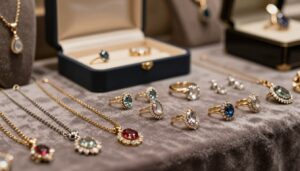

Choosing jewelry for your skin tone can make a simple outfit look more balanced, polished, and intentional. The right metal, gemstone, or color accent can brighten your face, complement your natural features, and help your accessories feel like part of your style instead of something added at the last minute.
Many people choose jewelry only by trend, price, or personal taste, but skin tone plays an important role in how metals and colors appear against the body. A necklace that looks soft and elegant on one person may look too harsh, dull, or overpowering on another because the undertone of the skin changes the way color is perceived.
The good news is that you do not need to follow strict fashion rules. Jewelry should still reflect your personality, lifestyle, and comfort. Skin tone guidance simply gives you a practical starting point when you are unsure whether gold, silver, rose gold, pearls, diamonds, emeralds, sapphires, or colorful stones will suit you best.
This guide explains how to choose jewelry for your skin tone in a simple way, including how to identify your undertone, which metals usually work best, how to pick gemstones, what mistakes to avoid, and when it makes sense to ask for professional help before buying an expensive piece.
Important note: jewelry advice should guide your choices, not limit them. For expensive pieces, fine jewelry, allergies, or custom designs, confirm material quality with a trusted jeweler and check whether the metal is suitable for your skin sensitivity.
Understanding Skin Tone and Undertone Before Choosing Jewelry
Before choosing jewelry, it helps to understand the difference between skin tone and undertone. Skin tone is the surface color of your skin, such as fair, light, medium, tan, deep, or dark. Undertone is the subtle color beneath the surface, usually described as warm, cool, or neutral.
Your skin tone can change with sun exposure, seasons, or skincare habits, but your undertone usually stays more stable. That is why two people with similar skin depth may look better in different jewelry metals. One person may glow in yellow gold, while another may look more balanced in silver or platinum.
In practice, undertone is more useful than surface tone when choosing jewelry. A deep skin tone can have cool undertones, warm undertones, or neutral undertones. The same is true for fair skin. That is why it is better not to assume that one metal works for all light skin or all dark skin.
| Undertone | Common Signs | Jewelry Direction |
|---|---|---|
| Warm | Skin has golden, peachy, honey, or olive warmth. | Yellow gold, bronze, copper, warm pearls, earthy stones. |
| Cool | Skin has pink, rosy, red, blue, or violet undertones. | Silver, white gold, platinum, diamonds, blue and purple stones. |
| Neutral | Skin has a balanced mix of warm and cool tones. | Most metals work well, including mixed-metal jewelry. |
How to Identify Your Skin Undertone at Home
You can usually identify your undertone with a few simple checks. The goal is not to get a perfect scientific result, but to notice patterns. If several tests point in the same direction, you likely have that undertone. If the results are mixed, you may be neutral.
A common method is the vein test. Look at the veins on your wrist in natural light. If they appear more green, your undertone may be warm. If they appear blue or purple, your undertone may be cool. If they look like a mix of both, you may have a neutral undertone.
Another useful method is the white fabric test. Hold a clean white shirt or towel near your face in natural daylight. If your skin looks more golden or peachy, you may be warm. If your skin looks more pink or rosy, you may be cool. If neither effect is strong, neutral may be more accurate.
-
Check your veins in natural light.
Look at your wrist near a window. Green-looking veins often suggest warm undertones, while blue or purple veins often suggest cool undertones. Avoid checking under yellow indoor lighting because it can change the result.
-
Compare gold and silver near your face.
Hold a gold necklace and a silver necklace close to your skin. If gold makes your face look brighter, warm metals may suit you. If silver looks cleaner and more balanced, cool metals may be better.
-
Use a white clothing test.
Place a white fabric near your face and notice whether your skin appears golden, pink, or balanced. This helps separate surface skin color from undertone.
-
Notice your best clothing colors.
If you often look good in mustard, olive, cream, or rust, you may lean warm. If navy, icy blue, emerald, or lavender suits you better, you may lean cool.
-
Confirm with real jewelry.
The most practical test is wearing different metals and noticing which one makes your skin look fresh rather than tired, gray, or overly yellow.
Best Jewelry Metals for Warm Skin Tones
Warm skin tones usually pair beautifully with yellow gold, bronze, copper, brass, and some shades of rose gold. These metals echo the golden or peachy warmth in the skin, creating a smooth and natural effect. They often make the face look brighter without creating a sharp contrast.
Yellow gold is one of the safest choices for warm undertones. It works well for earrings, necklaces, rings, bracelets, and watches. If you prefer a softer look, brushed gold or matte gold can feel more understated than very shiny gold.
Rose gold can also work well on warm skin, especially when the pink tone is not too cool. A rose gold piece with a peachy or copper finish may look more harmonious than one with a very pink finish. Copper jewelry can be especially flattering on warm olive or tan skin, although it may require extra care because it can tarnish over time.
- Choose yellow gold when you want a classic and warm effect.
- Try bronze or copper for earthy, casual, or vintage-inspired looks.
- Use cream pearls instead of very icy white pearls for a softer finish.
- Pair warm metals with brown, olive, ivory, coral, terracotta, or beige outfits.
- Avoid metals that make your skin look gray, pale, or overly yellow.
Best Jewelry Metals for Cool Skin Tones
Cool skin tones often look elegant with silver, white gold, platinum, stainless steel, and bright white metals. These metals usually complement pink, rosy, blue, or violet undertones because they create a clean and balanced contrast.
Silver is a practical option for everyday jewelry because it is widely available and works with many outfits. White gold and platinum are common choices for fine jewelry, engagement rings, and formal pieces. Platinum is usually more expensive, but it is valued for durability and a naturally white finish.
If yellow gold looks too strong or makes the skin appear dull, cool-toned metals may feel more natural. In many cases, cool undertones also pair well with diamonds, white pearls, sapphires, amethysts, aquamarines, and blue-based gemstones.
| Metal | Best For | Care Point |
|---|---|---|
| Silver | Everyday jewelry and casual looks. | May tarnish and need occasional cleaning. |
| White gold | Fine jewelry with a polished finish. | May need replating over time depending on wear. |
| Platinum | Durable rings and luxury pieces. | Usually costs more than silver or white gold. |
| Stainless steel | Minimalist and affordable accessories. | Check quality if you have metal sensitivity. |
Choosing Gemstones and Colors That Match Your Skin Tone
Gemstones can change the whole mood of a jewelry piece. Even when the metal is flattering, the stone color can make the jewelry look softer, brighter, bolder, or less balanced. For that reason, it is useful to choose gemstones with both undertone and personal style in mind.
Warm undertones usually work well with stones such as citrine, garnet, amber, coral, peridot, tiger’s eye, warm topaz, and earthy green stones. These colors connect naturally with golden, peachy, olive, and honey tones in the skin.
Cool undertones often suit sapphires, diamonds, emeralds, amethysts, aquamarines, blue topaz, rubies with a blue base, and cool pink stones. These colors tend to bring brightness to the skin without adding too much yellow or orange warmth.
| Skin Undertone | Flattering Gemstone Colors | Style Effect |
|---|---|---|
| Warm | Amber, coral, citrine, olive green, warm red, brown. | Natural, glowing, earthy, and rich. |
| Cool | Sapphire, emerald, amethyst, icy blue, cool pink, diamond. | Fresh, elegant, crisp, and refined. |
| Neutral | Most colors, especially balanced jewel tones. | Flexible, modern, and easy to style. |
How Neutral Skin Tones Can Wear Almost Any Jewelry
Neutral skin tones have the most flexibility because they can usually wear both warm and cool metals. If you have a neutral undertone, yellow gold, silver, rose gold, white gold, and mixed metals may all look natural on you.
The main decision for neutral skin is often not undertone, but contrast, outfit color, and personal style. For example, yellow gold may feel warmer and more classic, while silver may feel cleaner and more modern. Rose gold may create a softer and more romantic effect.
Mixed-metal jewelry is especially useful for neutral undertones. A necklace that combines gold and silver, or a watch with both warm and cool details, can connect different accessories in one outfit. This is also a practical option if you already own pieces in several metals.
- Try both gold and silver before deciding on your favorite metal.
- Use mixed metals when your outfit already includes different hardware colors.
- Choose gemstone colors based on clothing, eye color, and occasion.
- Keep one dominant metal if you want a cleaner and more polished look.
- Use neutral pearls, diamonds, or clear stones when you want maximum versatility.
Matching Jewelry With Hair Color, Eye Color, and Outfit Style
Skin tone is important, but it is not the only detail that affects jewelry choice. Hair color, eye color, makeup, clothing, and the occasion can also influence which piece looks best. A necklace that suits your undertone may still feel too heavy if it clashes with your outfit or neckline.
For example, warm brown, caramel, red, or golden blonde hair often works well with yellow gold and warm gemstones. Ash blonde, black, silver, or cool brown hair may pair beautifully with silver, white gold, and cooler stones. These are not strict rules, but they can help when you are building a complete look.
Eye color can also guide gemstone choices. Green eyes may stand out with emerald, peridot, or warm gold. Blue eyes often look brighter with sapphire, aquamarine, or silver. Brown eyes are highly flexible and can work with gold, bronze, diamonds, emeralds, and deep jewel tones.
| Feature | Jewelry Idea | Why It Works |
|---|---|---|
| Warm brown hair | Yellow gold or amber stones. | Repeats the warmth in the hair and skin. |
| Ash blonde hair | Silver or white gold. | Creates a clean and cool balance. |
| Green eyes | Emerald, peridot, or gold accents. | Highlights natural green tones. |
| Blue eyes | Sapphire, aquamarine, or platinum. | Enhances cool brightness. |
Common Mistakes When Choosing Jewelry for Your Skin Tone
One common mistake is treating skin tone advice as a fixed rule. If you love a metal that is not traditionally recommended for your undertone, you can still wear it. The goal is to understand why some pieces look easier to style, not to remove personal preference from your wardrobe.
Another mistake is testing jewelry under poor lighting. Store lights, yellow bathroom lights, or strong artificial lighting can change how metals look against your skin. Whenever possible, check jewelry in natural light or take a clear photo near a window before deciding.
A more expensive mistake is buying fine jewelry only because it is trendy. Trends can fade quickly, but undertone, comfort, quality, and lifestyle matter more for pieces you plan to wear often. Before investing in gold, platinum, diamonds, or custom jewelry, think about how often you will use the piece and whether it matches your existing wardrobe.
| Mistake | Possible Result | Better Choice |
|---|---|---|
| Buying only because of a trend. | The piece may not match your style later. | Choose pieces that suit your skin tone and wardrobe. |
| Ignoring metal sensitivity. | The jewelry may irritate your skin. | Check material details before buying. |
| Testing jewelry in bad lighting. | The color may look different at home. | View the piece in natural light when possible. |
| Assuming one rule fits everyone. | You may reject pieces that actually suit you. | Use undertone guidance as a starting point. |
When to Ask a Jeweler or Stylist for Help
You do not need professional help for every jewelry purchase. For affordable fashion jewelry, you can test different metals and colors until you find what feels right. But for expensive pieces, custom designs, engagement rings, heirloom jewelry, or allergy concerns, expert guidance can prevent costly mistakes.
A jeweler can explain the difference between solid gold, gold-plated, gold-filled, sterling silver, stainless steel, white gold, and platinum. This matters because two pieces may look similar but have very different durability, value, and care requirements.
A stylist can help if you are building a complete look for a wedding, formal event, professional wardrobe, or personal rebrand. In many cases, the best choice is not only the metal that suits your undertone, but the piece that also matches your neckline, clothing colors, face shape, and lifestyle.
- Ask a jeweler before buying expensive gold, diamonds, or platinum.
- Confirm the exact metal if you have sensitive skin.
- Request care instructions before purchasing fine jewelry.
- Try the piece with clothing similar to what you plan to wear.
- For custom jewelry, review sketches, metal samples, and stone options before approving the final design.
Conclusion
Learning how to choose jewelry for your skin tone makes shopping easier and helps you understand why some metals and colors look more natural on you than others. Warm undertones usually pair well with yellow gold and earthy stones, cool undertones often suit silver and bright gemstones, and neutral undertones can usually wear a wide range of options.
The most practical approach is to test jewelry in natural light, compare metals near your face, and notice which pieces make your skin look fresh and balanced. Instead of following rules blindly, use your undertone as a guide while still respecting your taste, outfit style, and comfort.
If you are buying fine jewelry, custom pieces, or anything expensive, it is safer to confirm the material, quality, and care instructions with a trusted jeweler. That way, your jewelry choice is not only flattering for your skin tone, but also practical for long-term use.
FAQ
1. How do I know if gold or silver looks better on me?
The easiest way is to compare both metals near your face in natural light. If gold makes your skin look warmer, brighter, and more alive, you may have warm undertones. If silver makes your skin look clearer, fresher, and more balanced, you may have cool undertones. If both look good, you may have a neutral undertone. Avoid judging only under store lighting because artificial lights can make metals look warmer or cooler than they really are.
2. Can I wear gold if I have cool undertones?
Yes, you can wear gold even if you have cool undertones. Skin tone advice is a guide, not a strict rule. If yellow gold feels too strong, try a softer gold, a thin chain, a small pair of earrings, or a mixed-metal piece that includes silver or white gold. You can also balance yellow gold with clothing colors that suit cool undertones, such as navy, white, lavender, emerald, or cool pink.
3. Can I wear silver if I have warm undertones?
Yes, silver can still work on warm undertones, especially when the design is delicate or combined with warm stones. If bright silver feels too sharp, try oxidized silver, mixed metals, or silver jewelry with amber, citrine, coral, tiger’s eye, or warm pearls. The overall design matters as much as the metal. A piece that includes warm color details may feel more balanced than plain icy silver.
4. What jewelry is best for neutral skin tones?
Neutral skin tones usually have the most flexibility. Yellow gold, silver, rose gold, white gold, platinum, and mixed metals can all look good depending on the outfit and occasion. If you have neutral undertones, focus more on your personal style, clothing colors, contrast level, and the type of look you want. Gold may feel classic and warm, silver may feel modern, and rose gold may feel soft and romantic.
5. Are rose gold pieces good for every skin tone?
Rose gold is versatile, but it does not look exactly the same on everyone. It often works beautifully on warm and neutral undertones because its pink and copper tones add softness. On cool undertones, some rose gold pieces may look flattering, while others may appear too warm. The best option is to test different shades of rose gold because some are more pink, while others are more copper or peach.
6. Which gemstones look best on warm skin tones?
Warm skin tones often look good with gemstones that have golden, earthy, orange, red, brown, or olive qualities. Examples include citrine, amber, coral, garnet, tiger’s eye, warm topaz, peridot, and some green stones. These colors usually connect well with golden, peachy, honey, or olive undertones. If you prefer cooler stones, you can still wear them, but they may look more balanced when set in yellow gold or warm-toned metal.
7. Which gemstones look best on cool skin tones?
Cool skin tones usually pair well with gemstones that have blue, purple, icy, white, or blue-based red tones. Examples include sapphire, amethyst, aquamarine, diamond, emerald, blue topaz, and cool pink stones. These colors can make cool undertones look clean and bright. Silver, white gold, and platinum settings often enhance this effect because they keep the overall jewelry design crisp and balanced.
8. Does dark skin always look better with gold jewelry?
No. Dark skin can look beautiful with gold, silver, rose gold, platinum, and colorful gemstones. The best choice depends on undertone, contrast, personal style, and the specific piece. Some deep skin tones have warm undertones and glow with yellow gold, while others have cool undertones and look striking with silver or platinum. It is better to test metals near the skin instead of assuming that one rule applies to every dark skin tone.
9. Does fair skin always look better with silver jewelry?
No. Fair skin can have warm, cool, or neutral undertones. Fair skin with cool undertones may look especially balanced with silver, white gold, or platinum. Fair skin with warm undertones may look softer with yellow gold, rose gold, or warm pearls. Very bright metals can sometimes create strong contrast, so delicate designs may feel more natural for everyday wear. Testing both gold and silver is still the safest approach.
10. How can I choose jewelry for sensitive skin?
If you have sensitive skin, material quality matters as much as color. Some people react to certain metal alloys, coatings, or nickel content. Before buying, check whether the piece is solid gold, sterling silver, stainless steel, titanium, platinum, gold-filled, or plated. For expensive jewelry, ask the seller for clear material details. If you have frequent irritation, it may be worth speaking with a dermatologist or choosing hypoallergenic options from reputable sellers.
11. Should my earrings match my necklace metal?
Your earrings and necklace do not always need to match, but matching metals creates a cleaner and more classic look. Mixed metals can also look stylish when done intentionally. A good rule is to repeat each metal at least once in the outfit. For example, if you wear gold earrings and a silver necklace, a bracelet or ring with both metals can make the combination look planned instead of accidental.
12. What is the safest jewelry choice as a gift?
If you are buying jewelry as a gift and do not know the person’s undertone, choose a versatile option. Simple pieces in neutral designs, small diamonds, clear stones, pearls, or mixed metals are usually safer than bold colors. You can also look at the jewelry they already wear. If they often wear yellow gold, stay with gold. If they mostly wear silver, choose silver or white gold. Personal habit is often the best clue.
13. Can clothing color affect how jewelry looks?
Yes, clothing color can strongly affect how jewelry appears. A metal that looks too warm with one outfit may look perfect with another. Gold often pairs well with cream, brown, olive, rust, beige, and warm red. Silver often pairs well with black, white, navy, gray, lavender, icy blue, and cool pink. When choosing jewelry for an event, test it with the actual outfit instead of judging the piece alone.
14. Is mixed-metal jewelry a good option?
Mixed-metal jewelry is a good option for people who like flexibility or have neutral undertones. It also helps connect different accessories, such as a silver watch with gold rings or a gold necklace with silver earrings. The key is balance. If the outfit already has gold buttons, silver shoes, or a mixed-metal bag, jewelry that includes both tones can make the full look feel more intentional.
Editorial note: This article offers general style guidance for choosing jewelry based on skin tone and undertone. For valuable jewelry, custom pieces, allergies, or long-term investment purchases, confirm metal quality, gemstone details, and care requirements with a trusted professional before buying.

Orion Eastwood is a certified jewelry materials specialist with over twelve years of experience in metal testing, gemstone authentication, and consumer advocacy. He began as a quality assurance technician for a jewelry importer in Portland, Oregon, before moving to independent consulting in 2017, where he has tested over 2,000 jewelry samples for plating durability, nickel content, and hypoallergenic compliance.
Orion holds a Graduate Diamonds diploma from the Gemological Institute of America (GIA) and advanced training in precious metal analysis through the Jewelers Vigilance Committee (JVC). At Moda Jewels, he translates technical metallurgical concepts into practical buying and care guidance for everyday consumers.