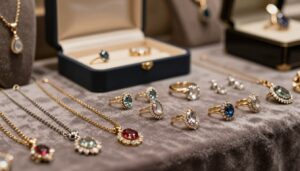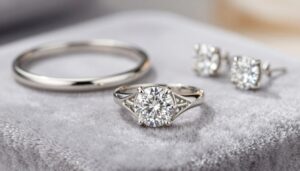
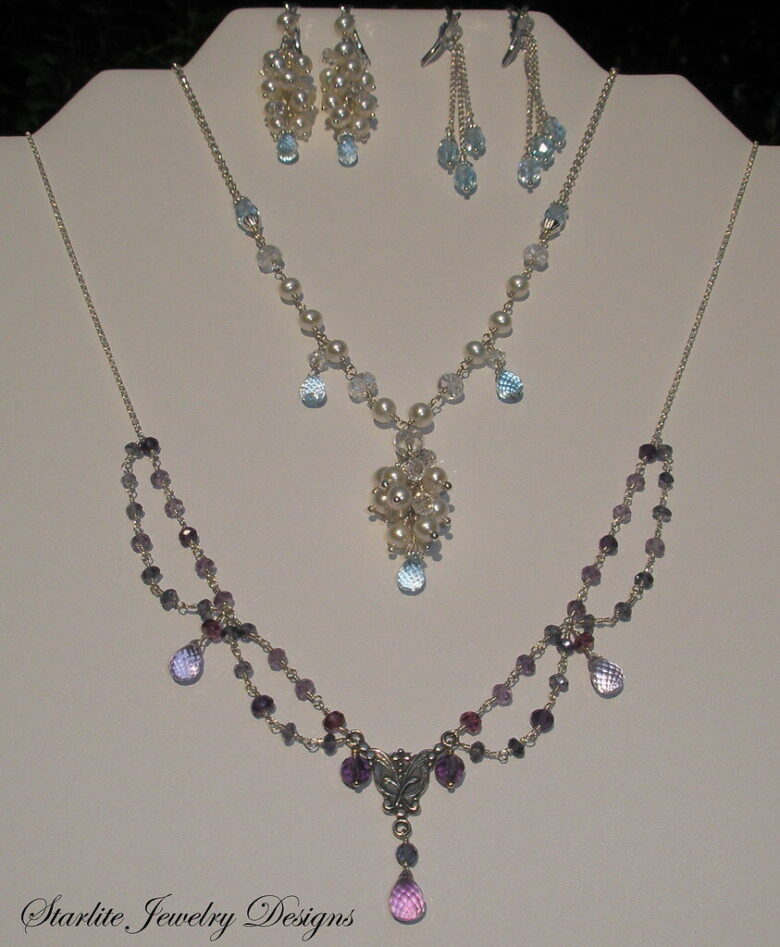
Gold plated vs gold vermeil vs solid gold is one of the most common comparisons buyers face when shopping for modern jewelry online or in stores. These terms can look similar on a product page, but they describe very different materials, durability levels, care needs, and long-term value.
The short version is simple: gold plated jewelry has a thin layer of gold over another metal, gold vermeil has a thicker gold layer over sterling silver, and solid gold contains gold throughout the piece, usually mixed with other metals for strength. The right choice depends on your budget, how often you plan to wear the piece, your skin sensitivity, and whether long-term value matters to you.
This guide explains each option in plain English, without assuming you already know jewelry terminology. You will learn how to read common stamps, what questions to ask before buying, which warning signs to watch for, and when it is worth paying more.
In practice, many buying mistakes happen because shoppers focus only on the color of the jewelry. A necklace, ring, or bracelet may look golden in photos, but its construction determines how it wears over time. A low-cost plated ring and an 18K solid gold ring can appear similar at first glance, yet perform very differently after months of use.
Before spending money, it helps to understand what the seller is actually promising. Words like “gold tone,” “gold finish,” “14K plated,” “vermeil,” and “solid gold” are not interchangeable. A careful buyer should compare the metal base, gold purity, plating thickness, return policy, and care instructions before deciding.
Important note: jewelry descriptions can vary by country and seller. Before buying an expensive piece, confirm the metal details with the retailer, check the hallmark when available, and avoid sharing payment or personal information on websites you do not trust.
Gold Plated vs Gold Vermeil vs Solid Gold: The Core Difference
The main difference is the structure of the jewelry. Gold plated pieces are made from a base metal covered with a thin layer of gold. Gold vermeil pieces also have a gold layer, but the base must be sterling silver in many recognized standards, and the gold layer is usually thicker than standard plating. Solid gold is gold alloy all the way through, not just on the surface.
This matters because the surface layer is the first part exposed to sweat, friction, perfume, soap, and daily wear. If the gold layer is very thin, it can fade or wear away faster, especially on rings and bracelets. Earrings and occasional necklaces usually experience less friction, so plated options may last longer in those categories.
Solid gold is usually the most durable and valuable option, but it is not always pure 24K gold. Most wearable gold jewelry is alloyed with other metals to improve strength. For example, 14K and 18K gold contain different proportions of gold and other metals, which affects color, hardness, price, and wear.
| Type of Jewelry | What It Usually Means | Best For | Main Limitation |
|---|---|---|---|
| Gold plated | A thin layer of gold applied over a base metal such as brass, copper, stainless steel, or another alloy. | Trendy pieces, occasional wear, travel jewelry, and lower-budget purchases. | The gold layer can fade, scratch, or reveal the base metal over time. |
| Gold vermeil | A gold layer over sterling silver, often with a thicker coating than basic plating. | Buyers who want a better base metal than brass without paying for solid gold. | It still has a surface gold layer, so it needs careful wear and cleaning. |
| Solid gold | Gold alloy throughout the entire piece, commonly sold as 10K, 14K, 18K, or 22K depending on market and design. | Daily wear, heirloom pieces, sensitive skin concerns, and long-term value. | It costs more upfront and softer high-karat gold can scratch more easily. |
What Gold Plated Jewelry Really Means
Gold plated jewelry is made by applying a layer of gold onto another metal. The gold layer may be real gold, but the piece itself is not solid gold. This is why a product described as “14K gold plated” does not mean the whole item is 14K gold. It usually means the outer coating uses gold of that karat purity.
Gold plating is popular because it makes jewelry affordable and accessible. It allows shoppers to wear fashionable designs without paying solid gold prices. For earrings worn occasionally or a necklace used for special outfits, a well-made plated piece can be a practical choice.
The tradeoff is durability. The plating can wear down where the piece rubs against skin, clothing, or other jewelry. Rings are especially vulnerable because they touch water, soap, hand sanitizer, bags, keys, and surfaces throughout the day. A common mistake is buying a plated ring for daily use and expecting it to behave like solid gold.
Common Terms Used for Plated Jewelry
You may see abbreviations such as GP, GEP, HGE, or RGP. These markings can indicate gold plating, gold electroplating, heavy gold electroplate, or rolled gold plate. The exact meaning can depend on the seller and local rules, so the safest approach is to ask for the base metal, gold karat, and plating thickness when the piece is more than a casual purchase.
- Check whether the product says “gold plated,” “gold tone,” “gold finish,” or “gold color.”
- Look for the base metal, especially if you have sensitive skin.
- Ask whether the plating thickness is disclosed in microns.
- Avoid assuming that “14K plated” means solid 14K gold.
- Read the care instructions before wearing the piece in water or during exercise.
What Gold Vermeil Means and Why It Costs More Than Basic Plating
Gold vermeil is often seen as a middle option between standard gold plating and solid gold. In many recognized jewelry descriptions, vermeil refers to gold applied over sterling silver, usually with a thicker gold layer than ordinary plating. This gives the piece a more valuable base metal and often better wear potential than cheap plated jewelry.
The base metal matters. Sterling silver is a precious metal, while many basic plated pieces use brass, copper, or other less expensive metals underneath. If the gold layer wears down on vermeil, the exposed material is silver rather than a lower-cost base metal. That can be more comfortable for some buyers and more appealing for people who avoid nickel or unknown alloys.
However, vermeil is not the same as solid gold. The outer gold layer can still fade if exposed repeatedly to moisture, chemicals, friction, or rough cleaning. It is a better choice than basic plating for many shoppers, but it still requires realistic expectations.
| Feature to Check | Why It Matters | Safer Buyer Question |
|---|---|---|
| Base metal | Vermeil should be built on sterling silver in recognized usage. | “Is the base metal sterling silver, and is it marked 925?” |
| Gold thickness | A thicker layer usually wears better than flash plating. | “How many microns thick is the gold layer?” |
| Gold purity | The karat affects color, softness, and value perception. | “Is the outer layer 10K, 14K, 18K, or another karat?” |
| Care limits | Water, sweat, perfume, and friction can shorten the life of the finish. | “Can this be worn daily, or is it recommended for occasional use?” |
What Solid Gold Really Means
Solid gold jewelry contains gold alloy throughout the piece. It is not a coating over a cheaper metal. If a solid gold ring scratches, the material underneath is still gold alloy. This is the main reason solid gold is preferred for wedding bands, heirloom jewelry, fine chains, and pieces worn every day.
Solid gold does not always mean pure gold. Pure 24K gold is rich in color but soft for many jewelry designs. That is why jewelry is commonly made in 10K, 14K, 18K, or 22K, depending on the country, style, and purpose. The karat tells you how much of the alloy is gold compared with other metals.
Higher karat gold usually has a richer gold color and higher gold content, but it can also be softer. Lower karat gold is often stronger and more affordable, though it contains less gold. For everyday rings, many buyers choose 14K or 18K because they balance durability, appearance, and price in a practical way.
Simple Karat Guide
| Karat | Gold Content | Practical Meaning |
|---|---|---|
| 10K | Lower gold content than 14K or 18K. | Often more affordable and harder, but color may be less rich. |
| 14K | A common balance of gold and alloy metals. | Popular for daily wear because it offers good strength and recognizable gold value. |
| 18K | Higher gold content than 14K. | Richer color and higher value, but usually more expensive and somewhat softer. |
| 22K or 24K | Very high gold content. | Beautiful color, but softness can be a concern for pieces exposed to heavy wear. |
How to Choose the Right Option Before Buying
The best choice is not always the most expensive one. A plated pair of earrings may be perfectly reasonable if you want a seasonal style. A vermeil necklace can be a smart middle choice if you want sterling silver underneath. Solid gold makes more sense when the piece will be worn constantly or kept for many years.
Before deciding, think about how the jewelry will live in your routine. A bracelet worn while typing, washing hands, and carrying bags faces more friction than a pendant necklace. A ring worn daily faces more wear than almost any other category. In many cases, the item type matters as much as the material.
-
Decide how often you will wear it.
If the piece is for occasional outfits, gold plated or vermeil may be enough. If it is for daily wear, solid gold is usually safer because the material does not depend on a surface coating.
-
Check your skin sensitivity.
If you react to nickel, brass, or unknown base metals, ask the seller for the full metal composition. Vermeil or solid gold may be better, but you should still confirm the alloy if allergies are serious.
-
Compare the item category.
Rings and bracelets wear faster because they rub against surfaces. Earrings and pendants often last longer because they experience less direct friction.
-
Read the exact product wording.
Do not rely only on photos or color. Look for words such as plated, vermeil, filled, solid, 925, 10K, 14K, 18K, GP, or GEP, and ask for clarification if the description is vague.
-
Match the price to the claim.
If a piece is advertised as solid gold but costs far less than similar items, pause and verify. Very low prices do not automatically mean fraud, but they should make you check weight, karat, size, and seller reputation.
-
Review the return policy.
A clear return policy is important when buying online. If the jewelry arrives with unclear marks, unexpected color, or missing metal details, you should have a practical way to return or exchange it.
- Choose gold plated for low-cost, trend-based, occasional pieces.
- Choose gold vermeil when you want sterling silver underneath and better quality than basic plating.
- Choose solid gold for daily wear, long-term value, gifts, or heirloom pieces.
- Be extra careful with plated rings and bracelets because they face more friction.
- Ask for metal details in writing when the purchase is expensive.
How to Read Hallmarks, Stamps, and Product Descriptions
Hallmarks and stamps can help, but they are not perfect proof by themselves. A piece marked 925 usually indicates sterling silver, while 10K, 14K, 18K, 585, or 750 may indicate gold purity depending on the market. Plated pieces may include markings such as GP or GEP. Vermeil may combine sterling silver marking with a gold layer description.
The safest reading is to treat stamps as clues, then compare them with the seller’s full description. A stamp that says 14K GP is not the same as 14K solid gold. The “GP” changes the meaning because it points to plating. Similarly, “gold tone” usually describes color, not precious metal content.
When buying secondhand or vintage jewelry, markings can be worn, missing, or misleading. In that situation, a professional jeweler can test the piece more reliably. Home tests can be risky because acid testing, filing, or scratching can damage jewelry if done incorrectly.
| Marking or Phrase | Possible Meaning | What to Verify |
|---|---|---|
| 10K, 14K, 18K | May indicate solid gold purity if no plating abbreviation appears. | Check whether GP, GEP, HGE, or another plating mark is also present. |
| 585 or 750 | Common fineness marks for 14K and 18K gold in many markets. | Confirm that the piece is not merely plated over another metal. |
| 925 | Usually indicates sterling silver. | For vermeil, ask about the gold layer thickness and karat. |
| GP or GEP | Gold plated or gold electroplated. | Ask for base metal and care instructions. |
| Gold tone | Gold-colored finish, not necessarily real gold content. | Do not treat this as a precious metal claim without more detail. |
Care Tips That Help Jewelry Last Longer
Care matters most for gold plated and gold vermeil jewelry because the outer layer is limited. Even a good piece can lose shine faster if exposed to perfume, lotion, chlorine, sweat, salt water, or rough polishing cloths. Solid gold is more forgiving, but it still benefits from careful cleaning and storage.
A practical rule is to put jewelry on last and take it off first. Apply fragrance, sunscreen, makeup, and hair products before wearing jewelry. Remove pieces before swimming, showering, exercising, cleaning, or sleeping. These habits are simple, but they can make a noticeable difference.
Storage also matters. Jewelry that rubs against other pieces can scratch or wear faster. Soft pouches, individual compartments, or lined boxes help reduce friction. For vermeil and sterling silver pieces, dry storage can also reduce tarnish.
- Remove plated and vermeil jewelry before swimming, showering, or exercising.
- Keep jewelry away from perfume, lotion, sanitizer, bleach, and cleaning products.
- Store each piece separately to reduce scratching and friction.
- Clean gently with a soft cloth instead of harsh polishing compounds.
- Let jewelry dry fully before storing it.
- Follow the seller’s care instructions, especially for coated or finished pieces.
Common Mistakes Buyers Should Avoid
One common mistake is assuming that anything with a gold color has meaningful gold value. Gold color alone does not tell you whether the piece is plated, vermeil, filled, or solid. Product photos can be edited, lighting can change tone, and new plating can look very convincing.
Another mistake is buying based only on karat wording. A phrase like “18K gold plated” may sound luxurious, but the piece is still plated. The karat describes the gold layer, not necessarily the entire item. For long-term value, you need to know whether the jewelry is solid gold or only coated.
A third mistake is ignoring lifestyle. If you want one ring to wear every day, wash hands with, sleep in, and keep for years, basic plating is usually the wrong match. If you want a bold style for a few events, solid gold may be more than you need.
| Mistake | Why It Can Be a Problem | Better Approach |
|---|---|---|
| Buying only by appearance | Different materials can look similar when new. | Check base metal, karat, plating terms, and seller details. |
| Assuming plated means long-term value | Most plated pieces have limited intrinsic gold value. | Choose solid gold if resale or heirloom value matters. |
| Wearing plated rings daily | Rings face constant friction, moisture, and impact. | Use plated rings occasionally or choose a more durable material. |
| Ignoring allergies | Base metals can irritate sensitive skin. | Ask for full metal composition before buying. |
| Using harsh cleaners | Strong chemicals can damage plating and finishes. | Use gentle cleaning methods recommended by the seller or jeweler. |
When to Ask a Jeweler or Use an Official Source
You should ask a professional jeweler when the piece is expensive, inherited, vintage, secondhand, or unclear. A jeweler may inspect hallmarks, test metal content, check wear patterns, and explain whether repairs or resizing are realistic. This is especially useful before selling, insuring, resizing, or resetting stones.
Professional help is also wise if you have strong skin reactions. A seller may list a piece as hypoallergenic, but that term can be used loosely. If you know you react to certain metals, ask for precise alloy information and consider guidance from a qualified professional when reactions are severe.
For consumer protection, official jewelry guidance can help you understand how metal claims should be represented. The Federal Trade Commission provides jewelry guides in the United States, and gemological institutions such as GIA publish educational material about karat, testing, and jewelry metals. These sources are useful when you want to verify terminology rather than rely only on marketing language.
Conclusion
Gold plated vs gold vermeil vs solid gold is not only a price comparison. It is a comparison of structure, durability, base metal, care needs, and long-term expectations. Gold plated jewelry can be a smart budget choice, gold vermeil offers a stronger middle ground with sterling silver underneath, and solid gold is usually the safest option for daily wear and lasting value.
If you are buying a trendy piece for occasional use, plating may be enough. If you want better materials without the full cost of solid gold, vermeil can make sense. If the piece is sentimental, worn every day, or expected to last for years, solid gold is usually worth considering more seriously.
Before making a final decision, read the product description carefully, check the markings, ask questions when details are missing, and consult a jeweler for expensive or unclear pieces. A careful purchase is not about choosing the most expensive option; it is about choosing the material that fits how you will actually wear the jewelry.
FAQ
1. Is gold plated jewelry real gold?
Gold plated jewelry can contain real gold on the surface, but the entire piece is not made of solid gold. The gold layer is applied over another metal, such as brass, copper, stainless steel, or another alloy. This means the appearance may be golden, but the value and durability depend heavily on the base metal and the thickness of the plating. If a product says “14K gold plated,” the 14K usually refers to the gold coating, not the whole item. Always check whether the description includes GP, GEP, or similar plating terms.
2. Is gold vermeil better than gold plated?
Gold vermeil is often better than basic gold plating because it typically uses sterling silver as the base metal and a thicker gold layer. That makes it more appealing for buyers who want a precious metal underneath the gold coating. However, vermeil is still not solid gold. The outer layer can wear down if exposed to water, sweat, perfume, or constant friction. It is a good middle option for many necklaces, earrings, and occasional rings, but it still needs careful use and realistic expectations.
3. Does solid gold mean 100% pure gold?
No. Solid gold means the piece is gold alloy throughout, not just coated on the surface. It does not always mean pure 24K gold. Most jewelry is made with gold mixed with other metals to improve strength, color, and wearability. A 14K gold ring, for example, contains less gold than an 18K ring but is often strong enough for daily use. Pure 24K gold has a rich color, but it can be too soft for many everyday jewelry designs.
4. Which type lasts the longest?
Solid gold usually lasts the longest because the gold alloy continues throughout the piece. If it scratches, the material underneath is still gold alloy. Gold vermeil can last well with careful use, especially on pieces that do not experience much friction, but the gold layer can still fade. Basic gold plated jewelry generally has the shortest lifespan, especially on rings and bracelets. The exact result depends on plating thickness, base metal, cleaning habits, storage, and how often the piece is worn.
5. Can I wear gold plated jewelry every day?
You can wear gold plated jewelry daily, but it may not stay looking new for long, especially if it is a ring or bracelet. Daily wear exposes jewelry to soap, water, sweat, lotion, sanitizer, clothing friction, and accidental knocks. These factors can wear down the gold layer. If you want to wear a piece every day without worrying much about fading, solid gold is usually a better choice. If you still choose plating, remove it before showering, swimming, exercising, or cleaning.
6. Is gold vermeil good for sensitive skin?
Gold vermeil may be better for some people with sensitive skin because the base is usually sterling silver rather than brass or another lower-cost metal. However, sensitivity depends on the exact metals used in both the base and the gold alloy. Some people also react to metals mixed into gold, such as nickel in certain alloys. If you have known allergies, ask the seller for the complete metal composition before buying. For serious reactions, choose jewelry from transparent sellers and consider professional medical advice if irritation continues.
7. Why is solid gold so much more expensive?
Solid gold costs more because the entire piece contains gold alloy, not just a thin outer layer. Price also depends on karat, weight, craftsmanship, design, brand, gemstones, and market conditions. A heavier 18K solid gold piece will usually cost much more than a lightweight plated piece because it contains more precious metal. The higher upfront cost can make sense for daily wear, sentimental gifts, and pieces expected to last for years. For trend-based jewelry, however, plated or vermeil options may be more practical.
8. How can I tell if a piece is gold plated or solid gold?
Start by checking the stamp and product description. Solid gold may be marked 10K, 14K, 18K, 585, or 750, depending on the market. Gold plated pieces may show GP, GEP, HGE, or similar markings. However, stamps are not perfect proof, especially with secondhand jewelry. Look for wear in high-friction areas, such as ring edges and chain links. If the piece is valuable or unclear, ask a professional jeweler to test it. Avoid destructive home testing unless you know exactly what you are doing.
9. What does 18K gold plated mean?
18K gold plated usually means the outer coating is made with 18K gold, while the base underneath is another metal. It does not mean the entire piece is solid 18K gold. This distinction is important because the gold layer may be thin and can wear off over time. The piece may still look beautiful when new, but its long-term value and durability are different from solid 18K gold. Before buying, check the base metal, plating thickness, care instructions, and return policy.
10. Is vermeil worth the money?
Vermeil can be worth the money when you want better quality than standard plating but do not want to pay for solid gold. It is especially appealing for earrings, pendants, and necklaces that are not exposed to heavy friction. The sterling silver base gives it a more valuable foundation than many basic plated pieces. Still, vermeil is not maintenance-free. If you plan to wear a ring every day, wash hands with it, or expose it to chemicals often, solid gold may be a better long-term choice.
11. Can gold plated or vermeil jewelry be repaired?
Sometimes, but repair options are more limited than with solid gold. Plated and vermeil pieces may be replated, but the result depends on the base metal, condition, design, and whether stones or finishes can tolerate the process. Repairs may cost more than the original price for inexpensive plated jewelry. Solid gold is usually easier for jewelers to resize, polish, solder, or repair because the material is consistent throughout. If a piece is sentimental, ask a jeweler before attempting any cleaning or repair at home.
12. Which option is best for an engagement ring or wedding band?
For engagement rings and wedding bands, solid gold is usually the safer choice because these pieces are worn frequently and expected to last. Rings face more friction than most jewelry because they touch surfaces throughout the day. Gold plated or vermeil rings can be attractive and affordable, but the surface layer may wear down with daily use. If budget is limited, consider a lower karat solid gold option or a simpler design rather than choosing a coating that may need frequent replacement or replating.
Editorial note: This article is educational and does not replace an individual appraisal, metal test, allergy evaluation, or professional jewelry inspection. For expensive, inherited, vintage, or unclear pieces, a qualified jeweler can provide more specific guidance.
Official References
- Federal Trade Commission — Jewelry Guides
- Federal Trade Commission — Guides for the Jewelry, Precious Metals, and Pewter Industries
- GIA 4Cs — Guide to White, Yellow, and Rose Gold Engagement Rings
- GIA — Use the Touchstone Method for Testing Purity in Karat Gold

Orion Eastwood is a certified jewelry materials specialist with over twelve years of experience in metal testing, gemstone authentication, and consumer advocacy. He began as a quality assurance technician for a jewelry importer in Portland, Oregon, before moving to independent consulting in 2017, where he has tested over 2,000 jewelry samples for plating durability, nickel content, and hypoallergenic compliance.
Orion holds a Graduate Diamonds diploma from the Gemological Institute of America (GIA) and advanced training in precious metal analysis through the Jewelers Vigilance Committee (JVC). At Moda Jewels, he translates technical metallurgical concepts into practical buying and care guidance for everyday consumers.