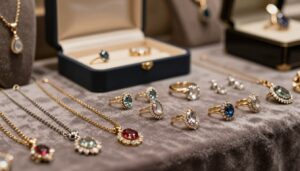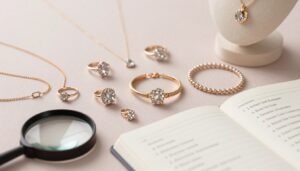

Platinum jewelry is made from one of the most valued precious metals used in fine rings, necklaces, bracelets, earrings, and luxury watches. It is known for its naturally white color, dense feel, strong resistance to tarnish, and long-term durability, which is why many buyers consider it for engagement rings and everyday pieces.
The main question is not only whether platinum looks beautiful, but whether it is worth the higher price compared with gold, white gold, silver, titanium, or other jewelry metals. The answer depends on how often you will wear the piece, your budget, your skin sensitivity, and whether you care more about long-term wear or lower upfront cost.
In simple terms, platinum is usually worth considering when you want a fine jewelry piece that can handle frequent use, hold gemstones securely, and maintain a naturally white appearance without needing rhodium plating. However, it may not be the best option if you want the lowest price, a very lightweight piece, or jewelry mainly for occasional fashion use.
Before buying, it helps to understand what platinum actually is, how purity marks work, why it costs more, and what maintenance is realistic. Many buyers only compare the price tag, but the better comparison is total value over years of use.
This guide explains platinum jewelry from the beginning, including its benefits, limitations, markings, care needs, comparison with white gold, common buying mistakes, and when it makes sense to ask a professional jeweler for help.
Important note: before buying expensive jewelry, confirm the metal purity, return policy, resizing options, gemstone details, and seller reputation. For valuable pieces, ask for clear documentation and avoid sellers that cannot explain the composition of the metal.
What Platinum Jewelry Means in Simple Terms
Platinum jewelry is jewelry made with platinum as the main precious metal. Pure platinum is naturally silvery white, dense, resistant to tarnish, and often used in fine jewelry where strength and long-term appearance matter. Because pure platinum can still be shaped and polished, jewelers commonly use platinum alloys that include small amounts of other metals to improve workability and durability.
One of the most common marks you may see is 950Pt, 950Plat, or simply Platinum, depending on the rules and practices in the market where the piece is sold. A 950 platinum mark usually means the item contains 950 parts per thousand platinum, or 95% platinum. Other marks, such as 900Pt or 850Pt, can also appear, but the exact meaning should be confirmed with the seller.
In practice, platinum jewelry is most often chosen for engagement rings, wedding bands, diamond settings, heirloom pieces, and luxury designs. It is less common in low-cost fashion jewelry because the metal itself is expensive, dense, and more demanding to work with than many cheaper materials.
| Feature | What it means | Why it matters to buyers |
|---|---|---|
| Naturally white color | Platinum has a white metallic appearance without needing a coating to look white. | It can be attractive for diamonds and other light-colored gemstones. |
| High density | Platinum feels heavier than many other jewelry metals of the same size. | Some buyers like the substantial feel, while others may prefer lighter jewelry. |
| Strong metal structure | Platinum can hold stones securely when properly designed and maintained. | This is useful for engagement rings and pieces worn every day. |
| High purity in many pieces | Many platinum jewelry items use a high percentage of platinum. | This can be helpful for people who want a premium precious metal. |
Why Platinum Is Popular for Fine Jewelry
Platinum is popular because it combines beauty, durability, and a premium feel. Unlike white gold, which is usually yellow gold mixed with white metals and often finished with rhodium plating, platinum is naturally white. This matters because the color does not depend on a surface coating to maintain its white look.
Another reason buyers like platinum is its suitability for daily wear. A ring worn every day is exposed to small impacts, friction, soap, lotions, sweat, and repeated contact with hard surfaces. Platinum is not impossible to scratch, but it handles long-term wear in a way many people find appealing. Over time, it can develop a soft surface finish known as patina.
For gemstone settings, platinum is often valued because of its strength and density. A well-made platinum prong setting can be a strong choice for diamonds and other valuable stones. That does not mean it never needs inspection, but it can be a practical option when the jewelry will be worn for many years.
- Choose platinum if you want a naturally white precious metal.
- Consider it for engagement rings, wedding bands, and heirloom pieces.
- Ask about the exact platinum purity mark before buying.
- Check whether resizing will be easy for the specific design.
- Confirm the maintenance policy if the piece includes diamonds or gemstones.
Is Platinum Jewelry Worth It?
Platinum jewelry can be worth it when the piece is important, worn often, and expected to last for many years. The higher price may make sense for an engagement ring, wedding band, anniversary piece, or custom design where durability, appearance, and long-term value matter more than the lowest initial cost.
It may not be worth it for every buyer. If you want a trend-based piece that you will only wear occasionally, sterling silver, stainless steel, titanium, or lower-cost gold jewelry may be more practical. Platinum is best understood as a long-term fine jewelry choice, not a budget fashion option.
The real value depends on the total situation. A plain platinum band may be a smart purchase for someone who wears a ring every day. A large platinum necklace may be beautiful but expensive and heavy. A platinum setting for a diamond may make sense if the stone is valuable, but the workmanship still matters as much as the metal.
| Buyer situation | Is platinum a good fit? | Reason |
|---|---|---|
| Daily engagement ring | Usually yes | It offers durability, a naturally white color, and strong gemstone support. |
| Occasional fashion ring | Not always | The higher cost may not be justified for limited use. |
| Sensitive skin | Often yes | High-purity platinum is commonly chosen by people avoiding lower-quality alloys. |
| Low upfront budget | Usually no | Platinum often costs more than many gold or silver alternatives. |
| Heirloom jewelry | Often yes | It is suitable for pieces intended to last and be maintained over time. |
Platinum Jewelry vs White Gold
Platinum and white gold can look similar at first glance, but they are not the same. Platinum is naturally white, while white gold is an alloy made by mixing gold with other metals to create a whiter appearance. Many white gold pieces are also coated with rhodium to make them look brighter and whiter.
The main advantage of white gold is cost. It is often more affordable at the time of purchase and may feel lighter on the finger. The main advantage of platinum is that it does not rely on rhodium plating for its white tone, and it is usually chosen for long-term daily wear in fine jewelry.
A common mistake is assuming white gold and platinum are equal because they can look similar in a jewelry display. In real use, maintenance, weight, price, and long-term color behavior can be different. Before choosing, ask how often the piece may need polishing, replating, resizing, or stone inspection.
| Comparison point | Platinum | White gold |
|---|---|---|
| Color | Naturally white | White appearance often improved with rhodium plating |
| Weight | Heavier and denser | Lighter in the same size |
| Upfront cost | Usually higher | Usually lower |
| Maintenance | May need polishing and inspection | May need polishing, inspection, and rhodium replating |
| Best use | Long-term fine jewelry and daily rings | Buyers wanting a white look at a lower starting price |
How to Check Platinum Purity Before Buying
Checking purity is one of the most important steps before buying platinum jewelry. Do not rely only on the color of the metal, because many metals can look silver-white. A proper platinum piece should have a clear quality mark, and the seller should be able to explain what that mark means.
Common marks may include Platinum, Plat, Pt, 950Pt, 950Plat, 900Pt, or 850Pt. The number usually refers to parts per thousand of platinum in the alloy. For example, 950Pt generally means 950 parts platinum out of 1,000 parts total metal content. If the mark is confusing, ask for written clarification before paying.
During the process, pay attention to vague descriptions like platinum finish, platinum tone, platinum plated, or platinum over another metal. These terms may describe a coating or appearance rather than solid platinum composition. A coated piece can still be attractive, but it should not be priced or understood like solid platinum jewelry.
-
Look for the metal mark.
Check the inside of a ring, clasp, pendant back, or hidden area for a stamp such as 950Pt, Pt950, Plat, or Platinum. The mark alone is not a complete guarantee, but it is a useful starting point.
-
Ask what the mark means.
A trustworthy seller should explain the platinum percentage and the other metals in the alloy when relevant. Avoid buying if the seller cannot give a clear answer.
-
Request written product details.
For expensive jewelry, ask for a receipt or document that lists the metal, gemstone details, warranty, resizing policy, and return terms. This helps if there is a dispute later.
-
Separate solid platinum from plated jewelry.
Terms like platinum plated or platinum over silver should be treated differently from solid platinum. They may look similar at first, but the long-term value and durability are not the same.
-
Use a professional jeweler for valuable pieces.
If the item is expensive, inherited, vintage, or being purchased secondhand, a jeweler can inspect the piece and may recommend testing methods to verify composition.
Pros and Cons of Platinum Jewelry
The biggest benefit of platinum jewelry is its combination of beauty and long-term strength. It is especially appealing for rings because rings receive more impact and friction than most other jewelry types. A platinum setting can be a strong choice for protecting valuable stones when the craftsmanship is good.
Another advantage is appearance. Platinum has a naturally white tone that pairs well with diamonds and many colored gemstones. It does not need rhodium plating to look white, which can reduce one type of maintenance often associated with white gold.
The disadvantages are also important. Platinum usually costs more, feels heavier, and can show surface marks over time. While many people like the patina that develops, others prefer a high-polish look and may need professional polishing more often.
| Pros | Cons | Practical advice |
|---|---|---|
| Durable for daily wear | Usually more expensive | Best for important pieces, not impulse purchases. |
| Naturally white color | Can feel heavy | Try the piece on before buying if weight matters to you. |
| Good for gemstone settings | Can develop patina | Ask whether you prefer patina or regular polishing. |
| Often suitable for sensitive skin | Repairs can cost more | Confirm repair and resizing options before purchase. |
Care and Maintenance Tips for Platinum Jewelry
Platinum jewelry is durable, but it is not maintenance-free. It can still scratch, collect dirt, loosen around stones, or lose its polished finish with daily use. Good care helps preserve both appearance and structure.
For regular cleaning, mild soap, warm water, and a soft brush are usually enough for simple pieces. Avoid harsh chemicals, abrasive cleaners, and rough polishing cloths unless a jeweler recommends them for that specific item. If the piece has gemstones, cleaning advice may depend on the stone, not only the metal.
In many cases, the most important maintenance step is inspection. Rings with diamonds or other stones should be checked periodically to make sure prongs, channels, or bezels are secure. This is especially important if the ring is worn during work, gym training, travel, or household tasks.
- Clean simple platinum jewelry with mild soap, warm water, and a soft brush.
- Remove rings before heavy lifting, gardening, cleaning, or using strong chemicals.
- Store platinum pieces separately to reduce rubbing against other jewelry.
- Inspect gemstone settings regularly, especially on daily rings.
- Ask a jeweler before polishing vintage, engraved, or delicate platinum pieces.
Common Mistakes When Buying Platinum Jewelry
One common mistake is buying based only on appearance. A piece may look like platinum but actually be white gold, sterling silver, stainless steel, or a plated item. That does not automatically make it bad, but it should be priced and described correctly.
Another mistake is ignoring the design. Platinum is a strong metal, but poor craftsmanship can still cause problems. Thin prongs, weak settings, bad solder work, or an uncomfortable ring profile can reduce the value of the piece, even if the metal is genuine.
Buyers also sometimes forget about resizing. Some platinum rings can be resized, but complex designs, eternity bands, mixed-metal rings, and certain gemstone settings may be more difficult or expensive to adjust. Before buying, especially online, confirm the resizing policy.
| Mistake | Possible consequence | Better approach |
|---|---|---|
| Not checking the stamp | You may misunderstand the metal content. | Look for clear marks and ask for written details. |
| Confusing plated with solid platinum | You may overpay for a coated item. | Confirm whether the piece is solid platinum or plated. |
| Ignoring repair costs | Future maintenance may be more expensive than expected. | Ask about polishing, resizing, and stone tightening. |
| Buying from an unclear seller | Returns, warranty, and authenticity may be harder to prove. | Choose sellers with transparent policies and documentation. |
When to Ask a Professional Jeweler for Help
You should ask a professional jeweler for help when the piece is expensive, inherited, secondhand, damaged, custom-made, or set with valuable stones. A trained jeweler can inspect the setting, evaluate wear, explain repair options, and help identify whether the piece matches its description.
Professional help is also useful when the ring does not fit correctly. Platinum resizing requires proper tools and experience. A poor resizing job can leave visible marks, weaken the structure, or affect nearby gemstones. This is especially important for engagement rings and wedding bands that will be worn for many years.
If you are buying online, professional inspection after delivery can be a smart step while the return window is still open. In real life, many problems are easier to solve before the return period ends than months later, when wear and policy limits may complicate the situation.
- Ask for help if the piece has diamonds or valuable gemstones.
- Use a jeweler for resizing, prong repair, deep polishing, or restoration.
- Get secondhand or vintage platinum inspected before relying on the seller description.
- Confirm whether a repair could affect warranty coverage.
- Keep receipts, certificates, and service records for valuable jewelry.
Conclusion
Platinum jewelry is a premium choice for buyers who want a naturally white, durable, and long-lasting precious metal. It is especially strong as an option for engagement rings, wedding bands, gemstone settings, and meaningful pieces intended for daily wear.
It is worth it when the higher upfront cost matches your priorities: long-term use, fine craftsmanship, secure stone setting, and reduced concern about rhodium replating. It may not be necessary for occasional fashion jewelry or for buyers who prefer a lighter and more affordable metal.
Before buying platinum jewelry, check the purity mark, understand whether the item is solid or plated, compare maintenance costs, and ask a qualified jeweler when the piece is valuable. A careful purchase is more important than simply choosing the most expensive metal.
FAQ
1. What is platinum jewelry made of?
Platinum jewelry is made primarily from platinum, usually mixed with a small amount of other metals to improve strength, shape, and workability. Many fine platinum pieces are marked 950Pt or Pt950, which generally means 95% platinum. Other purity levels can exist, so the exact mark should always be checked before buying. The metal is naturally white, dense, and resistant to tarnish, making it popular for rings and fine jewelry. A reliable seller should be able to explain both the platinum content and any other metals used in the alloy.
2. Is platinum better than white gold?
Platinum is not automatically better for every buyer, but it has advantages over white gold in certain situations. It is naturally white, dense, and commonly chosen for daily-wear fine jewelry. White gold usually costs less at the beginning and can look very similar, but it often uses rhodium plating to maintain a bright white finish. If you want lower upfront cost, white gold may be practical. If you want a naturally white precious metal with strong long-term appeal, platinum may be the better choice.
3. Why is platinum jewelry so expensive?
Platinum jewelry is expensive because platinum is a precious metal, it is dense, and more metal by weight is often needed to make a piece of the same size compared with lighter metals. It can also be more demanding to work with, repair, and polish. The final price depends not only on the metal but also on craftsmanship, brand, design, gemstones, and seller markup. A simple platinum band may be more affordable than a complex platinum diamond ring, even though both use the same general metal category.
4. Does platinum jewelry scratch?
Yes, platinum jewelry can scratch. Durable does not mean scratch-proof. Over time, daily wear can create small surface marks, especially on rings. However, platinum behaves differently from some other metals because the metal is often displaced rather than simply lost. Many platinum pieces develop a soft patina, which some buyers like because it gives the jewelry character. If you prefer a mirror-like shine, a jeweler can usually polish the piece, but frequent polishing should be done carefully and not used as a replacement for proper daily care.
5. Does platinum tarnish like silver?
Platinum is highly resistant to tarnish and does not tarnish in the same way sterling silver commonly does. This is one reason it is valued for fine jewelry. However, platinum can still become dull from dirt, oils, lotions, and surface wear. A platinum ring worn every day may look less shiny over time, but that is usually related to scratches, patina, or buildup rather than traditional tarnishing. Regular gentle cleaning and occasional professional maintenance can help preserve its appearance.
6. Is platinum good for sensitive skin?
High-purity platinum is often considered a good option for people with sensitive skin, especially when compared with lower-quality alloys that may contain irritating metals. However, individual reactions can vary, and the exact alloy matters. If you have a known metal allergy, ask the seller what metals are present in the alloy and consider speaking with a dermatologist for proper testing. Do not assume every white metal is hypoallergenic. Platinum-plated jewelry also needs extra caution because the base metal underneath may be different.
7. What does 950Pt mean on jewelry?
950Pt usually means the jewelry contains 950 parts per thousand platinum, or 95% platinum. The remaining 5% is generally made up of other metals used to improve the alloy. This is a common marking on fine platinum jewelry, but you should still ask the seller to confirm the meaning in writing, especially for expensive pieces. Marks can vary by country, manufacturer, and design. If a piece has no clear mark, that does not always prove it is fake, but it does mean you should be more careful before buying.
8. Is platinum jewelry a good investment?
Platinum jewelry can hold value as a precious metal item, but it should not be treated the same as buying bullion or a financial investment. Jewelry prices include design, labor, retail markup, gemstones, brand value, and taxes, not only metal content. If your main goal is investment, compare options carefully and understand resale value before buying. Platinum jewelry is usually better viewed as a durable luxury item with material value, not as a guaranteed way to make money.
9. Can platinum rings be resized?
Many platinum rings can be resized, but the difficulty depends on the design. Plain platinum bands are usually easier to resize than eternity bands, rings with stones all around, mixed-metal designs, or complex vintage settings. Platinum work often requires specialized skill and proper equipment, so resizing may cost more than with some other metals. Before buying a platinum ring, especially online, confirm the resizing policy and ask whether the specific design has any limits. This is very important for engagement rings and wedding bands.
10. How do I clean platinum jewelry at home?
For simple platinum jewelry, use warm water, mild soap, and a soft brush. Gently clean around settings and rinse well, then dry with a soft cloth. Avoid bleach, harsh chemicals, abrasive powders, and rough tools. If the piece has gemstones, pearls, enamel, or delicate details, cleaning advice may depend on those materials rather than the platinum itself. When in doubt, ask a jeweler before cleaning. For valuable pieces, home cleaning should be combined with periodic professional inspection.
11. Is platinum jewelry too heavy?
Platinum is denser than many other jewelry metals, so a platinum piece can feel heavier than a similar design in gold or silver. Some buyers enjoy this solid, premium feel, especially in wedding bands. Others may find it uncomfortable in large rings, thick bracelets, or heavy necklaces. The best way to decide is to try on a similar piece before buying. Weight is not good or bad by itself; it is a comfort preference that depends on the item, size, and how often you will wear it.
12. Should I buy platinum jewelry online?
You can buy platinum jewelry online, but you should be careful. Choose a seller with clear metal descriptions, real product photos, transparent return policies, secure payment options, and written documentation. Confirm the purity mark, ring size, resizing policy, warranty, gemstone details, and expected delivery conditions before ordering. When the piece arrives, inspect it while the return window is still open. For expensive jewelry, consider taking it to a local jeweler for inspection, especially if the item includes diamonds or is sold as vintage.
Editorial note: this article is educational and does not replace an individual jewelry appraisal, professional inspection, or careful review of seller documentation. For expensive platinum jewelry, confirm the metal mark, alloy details, gemstone information, warranty, and return policy before making a final decision.
Official References
- eCFR — 16 CFR Part 23, Guides for the Jewelry, Precious Metals, and Pewter Industries
- U.S. Geological Survey — Platinum-Group Metals Statistics and Information

Orion Eastwood is a certified jewelry materials specialist with over twelve years of experience in metal testing, gemstone authentication, and consumer advocacy. He began as a quality assurance technician for a jewelry importer in Portland, Oregon, before moving to independent consulting in 2017, where he has tested over 2,000 jewelry samples for plating durability, nickel content, and hypoallergenic compliance.
Orion holds a Graduate Diamonds diploma from the Gemological Institute of America (GIA) and advanced training in precious metal analysis through the Jewelers Vigilance Committee (JVC). At Moda Jewels, he translates technical metallurgical concepts into practical buying and care guidance for everyday consumers.