
Jewelry is one of the oldest and most personal forms of human expression. For beginners, it can seem simple at first: rings, necklaces, bracelets, earrings, and other decorative pieces worn on the body. But once you start looking closer, jewelry also involves materials, craftsmanship, symbolism, style, care, value, and personal meaning.
People wear jewelry for many reasons. Some pieces are chosen for beauty, some mark important life moments, some carry cultural or family meaning, and others are used to complete an outfit. A small chain, a wedding ring, a pair of pearl earrings, or a handmade bracelet can all be jewelry, even if they differ greatly in price, material, and purpose.
This beginner guide explains jewelry from the ground up, without assuming you already know the terms used by jewelers, collectors, or fashion professionals. You will learn what jewelry is, the most common types, the materials used, how to choose a piece, how to care for it, and which mistakes beginners should avoid.
Understanding jewelry also helps you make better buying decisions. Not every shiny piece is valuable, not every expensive piece is practical, and not every popular trend will match your personal style. The goal is not to make jewelry complicated, but to help you recognize what makes a piece suitable, durable, safe, and meaningful.
Whether you are buying your first necklace, choosing a gift, learning about engagement rings, or simply trying to understand basic jewelry terms, this guide will give you a clear and practical starting point.
Important note: before buying valuable jewelry, check the seller’s reputation, ask for clear material information, and avoid sharing personal or payment details on unknown websites. For expensive pieces, it is wise to request documentation, return policies, and professional evaluation when needed.
What Is Jewelry?
Jewelry is any decorative item designed to be worn on the body. It can be made from precious metals, gemstones, natural materials, synthetic materials, or simple everyday materials. Common examples include rings, necklaces, bracelets, earrings, brooches, anklets, pendants, cufflinks, and body jewelry.
Jewelry can be purely decorative, but it often has a deeper purpose. A wedding ring can represent commitment. A family necklace can carry emotional value. A religious pendant can express belief. A luxury watch or fine bracelet can communicate status, taste, or tradition. In many cases, the meaning of a piece matters as much as its material value.
For beginners, the easiest way to understand jewelry is to separate it into three parts: the type of item, the material used, and the purpose of wearing it. A gold ring and a stainless steel ring are both jewelry, but their durability, price, care needs, and symbolic value may be very different.
| Jewelry Element | What It Means | Why It Matters |
|---|---|---|
| Type | The form of the piece, such as ring, necklace, bracelet, or earring. | Helps you choose jewelry based on how and where it will be worn. |
| Material | The substance used, such as gold, silver, platinum, steel, pearl, or gemstone. | Affects price, durability, comfort, care, and appearance. |
| Design | The shape, style, details, and overall look of the piece. | Determines whether the jewelry matches personal style and occasion. |
| Purpose | The reason for wearing or buying the jewelry. | Helps decide whether the piece should be practical, symbolic, formal, or decorative. |
Common Types of Jewelry Beginners Should Know
The world of jewelry includes many categories, but beginners do not need to memorize every term at once. Start with the most common types and understand how each one is usually worn. This makes shopping, styling, and comparing pieces much easier.
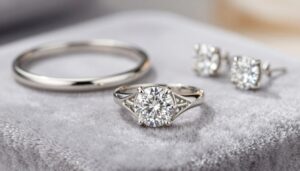
Rings are worn on the fingers and may be decorative, symbolic, or ceremonial. Engagement rings and wedding bands are among the most recognized examples, but fashion rings, signet rings, birthstone rings, and stackable rings are also popular.
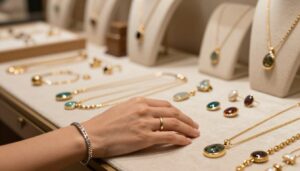
Necklaces are worn around the neck and can range from simple chains to detailed pendants. A pendant necklace has a decorative piece hanging from the chain, while a chain necklace may be worn alone. Length matters because it changes where the necklace sits on the body.
Bracelets are worn around the wrist. They may be flexible, like chain bracelets, or solid, like bangles. Some bracelets are delicate and decorative, while others are designed for daily use. Anklets are similar but worn around the ankle.
Earrings are worn on the ears and come in many styles, including studs, hoops, drops, and dangles. For beginners, studs are often the simplest option because they are easy to wear and usually suitable for many occasions.
Brooches, pins, cufflinks, charms, body jewelry, and watches can also be considered jewelry depending on their design and use. In practice, any wearable decorative piece can fall into the jewelry category if it is made to adorn the body or clothing.
Fine Jewelry, Fashion Jewelry, and Costume Jewelry
One of the first distinctions beginners should learn is the difference between fine jewelry, fashion jewelry, and costume jewelry. These terms help explain why two pieces that look similar may have very different prices and care requirements.
Fine jewelry is usually made from precious metals such as gold, platinum, or sterling silver, often combined with natural gemstones or high-quality diamonds. It is generally more durable, more expensive, and more suitable for long-term ownership.
Fashion jewelry is designed mainly for style and affordability. It may use plated metals, stainless steel, brass, glass, crystals, synthetic stones, resin, or other accessible materials. Some fashion jewelry is well made and can last a long time with proper care, but it is usually not valued like fine jewelry.
Costume jewelry is often used to describe decorative jewelry made for appearance rather than material value. It can be bold, creative, colorful, and affordable. The term is sometimes used interchangeably with fashion jewelry, although costume jewelry often has a more theatrical or statement-focused style.
| Category | Best For | Main Care Point |
|---|---|---|
| Fine Jewelry | Long-term pieces, special gifts, engagement rings, heirlooms, and formal occasions. | Store safely, clean correctly, and inspect settings regularly. |
| Fashion Jewelry | Daily outfits, trends, affordable styling, and experimenting with new looks. | Avoid water, sweat, perfume, and harsh cleaning products. |
| Costume Jewelry | Bold looks, events, statement pieces, creative styling, and occasional wear. | Protect plating, stones, glue, and decorative finishes from damage. |
Main Materials Used in Jewelry
Jewelry materials affect how a piece looks, feels, lasts, and costs. A beginner does not need to know every technical detail, but it is helpful to understand the basic materials before buying.
Gold is one of the most traditional jewelry metals. Pure gold is soft, so it is usually mixed with other metals to make it stronger. This is why gold jewelry is described in karats, such as 10K, 14K, 18K, or 24K. Higher karat gold contains more pure gold, but it may also be softer.
Sterling silver is another common jewelry metal. It is usually more affordable than gold and has a bright, classic look. Silver can tarnish over time, which means it may darken when exposed to air, moisture, or chemicals. Regular gentle cleaning helps maintain its shine.
Platinum is a strong, dense, and naturally white precious metal. It is often used in engagement rings and high-end jewelry. It usually costs more than silver and many types of gold jewelry, but it is valued for durability and a premium feel.
Stainless steel, titanium, tungsten, brass, copper, and plated metals are also used in jewelry. These materials can be practical and stylish, but each has different characteristics. For example, stainless steel is durable and affordable, while brass may change color or react with skin depending on the finish and the person wearing it.
Gemstones can be natural, lab-created, or imitation. Natural gemstones form in the earth. Lab-created stones have the same or similar composition as natural stones but are made in controlled environments. Imitation stones look like gemstones but are made from different materials, such as glass or plastic.
How to Choose Jewelry as a Beginner
Choosing jewelry becomes easier when you focus on purpose first. Before thinking about price or trend, ask where the piece will be worn, how often it will be used, and whether it needs to be durable, symbolic, formal, or simply decorative.
For daily use, comfort and durability matter more than dramatic design. A piece worn every day should not scratch easily, catch on clothing, irritate the skin, or require constant polishing. Simple rings, small earrings, plain chains, and sturdy bracelets are often good beginner choices.
For special occasions, design may matter more than practicality. A bold necklace, decorative earrings, or a statement ring can work well for events, photos, dinners, or formal outfits, even if the piece is not ideal for daily wear.
For gifts, personal style is more important than your own taste. Many people make the mistake of buying jewelry they personally like instead of thinking about what the recipient actually wears. Look at the colors, metals, and styles the person already uses.
-
Define the purpose.
Decide whether the jewelry is for daily wear, a formal event, a gift, a symbolic moment, or a fashion experiment. This prevents you from choosing a piece that looks good but does not fit the real need.
-
Choose a suitable material.
For long-term use, consider durable materials such as gold, platinum, sterling silver, stainless steel, or titanium. For occasional styling, plated or fashion jewelry may be enough, but it needs more careful handling.
-
Check size and comfort.
Rings, bracelets, necklaces, and earrings should fit properly. A ring that is too tight, earrings that are too heavy, or a chain that sits awkwardly can make even a beautiful piece uncomfortable.
-
Review the seller’s information.
Look for clear material descriptions, photos, return policies, and customer support. Avoid listings that use vague words like “gold color” without explaining whether the item is solid gold, gold plated, or simply gold toned.
-
Think about maintenance.
Some pieces require more care than others. If you do not want regular polishing, delicate storage, or professional cleaning, choose jewelry that matches your routine.
Beginner Checklist Before Buying Jewelry
A practical checklist can prevent common mistakes, especially when buying jewelry online or choosing a piece as a gift. Beginners often focus only on appearance and forget important details like metal type, size, return options, and skin sensitivity.
In many cases, a piece that looks beautiful in photos may not be the best choice for everyday use. The listing may not clearly explain the material, the size may be wrong, or the finish may wear off quickly if exposed to water and perfume.
- Confirm whether the jewelry is fine, fashion, plated, or costume jewelry.
- Check the exact material, not only the color or style name.
- Look for measurements such as chain length, ring size, bracelet length, and earring weight.
- Read care instructions before buying.
- Review the return policy, especially for rings and personalized items.
- Check whether the piece may cause skin irritation if you have metal sensitivity.
- Compare similar pieces before deciding.
- Be careful with prices that seem unrealistically low for precious metals or gemstones.
This checklist is especially useful for first-time buyers. It helps you slow down and evaluate the piece as something you will actually wear, not just something that looks attractive in a product photo.
How to Wear and Style Jewelry
Styling jewelry is not about following strict rules. It is about balance, comfort, and personal expression. A beginner can start with simple pieces and gradually add variety as confidence grows.
One easy approach is to choose one main focus. If you are wearing large earrings, you may prefer a simpler necklace. If your necklace is bold, smaller earrings may create a cleaner look. This is not mandatory, but it often helps avoid a crowded appearance.
Matching metals is another beginner-friendly method. Wearing only silver-tone pieces or only gold-tone pieces can make an outfit look more organized. However, mixing metals can also look stylish when done intentionally. A watch, ring, or layered necklace can help connect different tones.
Layering is popular with necklaces, bracelets, and rings. The key is to vary lengths, thicknesses, or textures. For example, a short chain with a slightly longer pendant can look more natural than two necklaces of the same length competing for the same space.
For professional settings, simple jewelry often works best. Small hoops, studs, a classic watch, a delicate chain, or a clean bracelet can add polish without becoming distracting. For creative or casual environments, there is usually more freedom to use color, size, and statement designs.
How to Care for Jewelry Properly
Good care helps jewelry last longer, even when the piece is not expensive. Many beginners damage jewelry by wearing it in water, sleeping with it, applying perfume directly over it, or storing many pieces together where they can scratch or tangle.
As a general rule, remove jewelry before swimming, bathing, cleaning, exercising, or using strong chemicals. Chlorine, salt water, sweat, lotions, and cleaning products can damage metals, stones, plating, pearls, and glue used in decorative pieces.
Storage also matters. Keep pieces separated when possible. Soft pouches, lined boxes, small compartments, or individual bags can reduce scratches and tangling. Necklaces are especially easy to knot when stored carelessly.
Cleaning should match the material. Some jewelry can be cleaned with mild soap and warm water, while delicate pieces, pearls, certain gemstones, antique jewelry, and glued stones may need special care. When unsure, avoid harsh products and ask a professional jeweler.
- Remove jewelry before swimming, showering, exercising, or cleaning.
- Apply perfume, lotion, and hair products before putting jewelry on.
- Store pieces separately to prevent scratches and tangles.
- Use a soft cloth for gentle cleaning after wear.
- Avoid abrasive cleaners unless the material is confirmed safe for that method.
- Check clasps, prongs, and settings regularly on valuable pieces.
- Take fine jewelry to a professional if a stone feels loose or a clasp becomes weak.
Common Jewelry Mistakes Beginners Should Avoid
A common beginner mistake is assuming that color equals material. A gold-colored necklace is not necessarily gold. A silver-colored ring is not necessarily sterling silver. Product descriptions should clearly state whether the piece is solid, plated, filled, vermeil, stainless steel, sterling silver, or another material.
Another mistake is ignoring lifestyle. Delicate rings may not be ideal for someone who works with their hands every day. Heavy earrings may not be comfortable for long events. A very thin chain may break easily if worn during sleep or exercise.
Beginners may also spend too much on a trend before knowing their own style. Trends can be fun, but it is safer to start with versatile pieces before investing heavily in bold designs. A simple chain, classic studs, or a clean bracelet can be worn in more situations.
| Common Mistake | Possible Problem | Better Approach |
|---|---|---|
| Buying based only on photos | The size, weight, or material may be different from what you expected. | Read measurements, material details, and return rules before buying. |
| Ignoring skin sensitivity | The jewelry may cause discomfort, redness, or irritation. | Choose suitable materials and avoid unknown metal blends if you react easily. |
| Wearing plated jewelry in water | The finish may fade, peel, or change color faster. | Remove it before showering, swimming, or exercising. |
| Assuming expensive means practical | A costly piece may still be delicate or hard to maintain. | Match the piece to your lifestyle, not only to its price. |
| Skipping professional inspection | Loose stones, weak prongs, or damaged clasps may get worse. | Have valuable jewelry checked when you notice movement, weakness, or damage. |
When to Ask a Jeweler or Professional for Help
Professional help is useful when jewelry has financial, emotional, or long-term value. A jeweler can help with sizing, repairs, stone security, cleaning, appraisals, metal identification, and care advice. This is especially important for engagement rings, inherited pieces, antique jewelry, luxury items, and pieces with gemstones.
You should also ask for help if a ring no longer fits comfortably, a clasp feels weak, a stone moves, a chain breaks, or a piece changes color in a way you do not understand. Trying to repair fine jewelry at home can make the damage worse.
For expensive purchases, professional guidance can help you understand quality, documentation, and realistic value. This does not mean every piece needs an appraisal, but important purchases should come with clear information and trustworthy support.
If you are buying jewelry with diamonds or gemstones, ask about the stone type, treatment, origin when relevant, and whether documentation is available. For lab-created stones, the seller should clearly identify them as such. Transparency is a good sign of a responsible seller.
Beginner-Friendly Jewelry Pieces to Start With
If you are new to jewelry, start with versatile pieces that match many outfits and occasions. This helps you learn what you actually enjoy wearing before spending more money on unique or delicate designs.
A simple chain is one of the easiest starting points. It can be worn alone or with a pendant. Stud earrings are another practical choice because they are comfortable, subtle, and suitable for casual or formal settings. A classic bracelet or watch can also add style without requiring much effort.
For rings, begin with a comfortable band or a simple design that does not interfere with daily activities. Large stones and raised settings can be beautiful, but they may catch on fabric or feel less practical for everyday wear.
If you enjoy color, try one gemstone or crystal piece first instead of buying many at once. This helps you see whether colorful jewelry fits your wardrobe and personal taste. In practice, beginners often discover that a few well-chosen pieces are more useful than a large collection of items they rarely wear.
Conclusion
Jewelry is more than decoration. It includes personal style, materials, craftsmanship, comfort, care, symbolism, and practical use. Once you understand the basics, choosing a ring, necklace, bracelet, or pair of earrings becomes much easier and less confusing.
The best beginner approach is to start simple, check materials carefully, match each piece to your lifestyle, and avoid buying only because something looks attractive in a photo. A clear understanding of jewelry helps you make safer, more confident, and more useful choices.
If a piece is expensive, sentimental, damaged, or difficult to identify, ask a qualified jeweler for help. Professional guidance can prevent costly mistakes and protect pieces that matter to you over time.
FAQ
1. What is jewelry in simple words?
Jewelry is a decorative item made to be worn on the body or attached to clothing. It includes pieces such as rings, necklaces, bracelets, earrings, brooches, pendants, anklets, and cufflinks. Some jewelry is made from precious metals and gemstones, while other pieces use affordable materials like stainless steel, glass, resin, fabric, or plated metals. Jewelry can be worn for beauty, tradition, symbolism, status, fashion, personal expression, or emotional meaning. A piece does not need to be expensive to be considered jewelry.
2. What is the difference between jewelry and accessories?
Jewelry is a type of accessory, but not all accessories are jewelry. Accessories include many items used to complete a look, such as bags, belts, scarves, hats, sunglasses, watches, and hair pieces. Jewelry specifically refers to decorative wearable items such as rings, necklaces, bracelets, earrings, and brooches. A watch can sometimes be considered both an accessory and jewelry if it has decorative or luxury value. The main difference is that jewelry is usually smaller, worn directly on the body, and often made with metals, stones, or decorative materials.
3. Is a watch considered jewelry?
A watch can be considered jewelry depending on its design, material, and purpose. A simple sports watch is usually treated more as a practical accessory, while a luxury watch, gold watch, diamond watch, or decorative dress watch may be considered jewelry. Many people wear watches not only to tell time but also to express style, status, or personal taste. In formal fashion, a watch often functions like a bracelet because it adds visual detail to the wrist. So, while not every watch is jewelry, many watches can belong in the jewelry category.
4. What are the most common types of jewelry?
The most common types of jewelry are rings, necklaces, bracelets, earrings, pendants, brooches, anklets, and charms. Rings are worn on fingers and may be symbolic or decorative. Necklaces and pendants are worn around the neck. Bracelets are worn on the wrist, while anklets are worn around the ankle. Earrings are worn on the ears and can be small, large, simple, or dramatic. Brooches and pins are attached to clothing. Charms are small decorative pieces often added to bracelets or necklaces for personal meaning.
5. What is fine jewelry?
Fine jewelry usually refers to jewelry made from precious metals such as gold, platinum, or sterling silver, often combined with diamonds, pearls, or gemstones. It is generally more durable and valuable than fashion or costume jewelry. Fine jewelry is commonly used for engagement rings, wedding bands, heirlooms, anniversary gifts, and long-term pieces. However, fine jewelry still requires care. Precious metals can scratch, stones can loosen, and delicate settings may need inspection. When buying fine jewelry, ask for clear material details and documentation when appropriate.
6. What is fashion jewelry?
Fashion jewelry is jewelry made mainly for style, variety, and affordability. It may use plated metals, stainless steel, brass, glass, crystals, synthetic stones, resin, or other decorative materials. Fashion jewelry allows people to follow trends, experiment with colors, and change their look without spending as much as they would on fine jewelry. Some fashion jewelry is high quality, but it usually needs more careful handling than fine jewelry. Water, sweat, perfume, and harsh products can damage finishes, plating, or decorative details.
7. What is costume jewelry?
Costume jewelry is decorative jewelry made primarily for appearance rather than precious material value. It is often bold, colorful, creative, and affordable. The term became popular because these pieces were commonly used to match outfits or costumes, but today costume jewelry can also be worn in everyday fashion. It may include imitation stones, plated metals, glass, enamel, plastic, or crystals. Costume jewelry can be beautiful and stylish, but it usually requires gentle care because finishes, glue, stones, and coatings may be more delicate than those used in fine jewelry.
8. How do I know if jewelry is real gold or just gold colored?
Gold-colored jewelry is not always real gold. To understand what you are buying, check the product description, markings, and seller information. Real gold jewelry is often marked with karat numbers such as 10K, 14K, 18K, or 24K, depending on the gold content. Gold-plated jewelry has only a thin layer of gold over another metal. Gold-filled or gold vermeil pieces have different construction standards. If the piece is valuable or unclear, ask a professional jeweler to test it instead of relying only on color or appearance.
9. What jewelry is best for everyday wear?
The best jewelry for everyday wear is comfortable, durable, and easy to match with your usual clothing. Simple studs, small hoops, plain chains, classic bracelets, watches, and smooth rings are often good choices. Materials such as gold, platinum, sterling silver, stainless steel, and titanium can work well depending on your budget and skin sensitivity. Avoid very delicate pieces if you sleep, exercise, or work with your hands while wearing jewelry. Everyday jewelry should feel natural, not distracting or difficult to maintain.
10. Can jewelry cause skin irritation?
Yes, jewelry can cause skin irritation in some people, especially when it contains metals that the skin reacts to. Nickel is a common cause of sensitivity, but reactions can vary from person to person. Symptoms may include redness, itching, discomfort, or dark marks on the skin. If this happens, remove the piece and avoid wearing unknown metal blends. People with sensitive skin often prefer materials such as high-quality gold, titanium, stainless steel, platinum, or clearly labeled hypoallergenic options. For persistent irritation, it is best to seek medical advice.
11. How should I clean jewelry at home?
Cleaning depends on the material. Some jewelry can be gently cleaned with mild soap, warm water, and a soft cloth. However, pearls, certain gemstones, antique pieces, glued stones, plated jewelry, and delicate finishes may need special care. Avoid bleach, abrasive powders, toothpaste, and harsh chemicals unless a professional confirms they are safe for that exact material. After cleaning, dry the piece carefully before storing it. If the jewelry is valuable, fragile, or has loose stones, professional cleaning is safer than experimenting at home.
12. Should I buy jewelry online or in a physical store?
Both options can work, but each has advantages. Online shopping offers variety, price comparison, and convenience. Physical stores let you see the piece, test comfort, compare size, and ask questions in person. If buying online, check measurements, materials, photos, reviews, return policies, and seller reputation. Avoid vague listings and unrealistic claims. If buying expensive jewelry, a physical store or trusted professional seller may offer more confidence, especially when documentation, sizing, repair service, or after-sale support is important.
13. Why does some jewelry change color?
Jewelry may change color because of tarnish, plating wear, exposure to chemicals, moisture, sweat, perfume, lotions, or the natural reaction of certain metals. Sterling silver can darken over time due to tarnish. Plated jewelry may fade when the outer layer wears away. Brass and copper can develop color changes and may leave marks on the skin. Color change does not always mean the jewelry is bad, but it does mean the material needs proper care. Store pieces dry and avoid wearing delicate jewelry in water.
14. How much jewelry should a beginner own?
A beginner does not need a large jewelry collection. A few versatile pieces are usually enough to start. Good basics may include one simple necklace, one pair of everyday earrings, one bracelet or watch, and one or two rings that match your style. From there, you can add pieces slowly based on what you actually wear. Buying too much too quickly often leads to unused jewelry. It is better to learn your preferred metals, colors, sizes, and comfort level before investing in more expensive or statement pieces.
Editorial note: This guide is for educational purposes and is designed to help beginners understand jewelry basics. For expensive, antique, inherited, or gemstone jewelry, consult a qualified jeweler before making major buying, repair, or valuation decisions.

Orion Eastwood is a certified jewelry materials specialist with over twelve years of experience in metal testing, gemstone authentication, and consumer advocacy. He began as a quality assurance technician for a jewelry importer in Portland, Oregon, before moving to independent consulting in 2017, where he has tested over 2,000 jewelry samples for plating durability, nickel content, and hypoallergenic compliance.
Orion holds a Graduate Diamonds diploma from the Gemological Institute of America (GIA) and advanced training in precious metal analysis through the Jewelers Vigilance Committee (JVC). At Moda Jewels, he translates technical metallurgical concepts into practical buying and care guidance for everyday consumers.