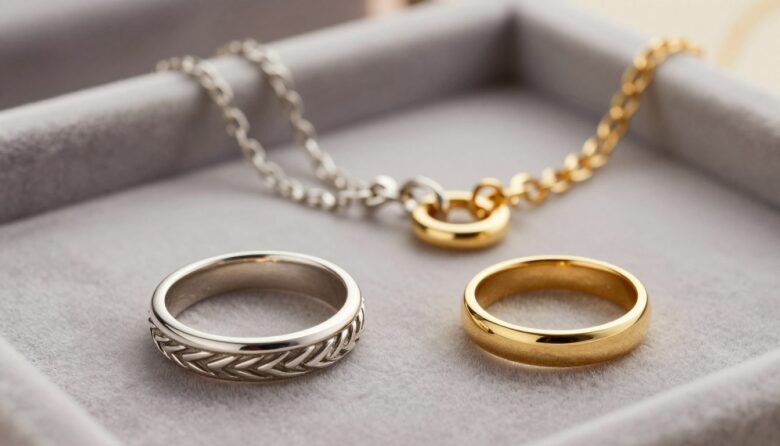
Silver vs gold jewelry is a common choice for anyone buying a ring, necklace, bracelet, earrings, or a meaningful gift. Both metals can look beautiful, both can last when properly cared for, and both can fit different styles. The better option depends on your budget, skin sensitivity, lifestyle, maintenance habits, and the type of piece you want to wear.
The main difference is simple: gold usually offers higher long-term value, more color options, and better resistance to tarnish, while silver is usually more affordable, lighter in appearance, and easier to match with casual everyday outfits. That does not automatically make one better than the other.
In practice, the right choice often becomes clear when you think about how often you will wear the jewelry. A piece worn every day needs to handle sweat, water exposure, friction, storage mistakes, and cleaning. A piece worn only for special occasions can be chosen more for appearance and personal taste.
This guide explains the real differences between silver and gold jewelry in a simple way. You will see how they compare in durability, price, maintenance, skin comfort, style, resale value, and practical use.
Before buying, it is also important to understand terms such as sterling silver, gold plated, gold filled, vermeil, 14K gold, and 18K gold. These labels can change the quality, price, and durability of the piece more than the color alone.
Important note: jewelry quality can vary widely depending on metal content, plating thickness, gemstones, brand, and seller transparency. Before spending a significant amount of money, check the metal stamp, ask for written product details, and buy from a trusted jeweler or verified store.
The Main Difference Between Silver and Gold Jewelry
Gold jewelry is usually chosen for durability, prestige, warm color, and long-term value. Pure gold is naturally soft, so jewelry is normally made with gold alloys such as 10K, 14K, 18K, or 22K. The karat number tells you how much gold is in the alloy. For example, 18K gold contains more gold than 14K gold, but 14K gold is often harder and more practical for daily wear.
Silver jewelry is most commonly sold as sterling silver, which usually means the piece contains 92.5% silver mixed with other metals for strength. Sterling silver is beautiful and more accessible in price, but it can tarnish over time. Tarnish does not mean the piece is fake; it is a normal surface reaction that can often be cleaned.
The easiest way to compare them is this: gold is usually better if you want a durable, valuable, lower-maintenance piece for frequent use, while silver is usually better if you want a stylish, affordable, bright-toned piece and do not mind occasional cleaning.
| Feature | Silver Jewelry | Gold Jewelry |
|---|---|---|
| Typical price | More affordable | Usually more expensive |
| Common form | Sterling silver, often marked 925 | 10K, 14K, 18K, 22K, or plated forms |
| Maintenance | Needs polishing when tarnished | Usually easier to maintain |
| Everyday durability | Good, but can scratch and tarnish | Very good, especially 14K gold |
| Style | Cool, bright, modern look | Warm, classic, luxury look |
| Long-term value | Lower resale value in most cases | Generally stronger resale value |
Silver vs Gold Jewelry for Everyday Wear
For everyday wear, durability matters more than appearance alone. Rings, bracelets, and chains touch surfaces often, so they face more friction than earrings or pendants. If you work with your hands, exercise frequently, use lotions, or wash your hands many times a day, the metal choice becomes more important.
Gold, especially 14K gold, is often a practical choice for daily jewelry because it balances gold content with strength. It is less likely to tarnish than silver and usually keeps its appearance with simple care. However, very high-karat gold can be softer, which may not be ideal for rings worn every day.
Silver can also be worn daily, but it requires more attention. Sterling silver may darken if exposed to moisture, perfumes, sweat, or air for long periods. A common mistake is storing silver pieces in the bathroom, where humidity can speed up tarnishing.
- Choose stronger settings for rings and bracelets that will be worn daily.
- Remove jewelry before cleaning, swimming, exercising, or using harsh products.
- Store silver in a dry place to reduce tarnish.
- Check clasps, stones, and prongs regularly if the piece is worn often.
- Avoid choosing only by color if the jewelry will face heavy daily use.
Price, Value, and Budget: Which One Makes More Sense?
Silver is usually the better choice when budget is the main concern. It allows you to buy larger, more detailed, or trend-focused pieces without paying the higher price of solid gold. This makes silver a good option for fashion jewelry, gifts, and pieces you may not wear forever.
Gold is usually better when you want long-term value. Solid gold jewelry costs more because gold itself is more valuable and widely recognized. If properly cared for, a gold piece can last for decades and may be repaired, resized, polished, or passed down more easily than low-quality plated jewelry.
However, not every gold-colored piece has strong value. Gold plated jewelry, for example, has only a thin layer of gold over another metal. It may look attractive at first, but the surface can wear away with time. Before paying a higher price, confirm whether the piece is solid gold, gold filled, vermeil, or simply gold plated.
| Jewelry Type | Best For | Important Care |
|---|---|---|
| Sterling silver | Affordable everyday or occasional pieces | Needs dry storage and occasional polishing |
| Solid gold | Long-term use, gifts, heirloom pieces | Check karat and avoid harsh chemicals |
| Gold plated | Trendy low-cost pieces | Avoid water, sweat, and friction |
| Gold filled | Better durability than basic plating | Still needs gentle use and careful storage |
| Vermeil | Gold look over sterling silver base | Confirm thickness and avoid abrasive cleaning |
Skin Tone, Personal Style, and Outfit Matching
Style is personal, but silver and gold create different visual effects. Silver has a cool, clean appearance that often works well with minimalist outfits, black clothing, white clothing, denim, and modern designs. It can look discreet, fresh, and easy to combine.
Gold has a warmer and more classic appearance. Yellow gold can make jewelry stand out more, especially in rings, necklaces, and earrings. Rose gold gives a softer look, while white gold offers a bright tone that can resemble silver or platinum but with the value and structure of gold jewelry.
One practical way to choose is to look at the jewelry you already wear most often. If your watch, glasses, handbag details, belt buckle, or favorite accessories are mostly silver-toned, silver may fit naturally. If your accessories are warmer, gold may feel more consistent.
- Choose silver if you prefer a cool, modern, subtle look.
- Choose yellow gold if you like warm, classic, noticeable jewelry.
- Choose rose gold if you want a softer and slightly romantic tone.
- Choose white gold if you want a bright look with more gold value than silver.
- Try the piece near your face before buying earrings or necklaces.
Durability, Scratches, and Maintenance
Durability depends on the exact alloy, design, thickness, and how the jewelry is worn. A delicate 18K gold chain may be less practical than a solid sterling silver bracelet, even though gold is usually considered more valuable. The design matters as much as the metal.
Silver can scratch, bend, and tarnish. Tarnish is one of the main maintenance differences between silver and gold jewelry. If you enjoy a bright mirror finish, you may need to clean silver more often. Some people like the darker patina that develops in detailed silver pieces, especially vintage or handmade styles.
Gold does not usually tarnish like silver, but it can still scratch, lose shine, or collect dirt. White gold may also be rhodium plated, which gives it a very bright white finish. Over time, that plating can wear and may need professional re-plating if you want the same bright appearance.
-
Check the metal mark before buying.
Look for marks such as 925 for sterling silver or karat marks such as 10K, 14K, or 18K for gold. A mark alone is not a full guarantee, but it is an important first step.
-
Ask what the piece is made of.
Do not rely only on color. A gold-colored piece may be solid gold, gold filled, gold plated, or another base metal with a coating.
-
Match the metal to the use.
Choose sturdier metals and thicker designs for rings and bracelets. Delicate designs are better for occasional wear.
-
Review the return and repair policy.
This matters especially for expensive jewelry, rings that may need resizing, and pieces with stones or delicate clasps.
-
Store the piece correctly from the beginning.
Keep jewelry dry, separated, and away from perfumes, lotions, and household chemicals. Good storage can prevent many common problems.
Silver vs Gold Jewelry for Sensitive Skin
Sensitive skin is one of the most important reasons to look beyond appearance. Some people react not to silver or gold itself, but to other metals used in the alloy or plating. Nickel is a common concern in lower-quality jewelry and some plated pieces.
Sterling silver can be comfortable for many people, but the alloy contains other metals. Gold can also be comfortable, especially higher-quality pieces, but lower-karat gold contains more non-gold metal than higher-karat gold. This does not mean higher karat is always better for durability, but it may matter for skin comfort.
If you have known metal sensitivity, ask the seller whether the piece is nickel-free and what metals are used in the alloy. For earrings, especially new piercings or sensitive ears, it is safer to choose high-quality metals from trusted sellers instead of unknown plated jewelry.
| Concern | What It May Mean | Safer Next Step |
|---|---|---|
| Green marks on skin | Reaction between skin, moisture, and metal alloys | Keep jewelry dry and check metal quality |
| Itching or redness | Possible metal sensitivity or irritation | Stop wearing the piece and try hypoallergenic options |
| Plating wears off | Base metal may touch the skin | Choose solid metal or better-quality construction |
| Earrings irritate ears | Posts may contain irritating metals | Use trusted nickel-free or high-quality gold options |
Common Mistakes When Choosing Between Silver and Gold
A common mistake is choosing only by color. A silver-colored ring may be sterling silver, stainless steel, white gold, platinum, or plated base metal. A gold-colored necklace may not be solid gold. The label matters because it affects durability, value, care, and price.
Another mistake is buying very delicate jewelry for heavy daily use. Thin chains, soft rings, hollow pieces, and low-quality plating may not handle frequent friction well. If the piece is meant for daily wear, construction should be a priority.
Many buyers also forget maintenance. Silver needs more polishing and dry storage. White gold may need rhodium re-plating. Plated jewelry needs gentle use. Solid gold still needs cleaning and occasional inspection, especially if it has stones.
| Mistake | Possible Result | Better Choice |
|---|---|---|
| Buying only by color | You may overpay for plated jewelry | Confirm the exact metal type |
| Ignoring lifestyle | The piece may scratch, bend, or wear quickly | Match durability to daily use |
| Storing silver in humid places | Faster tarnishing | Store in a dry pouch or box |
| Assuming higher karat is always better | The piece may be softer than expected | Balance purity with durability |
| Not checking return policies | Problems may be harder to fix | Buy from sellers with clear policies |
When Silver Is the Better Choice
Silver is often the better choice when you want beauty, flexibility, and affordability. It is especially useful for trend-based pieces, large designs, casual jewelry, and styles you may want to change over time. Because it is usually less expensive than gold, you can own more pieces without spending as much.
Silver also works well if you prefer a cool-toned look. It pairs easily with neutral clothing, streetwear, minimalist outfits, and many gemstones. For people who like understated jewelry, silver can feel elegant without being too formal.
Choose silver when you are comfortable with maintenance. If you do not mind polishing occasionally and storing pieces carefully, sterling silver can be a practical and attractive option. Before buying, confirm whether the piece is solid sterling silver or simply silver plated.
When Gold Is the Better Choice
Gold is usually the better choice for jewelry you want to wear for many years. Engagement rings, wedding bands, heirloom necklaces, fine bracelets, and meaningful gifts are common examples. Gold’s long-term value and durability make it appealing for important pieces.
Gold also makes sense if you want lower maintenance. It can still scratch and collect dirt, but it does not tarnish like sterling silver. This is helpful if you want jewelry that stays visually consistent with less frequent polishing.
For everyday wear, 14K gold is often a practical middle ground because it is stronger than higher-karat gold while still offering real gold content. For special pieces, 18K gold may be attractive because of its richer color and higher gold content, though it may require more care depending on the design.
When to Upgrade, Switch, or Ask a Professional
You may want to switch from silver to gold when a piece becomes part of your daily routine. For example, if you wear the same silver ring every day and constantly need to polish it, a solid gold version may be more practical in the long run.
You may want to switch from gold to silver when you are experimenting with style, buying larger statement pieces, or working with a limited budget. Silver can give you more design freedom without the higher price of solid gold.
Ask a professional jeweler for help if the piece is expensive, has gemstones, causes skin irritation, needs resizing, has worn plating, or appears damaged. Professional inspection is also useful before buying secondhand jewelry, inherited pieces, or items sold as solid gold without clear documentation.
- Ask for professional help before resizing rings with stones.
- Have valuable pieces inspected before repair or polishing.
- Confirm metal content before buying secondhand jewelry.
- Stop wearing jewelry that causes irritation, redness, or swelling.
- Use a trusted jeweler for white gold re-plating or stone tightening.
Conclusion
Silver vs gold jewelry is not about one metal being perfect for everyone. Silver is usually better for affordability, cool-toned style, casual outfits, and flexible collections. Gold is usually better for long-term value, frequent wear, meaningful pieces, and lower maintenance.
The safest decision is to match the metal to your lifestyle. Choose silver if you want stylish pieces at a more accessible price and can handle occasional cleaning. Choose gold if you want a stronger long-term piece and are willing to invest more upfront.
Before buying, check the metal type, ask about plating or alloy content, and consider professional guidance for expensive or sentimental jewelry. A good choice should feel beautiful, practical, comfortable, and realistic for how you actually live.
FAQ
1. Is silver or gold jewelry better for everyday use?
Gold is usually better for everyday use if you want lower maintenance and stronger long-term durability, especially in 14K gold. Silver can also be worn daily, but it may tarnish and need more polishing. The best choice depends on the type of piece. Rings and bracelets face more friction, so gold may be more practical. Earrings and pendants usually face less wear, so sterling silver can work very well if stored and cleaned properly.
2. Is sterling silver real silver?
Yes, sterling silver is real silver, but it is not pure silver. It is usually made with 92.5% silver and 7.5% other metals to improve strength. Pure silver is too soft for many jewelry designs, so sterling silver is more practical. You may see a 925 stamp on sterling silver pieces. However, stamps can vary, and a mark alone does not replace buying from a trusted seller, especially when the piece is expensive.
3. Does gold jewelry tarnish like silver?
Gold does not usually tarnish in the same way sterling silver does. However, gold jewelry can still lose shine, collect dirt, scratch, or react depending on the alloy and how it is worn. Lower-karat gold contains more other metals, which may affect appearance over time. White gold may also have rhodium plating that can wear down. Regular gentle cleaning and occasional professional inspection help keep gold jewelry looking better for longer.
4. Why does silver jewelry turn black?
Silver jewelry can turn black because of tarnish, which happens when silver reacts with substances in the air, moisture, sweat, perfumes, lotions, or chemicals. This is common and does not automatically mean the jewelry is fake. Sterling silver can usually be cleaned with proper polishing methods. To reduce tarnish, store silver in a dry place, keep pieces separated, and avoid wearing them during swimming, cleaning, or heavy sweating.
5. Is gold plated jewelry the same as solid gold?
No, gold plated jewelry is not the same as solid gold. Gold plated pieces have a thin layer of gold over another metal. Solid gold jewelry is made from a gold alloy throughout the piece, such as 10K, 14K, or 18K gold. Gold plated jewelry is usually more affordable, but the plating can wear away with time. If you want long-term durability and value, solid gold is usually the stronger choice.
6. Which is better for sensitive skin, silver or gold?
It depends on the alloy and the person’s sensitivity. Some people can wear sterling silver comfortably, while others may react to metals mixed into the alloy. Gold can be a good option, but lower-karat gold also contains other metals. If you have sensitive skin, ask whether the jewelry is nickel-free and avoid unknown plated pieces. For earrings, especially, choose high-quality materials from trusted sellers and stop wearing any piece that causes irritation.
7. Is 14K or 18K gold better?
14K gold is often better for everyday wear because it is usually harder and more resistant to daily friction than 18K gold. 18K gold has a higher gold content and a richer color, but it can be softer depending on the piece. For rings, bracelets, and daily chains, 14K is often practical. For special jewelry, luxury pieces, or items worn less often, 18K can be a beautiful choice.
8. Is silver jewelry a good investment?
Silver jewelry can hold some material value, but it is usually not bought as an investment in the same way people may view gold jewelry. The resale value of silver pieces often depends on weight, craftsmanship, brand, condition, and market demand. Many silver pieces are better viewed as style purchases rather than investment assets. If investment value matters, solid gold usually has stronger long-term recognition and resale potential.
9. Can I wear silver and gold jewelry together?
Yes, you can wear silver and gold jewelry together. Mixed metals are common and can look stylish when done intentionally. A simple way to make the combination work is to repeat both tones in more than one piece. For example, wear a gold necklace with silver earrings and a two-tone watch or ring. The goal is balance. If only one piece looks different, it may seem accidental, but repeated tones look more planned.
10. Which metal is better for engagement rings?
Gold is usually more popular for engagement rings because it offers durability, repair options, and long-term value. 14K and 18K gold are common choices, depending on budget and preference. Silver is more affordable, but it may not be ideal for a ring worn every day for many years because it can tarnish and scratch more easily. If budget is limited, compare gold options carefully before choosing silver for a daily engagement ring.
11. How can I tell if jewelry is good quality?
Start by checking the metal mark, product description, seller reputation, return policy, and construction. Good-quality jewelry should clearly state whether it is sterling silver, solid gold, gold filled, vermeil, or plated. Look at clasps, stone settings, chain thickness, and finish. Avoid vague descriptions such as “gold tone” if you expect real gold. For expensive pieces, ask for written details or have the item checked by a professional jeweler.
12. Which should I choose if I am buying a gift?
For a gift, choose based on the person’s style and how often they will wear it. Silver is a good choice for affordable, stylish, casual, or trend-based gifts. Gold is better for milestone gifts, romantic jewelry, long-term pieces, or items with sentimental value. If you are unsure, observe the jewelry they already wear. Matching their usual metal tone is often safer than choosing based only on your own preference.
Editorial note: this article is for general educational guidance and does not replace a professional jewelry evaluation. For expensive, inherited, custom, or gemstone-set pieces, confirm metal content, care requirements, and repair options with a qualified jeweler before making a final decision.
Official References

Orion Eastwood is a certified jewelry materials specialist with over twelve years of experience in metal testing, gemstone authentication, and consumer advocacy. He began as a quality assurance technician for a jewelry importer in Portland, Oregon, before moving to independent consulting in 2017, where he has tested over 2,000 jewelry samples for plating durability, nickel content, and hypoallergenic compliance.
Orion holds a Graduate Diamonds diploma from the Gemological Institute of America (GIA) and advanced training in precious metal analysis through the Jewelers Vigilance Committee (JVC). At Moda Jewels, he translates technical metallurgical concepts into practical buying and care guidance for everyday consumers.