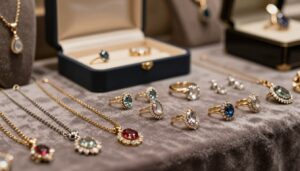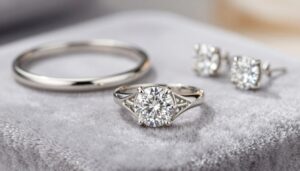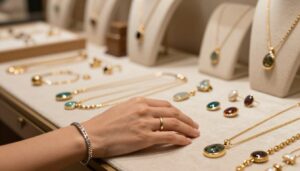
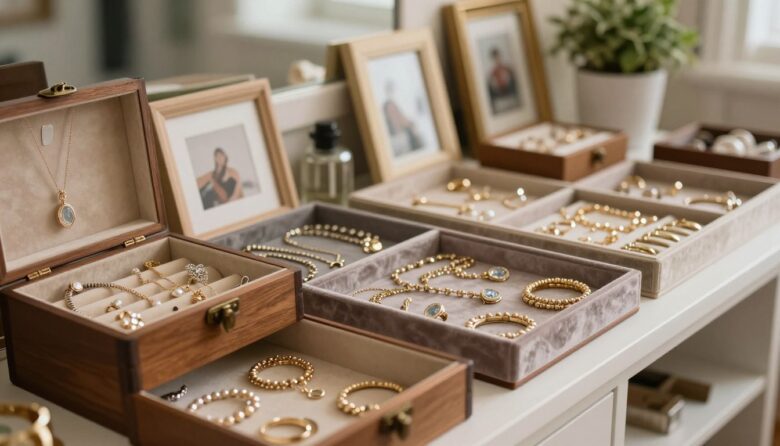
Learning how to store jewelry properly is one of the simplest ways to avoid scratches, tarnish, broken chains, loose stones, and dull-looking pieces. Many people clean their jewelry only after it starts to look damaged, but daily storage habits often matter more than occasional polishing.
Jewelry is exposed to air, moisture, dust, skin oils, perfume, lotion, sweat, and friction. These small factors can slowly affect metals, gemstones, pearls, plating, and delicate settings. A ring left on a bathroom counter, for example, may not look damaged overnight, but repeated humidity can speed up tarnish and weaken the shine.
The right storage method depends on the material. Sterling silver needs more protection from air and moisture, pearls need gentle handling, gold-plated jewelry needs less rubbing, and fine jewelry should be separated to avoid scratches. Storing every piece together in one box may seem convenient, but it often causes tangles and surface damage.
This guide explains how to organize jewelry safely at home, what materials to use, what mistakes to avoid, and when a piece should be checked by a professional. The goal is not to make storage complicated, but to help you create a simple system that protects your jewelry every day.
With a few practical adjustments, you can keep necklaces untangled, earrings paired, rings protected, and silver pieces looking brighter for longer. Proper jewelry storage is mostly about separation, dryness, softness, and consistency.
Important note: if a piece is valuable, antique, inherited, damaged, or made with delicate gemstones, avoid aggressive cleaning or experimental storage methods. When in doubt, ask a qualified jeweler before polishing, soaking, sealing, or repairing it at home.
Why Proper Jewelry Storage Matters More Than Most People Think
Jewelry damage usually happens slowly. A necklace chain can weaken after months of being tangled with heavier pieces. A plated ring can lose its finish after rubbing against harder metals. Sterling silver can become darker when exposed to air, humidity, and certain chemicals. These problems are easier to prevent than to fix.
In practical terms, good storage protects jewelry from four main risks: friction, moisture, chemicals, and pressure. Friction causes scratches and worn plating. Moisture can speed up tarnish. Chemicals from perfume, lotion, cleaning products, or hair spray can affect metal and stones. Pressure can bend thin chains, posts, clasps, and settings.
A common mistake is storing jewelry based only on convenience. Tossing everything into a dish may work for a few everyday pieces, but it is not ideal for long-term care. Even if the jewelry looks fine at first, pieces can scrape each other every time the dish is moved or searched through.
Good storage does not require expensive organizers. Soft pouches, small fabric-lined boxes, zip bags for certain pieces, anti-tarnish strips, divided trays, and a dry drawer can already make a big difference. The most important rule is to give each item enough space so it does not fight with the others.
| Storage Risk | What It Can Cause | Best Prevention |
|---|---|---|
| Moisture | Tarnish, dullness, weakened shine | Store jewelry in a dry place away from bathrooms |
| Friction | Scratches, worn plating, tangled chains | Separate pieces in compartments or soft pouches |
| Chemicals | Discoloration, residue, surface damage | Keep jewelry away from perfume, lotion, and cleaners |
| Pressure | Bent posts, damaged clasps, loose stones | Avoid stacking heavy pieces on delicate jewelry |
How to Store Jewelry Properly at Home
The best way to store jewelry properly is to separate pieces by type, material, and frequency of use. Everyday jewelry should be easy to reach, while special pieces should be stored more carefully in soft, dry, and protected spaces. This prevents rushed handling and reduces unnecessary contact.
Start by choosing a storage location. A bedroom drawer, closet shelf, or dresser away from direct sunlight is usually better than a bathroom. Bathrooms are convenient, but the repeated humidity from showers can be harmful, especially for silver, plated pieces, pearls, and some costume jewelry.
Then divide your jewelry into groups. Keep necklaces away from bracelets, rings away from earrings, and fine pieces away from costume jewelry. If you own silver, store it with extra attention because it tarnishes more easily than many other metals. If you own pearls, avoid airtight storage for long periods because pearls benefit from a little natural moisture and should not become overly dry.
-
Sort jewelry by material and use.
Separate fine jewelry, sterling silver, gold-plated pieces, pearls, watches, and costume jewelry. This helps you choose the right level of protection for each group and prevents harder pieces from scratching softer or more delicate ones.
-
Clean pieces lightly before storing.
Wipe jewelry with a soft, dry cloth after wearing it. This removes sweat, skin oils, perfume residue, and dust. Avoid storing pieces while damp because trapped moisture can encourage tarnish and dullness.
-
Use soft compartments or individual pouches.
Place each piece in a lined section, soft pouch, or small bag when appropriate. The goal is to prevent rubbing. Do not force jewelry into tight spaces because pressure can bend clasps, posts, and thin chains.
-
Keep storage dry and stable.
Choose a cool, dry area away from sunlight, steam, and heat. Avoid windowsills, bathrooms, kitchens, and laundry rooms. A stable environment is safer than a place with frequent temperature and humidity changes.
-
Check delicate pieces before putting them away.
Look for loose stones, bent prongs, weak clasps, or stretched chains. Storing damaged jewelry without noticing the problem can make repairs harder later, especially if a stone falls out during handling.
- Wipe jewelry with a soft cloth before storing it.
- Store necklaces separately to prevent knots and tangles.
- Keep silver in a dry, protected space with limited air exposure.
- Avoid storing jewelry in the bathroom.
- Keep perfume, lotion, and cleaning products away from jewelry storage.
- Use soft pouches, lined trays, or divided compartments.
Best Storage Methods for Different Types of Jewelry
Not all jewelry should be stored the same way. A diamond ring, a pearl necklace, a silver bracelet, and a gold-plated chain have different needs. Treating them all the same can cause avoidable damage, even when the jewelry is not being worn.
Harder gemstones and metals can scratch softer materials. Silver can tarnish faster when exposed to air and moisture. Plated jewelry can lose its outer layer from rubbing. Pearls are organic and more delicate than many people realize. Costume jewelry may contain glue, coatings, or base metals that do not react well to moisture.
In many cases, the safest system is simple: each piece gets its own space. If a jewelry box has many compartments, use them. If it does not, soft pouches or small bags can help. For travel, use a roll-up organizer or compact case with separate sections instead of placing everything in one pouch.
| Jewelry Type | Best Storage Method | Careful With |
|---|---|---|
| Sterling silver | Dry pouch, lined box, or anti-tarnish storage | Moisture, air exposure, rubber, and chemicals |
| Gold jewelry | Soft-lined compartment or individual pouch | Scratches from harder stones or rough surfaces |
| Gold-plated jewelry | Separate soft pouch with minimal rubbing | Friction, sweat, perfume, and over-polishing |
| Pearls | Soft cloth pouch, stored flat when possible | Dryness, chemicals, perfume, and rough contact |
| Necklaces | Hanging organizer or individual slots | Tangles, knots, and pressure on fine chains |
| Costume jewelry | Dry, separate compartments away from moisture | Glue, coatings, base metal discoloration, and humidity |
How to Prevent Tarnish on Silver and Other Metals
Tarnish is a surface reaction that can make metal look dark, dull, yellowish, or stained. Sterling silver is especially known for tarnishing, but other metals and plated pieces can also change appearance depending on moisture, air exposure, sweat, and chemicals.
The best way to prevent tarnish is to reduce exposure to the conditions that speed it up. Store silver in a dry place, limit unnecessary air exposure, and avoid leaving pieces near rubber, wool, strong cleaning products, or damp areas. Anti-tarnish strips can also help when used correctly inside a jewelry box or storage pouch.
Before storing silver, make sure the piece is clean and dry. Even a small amount of moisture or lotion residue can contribute to dullness. A soft polishing cloth made for jewelry can help remove light residue, but aggressive rubbing should be avoided, especially on plated or detailed pieces.
Do not assume that every dark mark should be removed immediately with strong chemicals. Some antique, oxidized, or intentionally darkened pieces have finishes that are part of the design. A harsh dip or abrasive polish can remove more than tarnish and may change the character of the jewelry.
- Store silver jewelry away from humidity and steam.
- Use anti-tarnish strips for silver storage when appropriate.
- Make sure jewelry is completely dry before closing it in a pouch or box.
- Keep silver away from rubber bands, strong chemicals, and harsh cleaning products.
- Use a jewelry polishing cloth instead of rough paper towels.
- Ask a jeweler before cleaning antique, oxidized, or heavily detailed silver.
Jewelry Storage Materials: What to Use and What to Avoid
The material touching your jewelry matters. Soft, clean, non-abrasive materials are usually safer than rough, dusty, or chemically treated surfaces. Fabric-lined jewelry boxes, microfiber pouches, velvet-style trays, and soft cotton bags can protect pieces from scratches.
Plastic zip bags can be useful for certain silver pieces because they limit air exposure, but they are not ideal for every type of jewelry. Pearls, for example, should not be sealed away for very long in a dry airtight environment. Costume jewelry with glued parts may also react poorly if trapped with moisture.
Paper towels, cardboard, rubber bands, and unknown packaging materials are not ideal for long-term storage. Paper can be abrasive, rubber can contribute to discoloration on some metals, and cheap boxes may contain materials that are not meant for preservation. Original jewelry boxes can be useful if they are clean, dry, and lined.
| Material | Good for Storage? | Important Care Note |
|---|---|---|
| Soft fabric pouch | Yes | Useful for preventing scratches and separating pieces |
| Fabric-lined jewelry box | Yes | Best when compartments are clean, dry, and not overcrowded |
| Anti-tarnish strip | Yes, mainly for silver | Use inside storage, but do not treat it as a replacement for dryness |
| Paper towel | No for long-term storage | Can be rough and may leave fibers or scratches |
| Bathroom counter | No | Humidity and product residue can affect jewelry over time |
| Mixed open dish | Only for temporary use | Can cause scratches, tangles, and lost small pieces |
How to Organize Jewelry So It Stays Easy to Use
A storage system only works if it is easy to maintain. If it takes too long to put jewelry away, pieces will eventually end up on counters, trays, bags, or nightstands. The best system is the one that protects your jewelry while still fitting your routine.
For everyday pieces, use a small tray with divided sections or a compact jewelry box near where you get dressed. Keep only the items you wear often in this easy-access area. For special pieces, use a separate storage box, pouch, or drawer where they will not be moved every day.
Necklaces need special attention because they tangle easily. Hanging organizers, necklace stands, or individual long slots work better than small square compartments. If you must store a necklace in a pouch, close the clasp first and leave a small part of the chain outside the pouch to reduce knots.
Earrings should be stored in pairs. Studs can go in small compartments or earring cards. Hoops and larger earrings need enough space so they do not press against each other. Rings can be placed in ring rolls or padded slots, especially if they have stones that could scratch neighboring pieces.
Simple Organization System for Beginners
Use one area for daily jewelry, one area for silver, one area for delicate pieces, and one area for occasional or formal jewelry. This simple structure prevents clutter and makes it easier to notice when something needs cleaning, repair, or extra care.
- Keep everyday jewelry separate from special-occasion jewelry.
- Use ring rolls for rings with stones or delicate settings.
- Store necklaces vertically or in long individual compartments.
- Keep earrings paired in small sections or on earring cards.
- Place delicate pieces where they will not be crushed by heavier items.
- Review your jewelry box every few months to remove dust and check for damage.
Common Jewelry Storage Mistakes That Cause Damage
One of the most common mistakes is storing jewelry while it is still damp. This can happen after washing hands, showering, swimming, exercising, or cleaning. Even if the piece looks dry, moisture can remain around clasps, stone settings, chains, or textured areas.
Another mistake is mixing metals and gemstones without protection. Hard stones can scratch softer metals. Heavy bracelets can press against delicate chains. Earrings can catch on necklaces. Over time, a crowded jewelry box can cause more damage than regular wearing.
Many people also store jewelry near beauty products. Perfume, hairspray, lotion, sunscreen, and makeup can leave residue that affects shine. It is better to apply products first, let them dry, and put jewelry on last. At the end of the day, remove jewelry before applying heavy creams or cleaning products.
| Mistake | Possible Result | Better Habit |
|---|---|---|
| Leaving jewelry in the bathroom | Faster tarnish and dullness from humidity | Store it in a dry bedroom drawer or closet area |
| Throwing all pieces into one dish | Scratches, tangles, and missing earrings | Use separate compartments or soft pouches |
| Storing jewelry with lotion or sweat residue | Discoloration, dullness, and buildup | Wipe pieces gently before putting them away |
| Using harsh cleaning before storage | Damaged plating, stones, pearls, or finishes | Use gentle methods and ask a jeweler when unsure |
| Overcrowding a jewelry box | Pressure on clasps, chains, and settings | Declutter and give delicate pieces more space |
How to Store Jewelry When Traveling
Travel is one of the easiest times to damage or lose jewelry. Pieces are moved, packed, unpacked, exposed to different climates, and sometimes stored quickly in hotel bathrooms or bags. A small travel organizer can prevent many problems.
Use a travel jewelry case with separate compartments if possible. Necklaces should be secured so they do not knot. Earrings should be paired. Rings should be held in padded sections. Avoid placing jewelry loose inside makeup bags because cosmetics, powders, and liquids can leave residue.
For valuable jewelry, consider whether you really need to travel with it. If the piece is expensive, sentimental, or difficult to replace, leaving it safely at home may be the better choice. When traveling with fine jewelry, keep it in your carry-on instead of checked luggage and use hotel safes carefully if available.
Travel Storage Tips
- Use a compact jewelry organizer with separate sections.
- Fasten necklace clasps before packing them.
- Keep jewelry away from makeup, perfume, and liquids.
- Do not pack valuable jewelry loose in checked luggage.
- Bring only the pieces you realistically plan to wear.
- Check your travel case before leaving hotels or rentals.
When to Ask a Jeweler for Help
Storage can prevent many problems, but it cannot fix every issue. If a stone feels loose, a clasp is weak, a ring is bent, or a chain is stretched, storing the piece carefully is not enough. The safest next step is to stop wearing it and ask a jeweler to inspect it.
Professional help is also recommended for antique jewelry, pearls, opals, emeralds, heavily tarnished silver, watches, and pieces with unknown materials. These items may need special care because water, heat, ultrasonic cleaners, chemical dips, or abrasive cloths can cause damage.
Another reason to ask for help is uncertainty. If you do not know whether a piece is solid gold, gold plated, sterling silver, silver plated, or costume jewelry, cleaning and storage choices become harder. A jeweler can often identify the material and recommend safer care.
In situations of the day to day, people often wait until jewelry breaks before asking for help. A better habit is to inspect important pieces a few times a year. Look at clasps, prongs, links, earring backs, and stone settings. Early repairs are usually simpler than repairs after a stone falls out or a chain snaps.
Conclusion
Proper jewelry storage is about protecting each piece from moisture, friction, chemicals, and pressure. A dry location, soft compartments, separated pieces, and gentle wiping after wear can help prevent many common problems, including scratches, tangles, tarnish, and dullness.
The best way to store jewelry properly is to match the storage method to the material. Silver needs more protection from air and humidity, pearls need gentle handling, plated jewelry needs less rubbing, and delicate chains need space to avoid knots. Small habits make a noticeable difference over time.
If a piece is valuable, antique, damaged, or made with delicate stones, do not guess. Store it safely, avoid harsh cleaning, and ask a qualified jeweler for guidance. Good storage keeps jewelry easier to wear, easier to organize, and safer to preserve for the long term.
FAQ
1. What is the best way to store jewelry at home?
The best way to store jewelry at home is in a dry, clean, soft-lined space where each piece has its own area. Use divided trays, fabric pouches, ring rolls, necklace hooks, or small compartments. Keep jewelry away from bathrooms, direct sunlight, perfume, lotion, and cleaning products. Before storing, wipe pieces with a soft cloth to remove sweat and oils. Avoid placing everything together in one dish because chains can tangle, stones can scratch metals, and plated pieces can wear faster from friction.
2. Should jewelry be stored in airtight bags?
Airtight bags can be helpful for some sterling silver pieces because they reduce air exposure and may slow tarnish. However, they are not ideal for every type of jewelry. Pearls should not be stored in a very dry airtight environment for long periods because they are organic and need gentle conditions. Costume jewelry with glued parts can also suffer if moisture gets trapped inside the bag. If you use airtight bags, make sure the jewelry is completely dry first and avoid sealing delicate or damp pieces.
3. Is it bad to store jewelry in the bathroom?
Yes, the bathroom is usually one of the worst places to store jewelry. Steam, humidity, temperature changes, soap residue, hair products, and cleaning chemicals can affect metals, stones, plating, and pearls. Sterling silver may tarnish faster in humid spaces, while costume jewelry can discolor or weaken if moisture reaches glued parts. It is better to store jewelry in a bedroom, closet, dresser drawer, or another dry area. A small tray in the bathroom is fine only for a very short time, not for regular storage.
4. How do I keep necklaces from tangling in storage?
To keep necklaces from tangling, store each necklace separately and close the clasp before putting it away. Hanging organizers, necklace stands, long divided compartments, and travel rolls with individual straps work well. If you use a pouch, place only one necklace inside and leave a small part of the chain near the opening so it does not coil into a knot. Avoid mixing fine chains with pendants, bracelets, or hoop earrings. Thin chains need extra space because they can knot quickly and may break if pulled too hard.
5. How should I store sterling silver jewelry to prevent tarnish?
Sterling silver should be stored in a dry place with limited exposure to air and moisture. A soft pouch, lined jewelry box, or small sealed bag can help, especially when combined with an anti-tarnish strip. Always make sure the silver is clean and fully dry before storage. Avoid bathrooms, damp drawers, rubber bands, harsh chemicals, and rough paper materials. Light tarnish can often be managed with a silver polishing cloth, but antique, oxidized, or detailed silver should be handled carefully so the finish is not accidentally removed.
6. Can I store gold and silver jewelry together?
Gold and silver jewelry can be kept in the same jewelry box, but they should not rub directly against each other. Store them in separate compartments, pouches, or sections. The main issue is not that gold and silver cannot be near each other, but that different metals, stones, and textures can scratch or wear each other down when they move together. Silver also benefits from extra tarnish protection, so it may need a pouch or anti-tarnish strip while gold can often stay in a soft-lined compartment.
7. How should pearls be stored?
Pearls should be stored in a soft pouch or fabric-lined compartment, away from harder gemstones and metals that could scratch them. Do not store pearls in a very dry airtight container for long periods. Keep them away from perfume, hairspray, lotion, and direct sunlight. Pearls are usually best put on after beauty products have dried and wiped gently after wearing. Store pearl necklaces flat when possible to avoid stretching the strand. If the thread looks weak or stretched, ask a jeweler about restringing before wearing them again.
8. Is a jewelry box enough to prevent damage?
A jewelry box can be enough if it is clean, dry, lined, and divided into useful compartments. The problem is that many jewelry boxes become overcrowded. When too many pieces are packed together, chains tangle, rings press against earrings, and hard stones can scratch softer materials. A good jewelry box should separate pieces by type and material. If your box does not have enough sections, add small pouches or trays. The quality of the organization matters more than the size or price of the box.
9. Should I clean jewelry before storing it?
Yes, but cleaning does not always mean washing. For daily care, gently wiping jewelry with a soft, dry cloth is often enough before storage. This removes sweat, oils, dust, and product residue. Avoid storing jewelry while damp, especially silver, plated pieces, and costume jewelry. Do not soak delicate jewelry unless you are sure the material can handle it. Pearls, opals, glued costume jewelry, and some antique pieces need extra caution. When in doubt, use a dry cloth and ask a jeweler before using water or chemicals.
10. What should I avoid when storing gold-plated jewelry?
Gold-plated jewelry should be protected from friction, moisture, sweat, perfume, lotion, and harsh polishing. The gold layer is thinner than solid gold, so repeated rubbing can wear it down. Store each plated piece in a soft pouch or separate compartment. Do not place it under heavy bracelets or rings. Avoid cleaning it with abrasive cloths, strong chemicals, or rough brushes. Put gold-plated jewelry on after beauty products have dried and remove it before showering, swimming, exercising, or cleaning to help preserve the finish.
11. How often should I check my stored jewelry?
It is a good idea to check stored jewelry every few months, especially pieces you do not wear often. Look for tarnish, loose stones, weak clasps, bent posts, stretched chains, missing earring backs, or signs of moisture. For valuable or frequently worn fine jewelry, inspection by a jeweler once in a while can help catch problems early. Regular checks also help you keep your storage organized. If a piece looks damaged, stop wearing it until it is inspected or repaired.
12. What is the safest way to store jewelry while traveling?
The safest way to store jewelry while traveling is to use a compact travel case with separate compartments. Keep necklaces secured, earrings paired, rings in padded slots, and delicate pieces away from cosmetics and liquids. Do not throw jewelry loose into a makeup bag or suitcase pocket. For valuable jewelry, consider leaving it at home if it is not necessary for the trip. If you do travel with expensive or sentimental pieces, keep them in your carry-on and check your case carefully before leaving hotels or rentals.
Editorial note: this article is for educational purposes and focuses on general jewelry storage habits. Valuable, antique, damaged, or delicate pieces may require individual guidance from a qualified jeweler before cleaning, polishing, sealing, or repairing.

Orion Eastwood is a certified jewelry materials specialist with over twelve years of experience in metal testing, gemstone authentication, and consumer advocacy. He began as a quality assurance technician for a jewelry importer in Portland, Oregon, before moving to independent consulting in 2017, where he has tested over 2,000 jewelry samples for plating durability, nickel content, and hypoallergenic compliance.
Orion holds a Graduate Diamonds diploma from the Gemological Institute of America (GIA) and advanced training in precious metal analysis through the Jewelers Vigilance Committee (JVC). At Moda Jewels, he translates technical metallurgical concepts into practical buying and care guidance for everyday consumers.