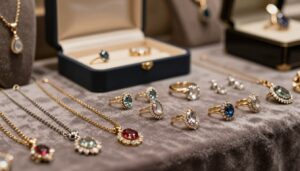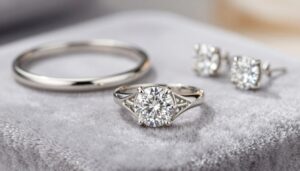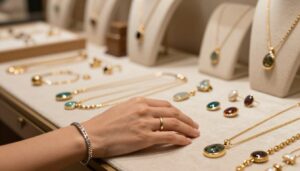
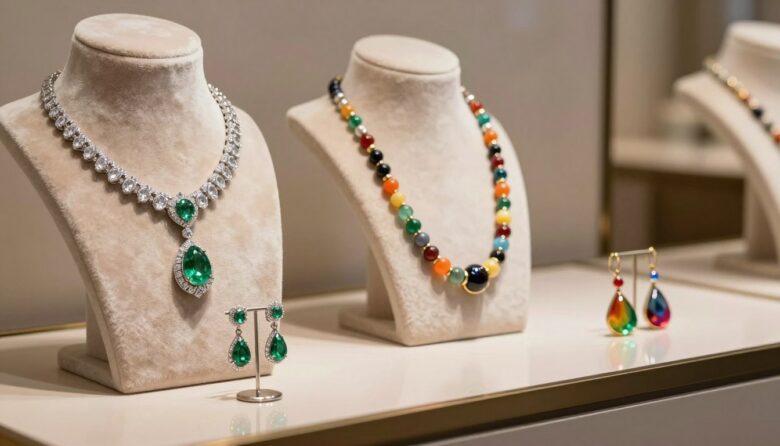
Fine jewelry vs fashion jewelry is one of the most common comparisons people make before buying earrings, rings, necklaces, bracelets, or gifts. At first glance, both can look beautiful, stylish, and well made, but they are usually very different in materials, durability, price, maintenance, and long-term value.
The simplest difference is this: fine jewelry is usually made with precious metals and genuine gemstones, while fashion jewelry is made mainly for style, affordability, and trend-focused wear. That does not mean one is always better than the other. It means each one serves a different purpose.
Fine jewelry may be the better choice for engagement rings, heirloom pieces, daily staples, and items you want to keep for many years. Fashion jewelry can be ideal when you want variety, seasonal trends, bold colors, or an accessory that completes an outfit without a major investment.
The challenge is that many pieces can look similar in photos or store displays. A gold-plated necklace may look close to solid gold when new, and a simulated stone can sparkle beautifully under bright lighting. Without checking the materials and product details, it is easy to overpay or choose the wrong piece for your needs.
This guide explains the difference in simple terms, shows how to compare both options, and gives you practical steps to make a safer buying decision before spending money on jewelry.
Important note: jewelry descriptions can vary by seller and country. Before buying an expensive piece, confirm the metal, gemstone, return policy, and any grading report with a reputable jeweler or an official source. Avoid sharing payment details on unknown websites and be careful with vague claims such as “real gold look” or “diamond-like” without clear material information.
Fine Jewelry vs Fashion Jewelry: The Main Difference
Fine jewelry is usually made from materials that have recognized long-term value, such as gold, platinum, sterling silver, diamonds, sapphires, rubies, emeralds, pearls, and other genuine gemstones. These pieces are designed to last longer, resist normal wear better, and often be repaired, resized, polished, or professionally maintained.
Fashion jewelry, also called costume jewelry, is usually made from more affordable materials such as brass, copper, stainless steel, alloy metals, glass, resin, acrylic, crystal, imitation stones, or plated finishes. Its main purpose is decorative style rather than long-term value.
In practice, the biggest difference appears after months or years of use. Fine jewelry can often be cleaned, repaired, and passed down. Fashion jewelry may still look great, but plating can fade, stones may loosen more easily, and the piece may not be worth repairing if it breaks.
| Comparison Point | Fine Jewelry | Fashion Jewelry |
|---|---|---|
| Main purpose | Long-term wear, value, gifts, milestones, heirlooms | Style, trends, outfit matching, affordable variety |
| Common materials | Gold, platinum, sterling silver, genuine gemstones | Base metals, plating, glass, resin, crystals, imitation stones |
| Price range | Usually higher | Usually lower |
| Durability | Often better for regular or lifetime wear | Best for occasional or trend-based wear |
| Repair potential | Often repairable by a jeweler | May not be cost-effective to repair |
| Long-term value | Can retain some material or sentimental value | Usually has little resale value |
Materials Used in Fine Jewelry
The material is the strongest clue when identifying fine jewelry. Gold is often marked by karat, such as 10K, 14K, 18K, or 22K, depending on the gold content. Platinum jewelry may have markings that indicate platinum purity, and sterling silver is commonly marked as 925, meaning it contains 92.5% silver.
Fine jewelry can also include genuine gemstones. Diamonds, sapphires, rubies, emeralds, pearls, and other natural or laboratory-grown stones may be set into precious metals. The value depends on several details, including stone quality, size, origin, treatment, craftsmanship, and condition.
A common beginner mistake is assuming that every expensive-looking piece is fine jewelry. A piece can be beautifully designed and still be plated, filled, or made with simulated stones. Before buying, check the metal stamp, product description, seller reputation, and any available grading report.
- Look for metal markings such as 10K, 14K, 18K, 925, PT, PLAT, or similar stamps.
- Ask whether the stones are natural, laboratory-grown, treated, simulated, or imitation.
- Check whether the item is solid metal, hollow, plated, vermeil, gold-filled, or gold-tone.
- Request written details for expensive pieces instead of relying only on verbal claims.
- Compare the price with similar items from reputable jewelers before buying.
Materials Used in Fashion Jewelry
Fashion jewelry focuses on appearance, variety, and affordability. It may use gold-tone metal, silver-tone metal, rhodium-style finishes, glass stones, cubic zirconia, rhinestones, acrylic, enamel, resin, beads, stainless steel, or plated base metals. These materials allow brands to create trendy designs at accessible prices.
This type of jewelry is not automatically low quality. Some fashion jewelry is well designed and can last a long time with proper care. The difference is that the materials are usually not chosen for long-term intrinsic value. They are chosen because they create a certain look at a lower cost.
Fashion jewelry is useful when you want to test a style before buying a more expensive version. For example, someone may wear a bold gold-tone chain or oversized gemstone-style earrings for a season before deciding whether they want a similar fine jewelry piece later.
| Material or Term | What It Usually Means | What to Check Before Buying |
|---|---|---|
| Gold-tone | Looks like gold but may not contain actual gold | Check if the seller states any real gold content |
| Gold-plated | A thin layer of gold over another metal | Ask about plating thickness and care instructions |
| Cubic zirconia | A popular diamond simulant | Confirm it is not being represented as a diamond |
| Crystal or glass | Decorative sparkle without gemstone value | Check stone setting quality and return policy |
| Base metal | Affordable metal used under plating or coating | Check for nickel if you have sensitive skin |
| Stainless steel | Durable and affordable metal option | Check finish quality and coating details |
Durability, Daily Wear, and Maintenance
Fine jewelry is usually more suitable for daily wear, especially when it is made with durable metals and secure settings. A solid gold ring, platinum band, or sterling silver necklace can often be cleaned and maintained for years. However, fine jewelry is not indestructible. Prongs can loosen, chains can break, and stones can chip if handled carelessly.
Fashion jewelry often needs gentler use. Water, perfume, sweat, lotion, and friction can damage plating or make the finish fade. If the piece contains glued stones, the adhesive may weaken over time. This is why fashion jewelry is often better removed before showering, exercising, swimming, or sleeping.
In many cases, the right care routine matters as much as the category. A well-cared-for fashion necklace may last longer than a fine jewelry piece that is worn roughly every day without cleaning or inspection.
-
Read the product description carefully.
Check whether the item is solid gold, gold-plated, gold-filled, vermeil, sterling silver, stainless steel, or base metal. This prevents confusion and helps you understand the expected durability.
-
Check how the stones are set.
Prong-set stones are usually easier to inspect and repair than glued stones. If a piece will be worn often, secure settings matter more than sparkle alone.
-
Consider your wearing habits.
If you shower, exercise, or sleep with jewelry on, fine jewelry may be safer, but even fine pieces should be removed during rough activity.
-
Ask about maintenance.
Before buying, ask whether the piece can be cleaned, polished, resized, replated, or repaired. This is especially important for rings and bracelets.
-
Store each piece properly.
Keep jewelry separated to reduce scratching and tangling. Fashion jewelry should be kept dry, while fine jewelry may benefit from periodic professional inspection.
Price, Value, and What You Are Really Paying For
Fine jewelry usually costs more because the materials themselves are more valuable and the craftsmanship may require higher precision. A diamond ring, a gold chain, or a platinum setting includes material value, labor, design, brand reputation, gemstone quality, and sometimes certification or grading costs.
Fashion jewelry is usually priced based on design, brand, trend appeal, and manufacturing quality rather than precious material value. A fashion necklace may be worth buying if you love the design and understand that it is not meant to hold long-term resale value.
Before taking a decision, compare the price to the purpose. For a wedding band or heirloom gift, durability may justify spending more. For a one-event accessory or a seasonal trend, fashion jewelry may be the smarter choice.
- Choose fine jewelry for pieces you want to wear for years or pass down.
- Choose fashion jewelry for trendy styles, occasional wear, or low-risk experimenting.
- Do not pay fine jewelry prices for vague terms like “luxury look” or “gold color.”
- For expensive gemstones, ask for a grading report from a recognized laboratory when appropriate.
- Check return policies, warranties, resizing options, and repair services before buying.
How to Tell What Type of Jewelry You Are Buying
The safest way to identify jewelry is to combine several clues instead of relying on one sign. A stamp can help, but stamps can be missing, worn down, or misleading. A low price can also be a clue, but it does not prove quality by itself.
Start with the seller’s written description. Look for clear terms such as 14K gold, sterling silver, platinum, natural diamond, laboratory-grown diamond, cubic zirconia, gold-plated brass, or stainless steel. Clear descriptions are better than vague marketing phrases.
If the piece is expensive, ask for documentation. For diamonds and important gemstones, a grading or identification report from a recognized lab can help confirm what you are buying. For metal content, a professional jeweler can often inspect the piece and explain the markings.
| What You See | Possible Meaning | Best Next Step |
|---|---|---|
| No metal stamp | The piece may be fashion jewelry, handmade, worn, or unstamped | Ask the seller for written material details |
| Very low price for “gold” | It may be plated, gold-tone, hollow, or not solid gold | Confirm whether it is solid gold or only coated |
| “Diamond-like” wording | The stone may be simulated rather than diamond | Ask whether it is diamond, lab-grown diamond, or simulant |
| Green marks on skin | Base metal reaction or plating wear may be occurring | Stop wearing it if irritation appears and check materials |
| Stone looks cloudy after wear | It may need cleaning, or the surface may be damaged | Clean gently and consult a jeweler if it remains dull |
Common Mistakes When Choosing Jewelry
One common mistake is buying only by appearance. Jewelry photography can make plated pieces, imitation stones, and lightweight settings look more expensive than they are. Always read the material description before judging the price.
Another mistake is assuming that “expensive” always means “fine jewelry.” Some fashion brands charge premium prices because of design, branding, or popularity, not because the piece contains precious metals or gemstones. That can be perfectly acceptable if you value the design, but it should be clear before you buy.
A third mistake is ignoring allergies and skin sensitivity. Some people react to nickel or certain base metals. If earrings, rings, or necklaces cause itching, redness, or dark marks, check the metal content and consider hypoallergenic options from a reputable seller.
- Do not confuse gold-tone with solid gold.
- Do not assume every clear sparkling stone is a diamond.
- Do not buy expensive jewelry without checking the return policy.
- Do not wear plated fashion jewelry in water unless the seller clearly says it is safe.
- Do not ignore loose stones, weak clasps, or rough edges before purchase.
- Do not rely only on social media photos for high-value jewelry decisions.
When Fine Jewelry Makes More Sense
Fine jewelry usually makes more sense when the piece carries emotional, practical, or long-term importance. Engagement rings, wedding bands, anniversary gifts, religious pieces, family heirlooms, and everyday staples often benefit from stronger materials and better repair options.
It can also be the better choice if you prefer fewer pieces of higher quality. A simple pair of gold hoops, a durable chain, or a classic ring can be worn with many outfits and maintained over time. This can be more practical than replacing lower-cost pieces repeatedly.
However, fine jewelry still requires smart buying. Compare sellers, understand the materials, inspect craftsmanship, and avoid pressure-based sales. If a deal seems unusually cheap for solid gold or genuine gemstones, pause and verify the details before paying.
When Fashion Jewelry Is the Better Choice
Fashion jewelry is often the better choice when style variety matters more than long-term material value. It allows you to try bold designs, colors, shapes, and trends without spending as much as you would on precious metals or gemstones.
It is also practical for travel, parties, photoshoots, events, and outfits that need a specific accessory. Many people prefer not to travel with expensive fine jewelry, so fashion pieces can provide the look they want with less financial risk.
The key is to buy fashion jewelry with realistic expectations. If the price is low and the piece is plated, it may not last forever. That does not make it a bad purchase if it fits your purpose and you care for it properly.
When to Ask a Jeweler or Trusted Expert
You should consider asking a jeweler when the piece is expensive, inherited, damaged, unlabeled, or described with unclear terms. A professional inspection can help identify metal type, check stone security, explain markings, and suggest cleaning or repair options.
Expert help is especially useful for engagement rings, vintage jewelry, antique pieces, estate jewelry, loose gemstones, pearls, and high-value diamond purchases. In these cases, small details can affect value and durability.
If you are buying online, choose sellers that provide clear photos, written material details, return policies, and customer support. For high-value items, avoid listings that use vague language, refuse documentation, or pressure you to buy quickly.
Conclusion
Fine jewelry vs fashion jewelry comes down to purpose, materials, durability, and budget. Fine jewelry is usually better for long-term wear, meaningful gifts, and pieces that may be repaired or kept for years. Fashion jewelry is better for style variety, trends, occasional use, and affordable accessorizing.
The safest choice is not always the most expensive one. A fashion piece can be perfect for a seasonal look, while a fine jewelry piece may be worth the investment for daily wear or a major life moment. The important step is knowing exactly what you are paying for.
Before buying, read the material description, check the seller’s policy, look for clear markings, and ask a professional when the piece has high value or unclear details. That simple approach can help you avoid overpaying and choose jewelry that fits your real needs.
FAQ
1. Is fine jewelry always better than fashion jewelry?
No. Fine jewelry is usually better for long-term wear, important gifts, and pieces that need durability or repair options. Fashion jewelry can be better when you want affordable style, trend variety, or an accessory for a specific outfit. The better choice depends on your purpose. If you want a ring to wear every day for years, fine jewelry is usually safer. If you want bold earrings for a party or seasonal look, fashion jewelry may be more practical and budget-friendly.
2. Can fashion jewelry look expensive?
Yes. Many fashion jewelry pieces are designed to look elegant, polished, and similar to fine jewelry when new. Good design, bright plating, crystal stones, and professional photography can make a piece look more expensive than its materials. That is why appearance alone is not enough. Always check the written description. Terms such as gold-tone, silver-tone, plated, crystal, or simulated stone usually mean the piece is decorative rather than made from precious metals or genuine gemstones.
3. Does gold-plated jewelry count as fine jewelry?
Gold-plated jewelry can vary, but it is usually not considered the same as solid gold fine jewelry. It has a layer of gold over another metal, and that layer can wear down over time. Some higher-quality plated pieces, such as vermeil or gold-filled jewelry, may last longer than basic plating, but they still differ from solid gold. Before buying, check the base metal, gold thickness if available, care instructions, and whether the seller clearly explains the plating type.
4. What is the easiest way to identify fine jewelry?
Start by checking for metal markings and written product details. Fine jewelry often has stamps such as 10K, 14K, 18K, 925, PT, or PLAT, depending on the metal. However, markings are not the only proof. Look at the seller’s description, gemstone information, price, craftsmanship, and documentation. For expensive pieces, ask a reputable jeweler to inspect the item. A professional can help confirm whether it is solid precious metal, plated, repaired, or misrepresented.
5. Why does fashion jewelry sometimes turn skin green?
Green marks can happen when certain base metals react with moisture, sweat, lotion, or skin chemistry. It is more common with copper-containing metals or when plating wears down and exposes the metal underneath. This does not always mean the piece is dangerous, but it may be uncomfortable or irritating for some people. To reduce the risk, keep fashion jewelry dry, avoid applying perfume or lotion directly on it, and remove it before showering, swimming, or exercising.
6. Is sterling silver fine jewelry?
Sterling silver is commonly considered a fine jewelry metal because it contains a high percentage of silver and can often be cleaned, polished, and repaired. It is more affordable than gold or platinum, but it still has recognized precious metal content. Sterling silver can tarnish over time, especially when exposed to air, moisture, or chemicals. This is normal and can often be improved with proper cleaning. Look for markings such as 925 and buy from reliable sellers.
7. Are lab-grown diamonds fine jewelry?
Lab-grown diamonds can be used in fine jewelry when they are set in precious metals such as gold or platinum. They are not imitation stones; they have the same basic crystal structure as diamonds grown in nature. However, their pricing, resale market, and grading details may differ from natural diamonds. If you are buying a lab-grown diamond, ask for clear disclosure and documentation. The seller should state that it is laboratory-grown, not natural, so you understand exactly what you are purchasing.
8. Is cubic zirconia the same as a diamond?
No. Cubic zirconia is a diamond simulant, meaning it is made to resemble a diamond but is not a diamond. It can be beautiful, bright, and affordable, which makes it popular in fashion jewelry and some budget-friendly designs. However, it does not have the same hardness, rarity, or market value as a diamond. A trustworthy seller should clearly describe cubic zirconia as cubic zirconia, CZ, or simulated stone rather than presenting it as a natural or lab-grown diamond.
9. Should I buy fine jewelry online?
You can buy fine jewelry online, but you should be careful. Choose sellers with clear material descriptions, detailed photos, secure payment, return policies, warranty information, and customer support. For diamonds or high-value gemstones, look for reliable grading reports when appropriate. Avoid listings that use vague terms, unrealistic discounts, or unclear metal descriptions. If possible, compare the item with similar pieces from reputable jewelers before buying so you can understand whether the price makes sense.
10. How should I store fine jewelry and fashion jewelry?
Store jewelry separately to prevent scratches, tangles, and damage. Fine jewelry should be kept in a clean, dry place, ideally in a soft pouch or lined box. Fashion jewelry should also be stored dry, away from moisture, perfume, and direct sunlight, because plating and glued stones can be more sensitive. Necklaces should be unclasped or hung carefully to avoid knots. Rings and earrings should be separated so harder stones or metals do not scratch softer materials.
11. Can fashion jewelry be repaired?
Sometimes, but repair may not be worth the cost. A broken clasp, loose jump ring, or missing stone may be easy to fix, especially if the piece has sentimental value. However, replating, replacing glued stones, or repairing weak base metal can cost more than buying a new item. Fine jewelry is usually more repairable because the materials can justify professional work. For fashion jewelry, ask for a repair estimate first and compare it with the replacement cost.
12. Which type of jewelry is better for sensitive skin?
People with sensitive skin often do better with metals such as solid gold, platinum, titanium, surgical-grade stainless steel, or high-quality sterling silver, depending on the person. Fashion jewelry may contain base metals that can irritate some skin types, especially if plating wears off. Nickel is a common concern for many people. If you have sensitive skin, read the material description carefully, choose earrings and rings with safer metals, and stop wearing any piece that causes redness, itching, or discomfort.
Editorial note: this article is for educational purposes and should not replace an individual evaluation by a qualified jeweler, gemologist, or trusted seller when a piece is expensive, inherited, damaged, or described with unclear material claims.
Official References
- Electronic Code of Federal Regulations — 16 CFR Part 23, Guides for the Jewelry, Precious Metals, and Pewter Industries
- Gemological Institute of America — The GIA Difference
- Gemological Institute of America — Diamond Quality Factors

Orion Eastwood is a certified jewelry materials specialist with over twelve years of experience in metal testing, gemstone authentication, and consumer advocacy. He began as a quality assurance technician for a jewelry importer in Portland, Oregon, before moving to independent consulting in 2017, where he has tested over 2,000 jewelry samples for plating durability, nickel content, and hypoallergenic compliance.
Orion holds a Graduate Diamonds diploma from the Gemological Institute of America (GIA) and advanced training in precious metal analysis through the Jewelers Vigilance Committee (JVC). At Moda Jewels, he translates technical metallurgical concepts into practical buying and care guidance for everyday consumers.