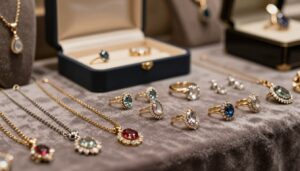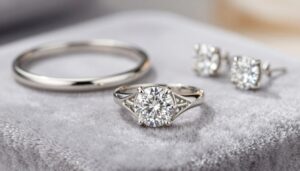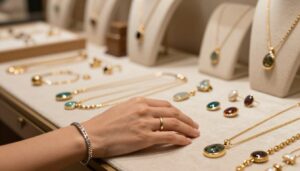

Learning how to clean jewelry safely at home helps you bring back shine without damaging metals, stones, settings, or finishes. The safest method is usually simple: identify the piece, use gentle materials, avoid harsh chemicals, and clean slowly instead of scrubbing aggressively.
Jewelry often becomes dull because of body oils, lotion, soap residue, dust, perfume, sunscreen, and everyday handling. A ring worn daily, for example, can collect grime under the stone and around the prongs even when the top still looks clean.
The main risk is treating every piece the same way. Gold, sterling silver, diamonds, pearls, opals, plated jewelry, costume jewelry, and antique pieces do not all respond well to the same cleaning method. What is safe for a plain gold band may be too strong for pearls or glued costume stones.
This guide explains a practical step-by-step process for cleaning common jewelry at home, what to avoid, when to stop, and when it is safer to ask a professional jeweler for help.
Important safety note: before cleaning valuable, antique, fragile, plated, pearl, opal, emerald, turquoise, or unknown jewelry, use the gentlest method first or ask a professional jeweler. Avoid bleach, chlorine, toothpaste, vinegar, baking soda on delicate pieces, boiling water, and aggressive scrubbing.
How to Identify Your Jewelry Before Cleaning
Before using water, soap, polish, or any cleaning tool, look closely at the piece. The safest cleaning method depends on the metal, the stones, the setting, and whether the jewelry is solid, plated, glued, strung, or antique.
In many cases, damage happens because the piece is cleaned before it is identified. A diamond ring in solid gold can usually handle gentle warm soapy water, but a pearl necklace, glued costume earring, or opal ring may need only a soft cloth and minimal moisture.
Check for hallmarks such as 10K, 14K, 18K, 925, sterling, platinum, or plated markings. Also check whether stones move, glue is visible, pearls are strung on thread, or the surface looks coated. If anything feels loose, stop before cleaning.
| Jewelry type | Usually safer at home | Main caution |
|---|---|---|
| Plain gold band | Warm water, mild dish soap, soft cloth | Avoid abrasive cleaners that can dull the surface |
| Diamond ring | Warm soapy water and a very soft brush | Do not scrub loose prongs or fragile settings |
| Sterling silver | Silver polishing cloth for tarnish | Avoid rough polishing and chemical dips on delicate pieces |
| Pearls | Soft dry or slightly damp cloth | Do not soak, scrub, or use soap aggressively |
| Opal or turquoise | Soft cloth with very light moisture | These stones can be sensitive to heat, dryness, and chemicals |
| Costume jewelry | Damp cloth only | Soaking can loosen glue or damage coatings |
| Antique jewelry | Professional advice is safer | Old settings, foil backs, glue, and fragile stones can be damaged |
Checklist Before You Clean Jewelry Safely at Home
A short inspection can prevent most common mistakes. Do this before preparing any cleaning solution, especially if the piece has stones, small prongs, pearls, plating, or sentimental value.
- Check whether the jewelry is solid metal, plated, sterling silver, costume, pearl, or gemstone jewelry.
- Look for loose stones, bent prongs, weak clasps, cracked gems, peeling plating, or visible glue.
- Place a towel on the cleaning surface so small pieces do not roll away.
- Close the sink drain or, preferably, clean jewelry in a small bowl away from the sink.
- Use lukewarm water, not hot or boiling water.
- Use mild dish soap only when the material can safely handle light washing.
- Use a soft microfiber cloth or lint-free cloth for drying.
- Keep each piece separate to avoid scratches.
One practical habit is to photograph the jewelry before cleaning. This makes it easier to notice whether a stone was already loose, a clasp was bent, or tarnish was present before you started.
Step-by-Step Method for Most Durable Jewelry
This method works best for many plain gold pieces, sturdy diamond jewelry, and some durable gemstone jewelry. It should not be used the same way on pearls, opals, turquoise, glued stones, plated pieces, costume jewelry, or antiques.
-
Prepare a safe cleaning area.
Use a small bowl on a towel-covered surface. Avoid cleaning directly over an open sink because rings, earrings, and small stones can slip away quickly.
-
Mix lukewarm water with mild dish soap.
Add a few drops of mild dish soap to lukewarm water. The goal is to loosen oils and residue, not to create a strong chemical bath.
-
Soak only if the piece can handle water.
For durable pieces, soak for a few minutes. Do not soak pearls, opals, turquoise, glued costume jewelry, or pieces with unknown materials.
-
Brush gently with a soft brush.
Use a very soft toothbrush only on durable jewelry. Focus lightly around crevices, under stones, and near settings. Do not press hard against prongs or pavé stones.
-
Rinse carefully in clean lukewarm water.
Rinse in a separate bowl instead of under running water when possible. This reduces the risk of losing small pieces.
-
Dry with a lint-free cloth.
Pat dry instead of rubbing aggressively. Make sure moisture is removed from clasps, chains, and settings before storage.
-
Inspect the piece again.
After cleaning, check whether stones are secure, clasps close properly, and no residue remains. If something looks loose, stop wearing it until a jeweler checks it.
How to Clean Different Jewelry Materials Safely
Different materials need different care. The table below gives a quick starting point, but it is still important to consider the full piece, not just the metal or stone.
| Material | Safe basic method | Avoid |
|---|---|---|
| Solid gold | Lukewarm water, mild soap, soft cloth | Toothpaste, bleach, rough brushes, harsh polishing |
| Gold-plated jewelry | Soft damp cloth and very gentle drying | Soaking, scrubbing, frequent polishing, abrasive cloths |
| Sterling silver | Silver polishing cloth for light tarnish | Strong chemical dips on stones, pearls, or antique pieces |
| Diamonds | Lukewarm soapy water and soft brush if setting is secure | Bleach, chlorine, rough scrubbing, ultrasonic cleaning on fragile settings |
| Pearls | Soft cloth after wearing | Soaking, hot water, detergents, ultrasonic cleaners, harsh chemicals |
| Opals | Soft slightly damp cloth | Heat, sudden temperature changes, soaking, ultrasonic cleaners |
| Emeralds | Gentle cloth and professional advice for deeper cleaning | Ultrasonic cleaners, harsh chemicals, excessive heat |
| Costume jewelry | Dry or lightly damp cloth | Water baths, alcohol, polish, soaking, scrubbing glued stones |
A common mistake is assuming that a hard gemstone makes the entire piece safe for aggressive cleaning. The stone may be durable, but the prongs, plating, glue, enamel, or side stones may not be.
What Not to Use When Cleaning Jewelry at Home
Many viral cleaning tricks are too aggressive for jewelry. They may seem to work at first because they remove dirt quickly, but they can scratch metal, weaken glue, dull stones, remove plating, or leave residue in small crevices.
- Do not use bleach, chlorine, acetone, or strong household cleaners.
- Do not clean jewelry with toothpaste, especially gold, silver, pearls, opals, or soft stones.
- Do not use boiling water or sudden temperature changes.
- Do not soak costume jewelry, glued stones, pearls, opals, or antique pieces.
- Do not use rough brushes, steel wool, paper towels, or abrasive pads.
- Do not use ultrasonic cleaners unless a jeweler confirms the piece is suitable.
- Do not polish plated jewelry too often because the coating can wear away.
- Do not clean multiple pieces together in one bowl because they can scratch each other.
In practice, the safest cleaner is often not the strongest one. A soft cloth, patience, and a mild solution are better than a fast method that removes shine, coating, or surface detail.
How Often Should You Clean Jewelry?
Cleaning frequency depends on how often you wear the piece and what it touches. Jewelry worn daily collects more oil, lotion, sweat, and soap residue than pieces stored for special occasions.
Daily rings, earrings, and chains can be wiped with a soft cloth after wearing. A gentle deeper clean may be useful when the jewelry looks dull, feels sticky, or has visible buildup around stones and clasps.
| Jewelry use | Suggested care | Reason |
|---|---|---|
| Daily rings | Wipe often and clean gently when dull | Rings collect soap, lotion, and oils quickly |
| Earrings | Wipe regularly, especially posts and backs | They touch skin oils and hair products |
| Necklaces | Wipe after perfume, sunscreen, or sweat exposure | Residue can build up near clasps and chains |
| Pearls | Wipe after every wear | Pearls are sensitive to cosmetics, perfume, and moisture |
| Stored jewelry | Inspect before wearing | Clasps, tarnish, or settings may need attention |
Common Jewelry Cleaning Mistakes
The most common mistake is using one cleaning recipe for every piece. Jewelry is not one material. It can include metal, stone, glue, enamel, plating, string, coatings, and delicate settings in the same item.
Another mistake is scrubbing too hard. Dirt around a stone may make the jewelry look dull, but pressure can bend small prongs or loosen stones. A soft brush should move gently, not forcefully.
Cleaning over the sink is also risky. Even careful people drop earrings, backs, rings, and loose stones. A bowl placed on a towel is safer and easier to control.
| Mistake | Possible consequence | Safer option |
|---|---|---|
| Using toothpaste | Scratches metal and soft stones | Use mild soap only when appropriate |
| Soaking pearls | Can affect luster and weaken stringing | Wipe gently with a soft cloth |
| Cleaning with bleach | Can damage metal and stones | Use gentle cleaning methods |
| Using ultrasonic cleaners on fragile pieces | May loosen stones or damage treated gems | Ask a jeweler first |
| Rubbing plated jewelry aggressively | Can remove the plated layer | Use a soft cloth with minimal pressure |
When to Ask a Professional Jeweler
Home cleaning is useful for light dirt and routine care, but it does not replace a professional inspection. A jeweler can check prongs, clasps, loose stones, worn settings, weakened chains, and damage that is not obvious at home.
Ask for help if the jewelry is valuable, antique, inherited, heavily tarnished, cracked, missing stones, or made with delicate gems. Also avoid experimenting if you do not know whether the stones are treated, glued, porous, or heat-sensitive.
Professional help is especially important before using an ultrasonic cleaner. These machines can be effective for some durable pieces, but they are not suitable for every stone, setting, or antique item.
How to Store Jewelry After Cleaning
Cleaning is only one part of jewelry care. Storage matters because pieces can scratch, tangle, tarnish, or collect dust when they are thrown together in a drawer.
Let jewelry dry completely before storing it. Moisture trapped in chains, clasps, or settings can contribute to tarnish or residue. Store pieces separately in soft pouches, lined boxes, or individual compartments.
Keep pearls, opals, turquoise, plated pieces, and costume jewelry away from harsh sunlight, perfume, humidity, and chemicals. Put jewelry on after lotion, perfume, sunscreen, and hair products have dried.
Conclusion
Knowing how to clean jewelry safely at home is mostly about choosing the gentlest method for the material, inspecting the piece first, and avoiding harsh products that can cause long-term damage.
For many durable pieces, lukewarm water, mild dish soap, a soft brush, and a lint-free cloth are enough. For pearls, opals, turquoise, plated jewelry, costume pieces, and antiques, a soft cloth or professional advice is usually safer.
If a stone is loose, a setting looks weak, the piece is valuable, or you are unsure what it is made of, stop before cleaning and ask a professional jeweler. A careful approach protects both the appearance and the structure of the jewelry.
FAQ
1. Can I clean all jewelry with dish soap and water?
No. Mild dish soap and lukewarm water can be safe for many durable pieces, such as plain gold bands and some diamond jewelry, but it is not safe for everything. Pearls, opals, turquoise, glued costume jewelry, antique pieces, and some plated items can be damaged by soaking or too much moisture. Before using soap and water, identify the material and check for loose stones, glue, coatings, or fragile settings.
2. Is toothpaste safe for cleaning jewelry?
Toothpaste is not a safe general jewelry cleaner. It can be abrasive enough to scratch gold, silver, plated surfaces, pearls, opals, and other delicate materials. Even if it makes a piece look cleaner at first, it may leave fine scratches or residue. A safer option for many durable pieces is mild dish soap with lukewarm water. For silver tarnish, use a proper silver polishing cloth instead of toothpaste.
3. Can I clean diamond jewelry at home?
Many diamond pieces can be cleaned at home if the setting is secure and the jewelry does not include delicate side stones. Use lukewarm water, a few drops of mild dish soap, and a soft toothbrush. Brush gently around the setting and under the stone where oil collects. Do not use bleach, chlorine, toothpaste, rough brushes, or strong cleaners. If prongs are loose or the ring is antique, ask a jeweler first.
4. How should I clean pearl jewelry?
Pearls need very gentle care. Wipe them with a soft dry or slightly damp cloth after wearing, especially if they touched perfume, sweat, lotion, or makeup. Avoid soaking pearls, using hot water, scrubbing, ultrasonic cleaners, detergents, vinegar, toothpaste, or polishing compounds. Pearl necklaces are often strung on thread, and too much moisture can weaken the string over time. For deep cleaning or restringing, use a professional jeweler.
5. Can I use an ultrasonic cleaner at home?
Use an ultrasonic cleaner only if you know the jewelry is suitable for it. These machines can loosen stones, affect fragile settings, and damage certain treated, porous, or delicate gems. They are especially risky for pearls, opals, emeralds, turquoise, glued stones, antique jewelry, and pieces with weak prongs. If the item is valuable or you are unsure about the stone or setting, ask a jeweler before using ultrasonic cleaning.
6. How do I clean sterling silver jewelry?
For light tarnish, use a silver polishing cloth and gentle pressure. If the silver has gemstones, pearls, enamel, plating, or antique details, avoid chemical dips unless a professional confirms they are safe. Silver is softer than many people think, so aggressive rubbing can create scratches. Store sterling silver in a dry, lined, separate space to reduce tarnish and avoid contact with moisture, perfume, and household chemicals.
7. What should I do if a stone feels loose?
Do not clean or wear the piece until it is checked. Water, brushing, cloth pressure, or ultrasonic vibration can make a loose stone fall out. Place the jewelry in a small bag or box so the stone does not get lost. A jeweler can inspect the prongs, tighten the setting, and check whether other stones are at risk. Cleaning should come after the piece is structurally secure.
8. Can I clean gold-plated jewelry the same way as solid gold?
No. Gold-plated jewelry has a thin surface layer that can wear away with scrubbing, soaking, polishing, or repeated friction. Use a soft dry or slightly damp cloth and very light pressure. Avoid abrasive cleaners, polishing compounds, toothpaste, and long water exposure. Let the piece dry completely before storing it. If the plating is already fading, cleaning will not restore the layer; it may need replating.
9. Why does my jewelry look dull even after cleaning?
Jewelry may still look dull if residue remains under stones, the metal is scratched, silver is tarnished, plating is worn, or the gemstone surface is damaged. Sometimes the issue is not dirt but wear. A diamond can look cloudy if grime remains on the underside, while gold can look flat if it has fine scratches. If gentle cleaning does not help, a professional inspection is safer than stronger chemicals.
10. Is baking soda safe for jewelry?
Baking soda is often suggested for cleaning, but it is not safe for every piece. It can be too abrasive for gold, plated jewelry, pearls, opals, soft stones, and delicate finishes. It may also leave residue in small settings. If you are cleaning silver, a silver polishing cloth is usually easier to control. For valuable or delicate jewelry, avoid homemade abrasive pastes and choose a gentler method.
11. Should I clean jewelry before or after wearing it?
For everyday care, wipe jewelry after wearing it. This removes oils, perfume, sunscreen, sweat, and lotion before they build up. It is also smart to put jewelry on after cosmetics and fragrance have dried. Cleaning before wearing can help if the piece has been stored for a long time, but daily prevention is easier. A quick soft-cloth wipe often reduces the need for deeper cleaning.
12. When is professional cleaning better than home cleaning?
Professional cleaning is better when the jewelry is valuable, antique, heavily tarnished, fragile, cracked, missing stones, or made with unknown materials. It is also safer when stones are loose, prongs are bent, pearls need restringing, or the piece has delicate gems such as opal, emerald, or turquoise. A jeweler can clean the item and inspect its structure, which home cleaning cannot fully do.
Editorial note: This article is for educational purposes and focuses on gentle home care. For valuable, antique, damaged, fragile, or unknown jewelry, professional inspection is the safest option before using water, polish, steam, or ultrasonic cleaning.

Orion Eastwood is a certified jewelry materials specialist with over twelve years of experience in metal testing, gemstone authentication, and consumer advocacy. He began as a quality assurance technician for a jewelry importer in Portland, Oregon, before moving to independent consulting in 2017, where he has tested over 2,000 jewelry samples for plating durability, nickel content, and hypoallergenic compliance.
Orion holds a Graduate Diamonds diploma from the Gemological Institute of America (GIA) and advanced training in precious metal analysis through the Jewelers Vigilance Committee (JVC). At Moda Jewels, he translates technical metallurgical concepts into practical buying and care guidance for everyday consumers.