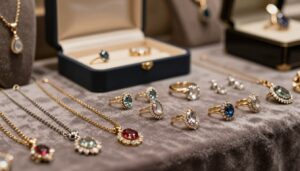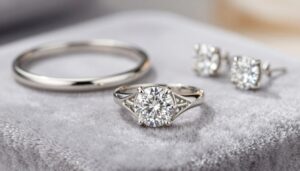

Jewelry materials can change the price, comfort, durability, color, maintenance, and long-term value of a piece. Two rings may look almost identical in a photo, but one may be solid gold, another may be gold plated, and another may be brass with a thin decorative finish. Understanding these differences helps you buy with more confidence and avoid paying too much for the wrong material.
The material also affects how jewelry feels on the skin. Some people can wear almost anything without irritation, while others need to be more careful with nickel, low-quality plating, or unknown metal blends. This is especially important for earrings, rings, bracelets, and necklaces that touch the skin for many hours.
Durability is another key point. A material that works well for occasional fashion jewelry may not be the best option for a wedding band, engagement ring, daily necklace, or heirloom piece. The best choice depends on how often you wear the item, your budget, your skin sensitivity, and the type of finish you prefer.
This guide explains the most common jewelry materials in simple terms, including precious metals, plated options, stainless steel, titanium, brass, gemstones, pearls, and costume jewelry materials. The goal is not to say that one material is always better than another, but to show when each one makes sense.
Before buying, always read the product description carefully and look for clear information about metal content, plating, stone type, and care instructions. When a seller uses vague words such as “gold tone,” “silver color,” or “premium alloy” without explaining the actual material, it is worth asking questions before making a decision.
Important note: jewelry information can affect spending decisions and skin comfort. If you have metal allergies, sensitive skin, a valuable piece, or uncertainty about a material claim, confirm details with the seller, a qualified jeweler, or an official consumer protection source before buying or cleaning the item.
What Jewelry Materials Really Mean
When a piece of jewelry is described by material, that description may refer to the main metal, a surface coating, a gemstone, a decorative insert, or a combination of several parts. For example, a necklace may have a sterling silver chain, a gold-plated pendant, a stainless steel clasp, and a synthetic stone. Each part can affect durability and care.
The most important distinction is whether the material runs through the whole piece or only covers the surface. Solid gold, sterling silver, platinum, titanium, and stainless steel usually refer to the main structure of the item. Gold plated, silver plated, rhodium plated, and vermeil refer to a surface layer applied over another base material.
In practice, many buying mistakes happen because people focus only on color. A yellow ring is not automatically solid gold, and a silver-colored necklace is not automatically sterling silver. Color can come from the metal itself, a plating layer, a coating, or a finish. The product description should explain what the item is actually made of.
Another important point is that jewelry materials are often alloys. An alloy is a mixture of metals used to improve strength, color, workability, or cost. Pure gold, for example, is soft, so it is commonly mixed with other metals to create 18k, 14k, or 10k gold. Sterling silver is also an alloy, usually made mostly of silver with a smaller amount of another metal for strength.
Precious Metals: Gold, Silver, Platinum, and Palladium
Precious metals are popular in fine jewelry because they are valued for beauty, tradition, and resistance to corrosion. The most common examples are gold, silver, platinum, and palladium. These materials usually cost more than fashion jewelry metals, but they can also offer better longevity when properly made and maintained.
Gold is measured by karat, which shows how much pure gold is in the alloy. 24k gold is pure gold, but it is usually too soft for many everyday jewelry designs. 18k gold contains more gold than 14k gold, while 14k gold is often chosen for daily wear because it balances durability, appearance, and cost. White gold is usually plated with rhodium to create a bright white finish, so it may need replating over time.
Sterling silver is widely used because it is attractive, more affordable than gold or platinum, and easy to shape into detailed designs. However, it can tarnish when exposed to air, moisture, cosmetics, and certain chemicals. Tarnish does not usually mean the silver is ruined, but it does mean the piece needs proper polishing and storage.
Platinum is dense, naturally white, and often used for engagement rings and high-end jewelry. It is usually more expensive and heavier than gold. Palladium is also part of the platinum group metals and has been used in jewelry because of its white color and lower density compared with platinum. Availability, price, and design options can vary depending on the market.
| Material | Best Use | Main Care Point |
|---|---|---|
| 14k gold | Daily rings, chains, bracelets, and earrings | Clean gently and avoid harsh chemicals that can affect finishes or stones. |
| 18k gold | Fine jewelry with a richer gold color | Protect from hard knocks because it is usually softer than lower-karat gold. |
| Sterling silver | Affordable fine jewelry and detailed designs | Store dry and polish correctly to manage tarnish. |
| Platinum | Engagement rings, wedding bands, and heirloom pieces | Expect natural patina over time and use professional maintenance for valuable items. |
| Palladium | Lightweight white precious metal jewelry | Confirm alloy details and resizing options before purchase. |
Plated, Filled, Vermeil, and Bonded Materials
Not every gold-colored or silver-colored piece is made from solid precious metal. Many affordable pieces use a base metal with a thin layer of precious metal on the surface. This can be a good option for style-focused jewelry, but the buyer should understand what the surface layer means.
Gold plated jewelry has a thin layer of gold applied over another metal. It can look beautiful when new, but the layer may wear down with friction, sweat, perfume, water, and daily use. This does not always make it a bad choice; it simply means it should be treated as decorative jewelry rather than a lifetime material.
Gold filled jewelry usually has a thicker layer of gold mechanically bonded to a base metal. It is generally more durable than ordinary gold plating, but it is still not the same as solid gold. Vermeil usually refers to gold over sterling silver, which can be attractive for people who want a precious metal base at a lower cost than solid gold.
A practical warning is to be careful with vague descriptions. Terms such as “gold tone,” “gold color,” “silver tone,” or “luxury finish” may describe appearance rather than material content. A clear listing should explain whether the item is solid, plated, filled, vermeil, stainless steel, brass, or another material.
| Term | What It Usually Means | Best For | What to Check |
|---|---|---|---|
| Solid gold | Gold alloy throughout the piece | Long-term wear and valuable jewelry | Karat mark, weight, seller reputation, and stone quality. |
| Gold plated | Thin gold layer over another metal | Fashion jewelry and occasional wear | Base metal, plating thickness, and care instructions. |
| Gold filled | Thicker bonded gold layer over a base metal | More durable affordable gold-look jewelry | Markings, gold content, and whether it suits sensitive skin. |
| Vermeil | Gold layer over sterling silver | Gold appearance with a silver base | Gold thickness, sterling silver base, and plating quality. |
| Rhodium plated | Bright white rhodium surface over another metal | White gold and silver jewelry finishes | Whether replating may be needed later. |
Stainless Steel, Titanium, Brass, Copper, and Other Base Metals
Base metals are widely used in fashion jewelry, body jewelry, watches, and affordable accessories. They can be practical, stylish, and durable, but they vary a lot in comfort and quality. The main point is to know exactly which metal is being used, especially for items worn close to the skin.
Stainless steel is popular because it is strong, affordable, and resistant to tarnish. It is often used for rings, bracelets, watch bands, chains, and some earrings. However, not all stainless steel is identical, and people with strong metal sensitivities should still check the grade and seller details before wearing it for long periods.
Titanium is lightweight, strong, and commonly used for body jewelry and modern minimalist designs. It is often preferred by people who want a light feel and good corrosion resistance. For piercings or sensitive skin, it is especially important to buy from reputable sellers that clearly describe the grade and suitability of the material.
Brass and copper are common in handmade and fashion jewelry. Brass has a warm gold-like appearance, while copper has a reddish tone. Both can develop patina over time, and both may react with skin oils, moisture, or cosmetics. Some people like this natural aging effect, while others prefer coated or plated pieces to reduce discoloration.
Nickel is a common concern because it can cause skin reactions in sensitive people. If earrings, rings, or necklaces often cause itching, redness, or discomfort, nickel or another alloy component may be involved. In that case, it is safer to look for clearly labeled materials and avoid mystery alloys.
Gemstones, Diamonds, Pearls, and Organic Materials
Jewelry materials are not limited to metals. Stones and decorative materials can change the appearance, price, fragility, and care needs of a piece. Diamonds, sapphires, rubies, emeralds, pearls, opals, turquoise, amber, coral, enamel, glass, and synthetic stones all require different levels of caution.
Diamonds are valued for brilliance, hardness, and grading factors such as cut, color, clarity, and carat weight. However, a diamond’s beauty also depends on setting quality, proportions, and maintenance. A dirty stone or loose setting can make even a good diamond look less impressive or become unsafe to wear.
Colored gemstones vary widely. Sapphire and ruby are usually durable enough for frequent wear, while emerald, opal, turquoise, and some treated stones need more careful handling. A common mistake is assuming every gemstone can be cleaned the same way. Some stones can be damaged by heat, ultrasonic cleaners, steam, chemicals, or sudden temperature changes.
Pearls are organic gems and require special care. They can be affected by acids, cosmetics, perfume, perspiration, and harsh cleaning. Pearls should usually be wiped gently after wearing and stored in a way that prevents scratches. They are beautiful, but they are not as hard-wearing as many faceted gemstones.
- Check whether the stone is natural, laboratory-created, imitation, treated, or assembled.
- Ask whether the gemstone has special care restrictions before using steam, ultrasonic cleaning, or chemical cleaners.
- Inspect prongs, bezels, clasps, and glue-set areas before wearing valuable jewelry.
- Keep pearls, opals, turquoise, and delicate stones away from harsh chemicals and high heat.
- Store softer stones separately so harder stones do not scratch them.
How to Choose the Right Material for Daily Wear
The right material depends on how the jewelry will be used. A necklace worn once a month can be more delicate than a wedding band worn every day. Earrings for sensitive ears require more caution than a decorative brooch. A bracelet that hits desks, bags, and door handles needs more durability than a pendant.
In many cases, daily jewelry should be comfortable, easy to clean, and made from a material that will not quickly lose its finish. Solid gold, platinum, titanium, high-quality stainless steel, and sterling silver can all work well depending on the piece. Plated jewelry can still be useful, but it usually needs more careful wear and realistic expectations.
Before spending more money, think about the cost per wear. A cheaper plated ring may be perfect for an event, but it may not be the best value if you expect to wear it every day for years. On the other hand, a costly precious metal piece may not be necessary if you only want a trend-based accessory.
-
Decide how often you will wear the piece.
For daily wear, prioritize durability, comfort, and easy maintenance. For occasional wear, appearance and budget may matter more than long-term resistance.
-
Check your skin sensitivity.
If you react to unknown metals, avoid vague alloys and look for clearly described materials such as titanium, platinum, solid gold, or suitable stainless steel from reputable sellers.
-
Read the full material description.
Do not rely only on color or photos. Look for words such as solid, plated, filled, vermeil, sterling, stainless steel, titanium, natural, lab-created, or imitation.
-
Match the material to the design.
Thin rings, delicate chains, and stone settings need enough strength. Very soft or thin materials may bend, break, or lose stones more easily.
-
Consider future maintenance.
White gold may need rhodium replating, silver may need polishing, pearls may need restringing, and gemstone settings may need professional inspection.
-
Ask for clarification before buying.
If a listing is unclear, ask the seller what the base metal is, how thick the plating is, whether the stones are treated, and how the piece should be cleaned.
- Choose solid or highly durable materials for rings and bracelets that receive frequent impact.
- Choose skin-friendly materials for earrings and body jewelry.
- Avoid wearing plated jewelry during swimming, exercise, bathing, or heavy cleaning.
- Do not buy expensive jewelry from listings that hide the material composition.
- Keep receipts, certificates, appraisals, and care cards for valuable pieces.
Common Mistakes When Comparing Jewelry Materials
A common mistake is comparing jewelry only by price. Lower price can be reasonable for fashion jewelry, but it may also mean thinner plating, weaker settings, unknown alloys, or synthetic stones. Higher price is not always proof of quality either. The safest approach is to compare material, craftsmanship, seller reputation, return policy, and care requirements together.
Another mistake is treating all gold-colored jewelry as if it were the same. Solid gold, gold filled, gold vermeil, and gold plated jewelry can look similar in photos but behave differently over time. The difference becomes more visible after months of friction, cleaning, sweat, and exposure to products such as perfume or lotion.
Many buyers also forget about repairs. Some materials are easier to resize, solder, polish, or reset than others. A jeweler may be able to repair a solid gold ring, but a plated ring with a base metal core may be more difficult or not worth repairing. This matters especially for rings, heirloom pieces, and sentimental jewelry.
| Mistake | Possible Consequence | Better Approach |
|---|---|---|
| Buying by color only | The piece may be plated or made from an unknown alloy. | Read the material description and ask about the base metal. |
| Cleaning all jewelry the same way | Delicate stones, pearls, plating, or glue can be damaged. | Identify the material before cleaning and use gentle methods. |
| Ignoring skin sensitivity | The jewelry may cause itching, redness, or discomfort. | Choose clearly labeled materials and avoid mystery alloys. |
| Assuming plated jewelry lasts like solid metal | The finish can wear off sooner than expected. | Use plated pieces for occasional wear and protect them from friction. |
| Forgetting repair options | The item may be difficult or costly to resize or restore. | Ask a jeweler before buying important rings or valuable pieces. |
Cleaning, Storage, and When to Ask a Professional
Jewelry care should match the material. Many solid gold, platinum, stainless steel, and some gemstone pieces can be cleaned gently with mild soap, warm water, and a soft cloth, but this is not safe for every item. Pearls, opals, turquoise, glued stones, antique pieces, and plated jewelry need more caution.
Storage matters as much as cleaning. Hard stones can scratch softer stones, chains can tangle, and silver can tarnish faster when stored in humid conditions. A simple jewelry box with separate compartments can prevent many problems. Soft pouches, anti-tarnish strips for silver, and dry storage can also help.
You should ask a professional jeweler for help when a stone feels loose, a clasp is weak, a ring is bent, a pearl strand looks stretched, or a valuable piece has not been inspected in a long time. Professional help is also safer for antique jewelry, expensive gemstones, unknown materials, and items with sentimental value.
- Wipe jewelry after wearing, especially if it touched sweat, lotion, perfume, or makeup.
- Store pieces separately to reduce scratches, tangles, and friction.
- Remove jewelry before swimming, exercising, bathing, cleaning, or sleeping when the piece is delicate.
- Use soft cloths instead of abrasive brushes or harsh household cleaners.
- Ask a jeweler before using ultrasonic or steam cleaning on gemstones, pearls, plated pieces, or antique jewelry.
Conclusion
Jewelry materials affect much more than appearance. They influence durability, skin comfort, price, cleaning, repair options, and how long a piece is likely to look good. Understanding the difference between solid precious metals, plated finishes, base metals, gemstones, pearls, and synthetic materials makes it easier to choose jewelry that fits your real needs.
The safest approach is to match the material to the way you plan to wear the piece. Daily jewelry should usually be more durable and clearly labeled, while occasional fashion jewelry can be more flexible if you understand its limits. Jewelry materials should always be judged by composition, craftsmanship, care needs, and seller transparency, not by color alone.
If a piece is expensive, sentimental, antique, or unclear in composition, ask a qualified jeweler before buying, cleaning, resizing, or repairing it. A short professional inspection can help prevent damage, confirm material claims, and protect jewelry that you want to keep for many years.
FAQ
1. What is the best jewelry material for everyday wear?
The best jewelry material for everyday wear depends on the item. For rings and bracelets, durability matters because they receive more impact. Solid gold, platinum, titanium, high-quality stainless steel, and sterling silver can all work well when properly made. For earrings, comfort and skin sensitivity may be more important. Plated jewelry can be worn daily, but the surface layer may wear faster because of friction, sweat, perfume, and cleaning products. If you want a piece to last for years, choose a clearly labeled material and check whether it can be repaired or polished later.
2. Is gold plated jewelry bad quality?
Gold plated jewelry is not automatically bad quality. It simply means a thin layer of gold has been applied over another base material. This can be a good choice for affordable fashion jewelry, trend pieces, or accessories worn occasionally. The limitation is that the gold layer can wear down over time, especially on rings and bracelets that rub against surfaces. Quality depends on the base metal, plating thickness, finish, and care. If you expect the item to perform like solid gold, you may be disappointed. If you understand its limits, it can be a practical option.
3. What is the difference between gold filled and gold plated jewelry?
Gold filled jewelry usually has a thicker layer of gold mechanically bonded to a base metal, while gold plated jewelry usually has a thinner layer applied to the surface. Because of that, gold filled pieces often last longer than ordinary gold plated pieces, especially with careful use. However, gold filled is still not the same as solid gold because the core is not gold throughout. When comparing the two, check the seller’s description, markings, care instructions, and whether the piece is suitable for your skin. For daily wear, gold filled may be more practical than thin plating.
4. Is sterling silver good for daily jewelry?
Sterling silver can be good for daily jewelry, especially for necklaces, earrings, pendants, and rings that are not exposed to heavy impact. It is more affordable than gold or platinum and can be polished when tarnish appears. The main drawback is that sterling silver can darken over time because of exposure to air, moisture, cosmetics, and chemicals. This is normal and does not usually mean the piece is ruined. For best results, store sterling silver in a dry place, clean it gently, and avoid wearing it during swimming, heavy exercise, or cleaning with chemicals.
5. Why does some jewelry turn skin green?
Skin discoloration can happen when metals such as copper react with sweat, moisture, lotions, or natural skin chemistry. Brass and copper jewelry are common examples, but some plated pieces can also cause discoloration if the surface layer wears down and exposes the base metal. Green marks are not always dangerous, but they can be annoying and may indicate that the material is not ideal for long wear. To reduce the problem, keep jewelry dry, avoid applying perfume or lotion directly under it, and choose materials with clearer composition if your skin reacts often.
6. What jewelry materials are better for sensitive skin?
People with sensitive skin should look for clearly labeled materials and avoid unknown alloys. Titanium, platinum, higher-quality solid gold, and certain stainless steel grades are often preferred, but individual reactions can vary. Nickel is a common trigger for skin irritation, so it is wise to avoid pieces that do not disclose their metal content. Earrings and body jewelry require extra caution because they stay in close contact with sensitive areas. If you often experience itching, redness, or swelling, stop wearing the item and ask a medical professional or qualified jeweler for guidance.
7. Is stainless steel jewelry worth buying?
Stainless steel jewelry can be worth buying when you want something strong, affordable, and resistant to tarnish. It is commonly used for rings, bracelets, chains, watches, and men’s jewelry, but it also appears in minimalist and fashion designs. The main advantage is durability for the price. The main caution is that not all stainless steel jewelry is made to the same quality standard, and some people with metal sensitivities may still react depending on the alloy. For better results, buy from sellers who clearly describe the material instead of using vague terms like “premium metal.”
8. Are pearls durable enough for everyday wear?
Pearls are beautiful, but they are more delicate than many gemstones and metals. They can be affected by perfume, cosmetics, perspiration, acids, harsh cleaners, and abrasion. This does not mean pearls should never be worn often, but they need more careful handling. Wipe them gently with a soft cloth after wearing and store them separately from harder stones or metals that can scratch the surface. Pearl rings and bracelets may show wear faster than pearl earrings or necklaces because they receive more contact. For valuable pearl strands, professional restringing may eventually be needed.
9. Can I clean all jewelry with soap and water?
No. Mild soap and warm water can be safe for many durable jewelry materials, but not for every piece. Some gemstones, pearls, antique jewelry, glued stones, plated finishes, and delicate settings can be damaged by soaking, heat, steam, ultrasonic cleaners, or chemicals. Before cleaning, identify the metal, stones, and construction method. If you are unsure, use a soft dry cloth and ask a professional jeweler. The biggest cleaning mistake is treating every piece the same way. A method that works for a plain gold ring may not be safe for pearls or porous stones.
10. What does rhodium plated mean?
Rhodium plated means a thin layer of rhodium has been applied to the surface of the jewelry. Rhodium is often used to give white gold or silver a bright, reflective white finish. It can improve appearance and provide a protective surface, but it is still a coating. Over time, rhodium plating may wear, especially on rings because they receive constant friction. When that happens, the underlying metal may become more visible. Replating can often restore the look, but it adds maintenance cost. Before buying white gold, ask whether it is rhodium plated.
11. How can I tell if jewelry is solid gold?
You can start by looking for markings such as 10k, 14k, 18k, 22k, or similar quality marks, but markings alone are not always enough. Check the seller’s description, receipt, and any documentation. Be careful with terms like “gold tone,” “gold color,” “gold finish,” or “gold plated,” because they do not mean solid gold. If the piece is valuable or you are unsure, a qualified jeweler can test it more reliably. Avoid aggressive home tests, as they can damage jewelry. For expensive purchases, buy from reputable sellers with clear return policies and accurate material details.
12. When should I take jewelry to a professional?
You should take jewelry to a professional when a stone is loose, a prong is bent, a clasp is weak, a chain is stretched, a ring no longer fits, or the material is unknown. Professional help is also recommended for antique jewelry, pearls, opals, emeralds, valuable diamonds, and pieces with sentimental value. A jeweler can inspect settings, clean suitable materials safely, polish certain metals, restring pearls, resize rings, and explain repair options. If you are unsure whether a cleaner, polish, or ultrasonic machine is safe, ask before using it. Preventing damage is usually cheaper than repairing it.
Editorial note: this article is educational and should not replace a professional jewelry inspection, appraisal, allergy evaluation, or seller disclosure review. For expensive, antique, sentimental, or unclear pieces, confirm the material and care method with a qualified jeweler before making decisions.
Official References
- Electronic Code of Federal Regulations — 16 CFR Part 23, Guides for the Jewelry, Precious Metals, and Pewter Industries
- Gemological Institute of America — Gem Encyclopedia
- Gemological Institute of America — Diamond Quality Factors
- Gemological Institute of America — Pearl Care and Cleaning Guide

Orion Eastwood is a certified jewelry materials specialist with over twelve years of experience in metal testing, gemstone authentication, and consumer advocacy. He began as a quality assurance technician for a jewelry importer in Portland, Oregon, before moving to independent consulting in 2017, where he has tested over 2,000 jewelry samples for plating durability, nickel content, and hypoallergenic compliance.
Orion holds a Graduate Diamonds diploma from the Gemological Institute of America (GIA) and advanced training in precious metal analysis through the Jewelers Vigilance Committee (JVC). At Moda Jewels, he translates technical metallurgical concepts into practical buying and care guidance for everyday consumers.