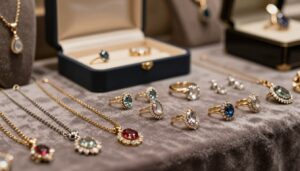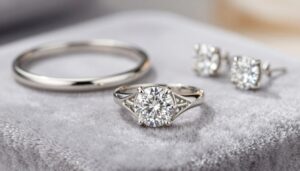

Gold jewelry is one of the most popular choices for rings, necklaces, bracelets, earrings, watches, and heirloom pieces because it combines beauty, tradition, durability, and long-term value. Still, buying gold can feel confusing when you see terms like 10K, 14K, 18K, 22K, gold plated, gold filled, vermeil, white gold, rose gold, and solid gold.
The most important thing to understand is that not every gold-colored piece has the same amount of real gold. Some pieces are made with gold alloy throughout the item, while others only have a thin layer of gold over another metal. This difference affects price, durability, resale value, skin sensitivity, and how the jewelry should be cared for.
For beginners, the safest approach is to learn how gold purity works, how to read jewelry markings, how different colors of gold are made, and what questions to ask before buying. A beautiful piece can still be a poor purchase if the seller does not explain the metal content clearly.
Gold jewelry also needs the right care. Even high-quality pieces can scratch, bend, lose shine, or suffer damage from chemicals, rough storage, or daily wear. In practice, many problems happen not because the jewelry is low quality, but because the buyer does not know which type of gold is suitable for everyday use.
This guide explains the essentials in simple language so you can compare options, avoid common mistakes, care for your pieces properly, and make a more informed decision before spending money.
Important note: before buying expensive gold jewelry, confirm the purity, markings, return policy, and seller reputation. For high-value pieces, consider asking for a written receipt, professional appraisal, or verification from a qualified jeweler.
How Gold Jewelry Is Made and Why Pure Gold Is Rarely Used Alone
Pure gold is naturally yellow, dense, and highly resistant to tarnish. However, pure gold is also soft compared with many other metals. That is why most gold jewelry is made by mixing gold with other metals such as copper, silver, zinc, nickel, palladium, or platinum. This mixture is called an alloy.
The alloy gives the jewelry more strength and can also change its color. Yellow gold usually keeps the classic golden appearance, rose gold gets its pink tone mainly from copper, and white gold is mixed with lighter-colored metals to reduce the yellow color. White gold is often coated with rhodium to create a brighter white finish.
This is why “solid gold” does not usually mean pure 24K gold. In everyday jewelry language, solid gold usually means the piece is made from a gold alloy throughout, not just covered with a thin layer of gold. A 14K solid gold ring, for example, contains gold mixed with other metals from the surface to the center.
| Gold Type | What It Means | Best Use |
|---|---|---|
| 24K gold | Very high gold purity, usually too soft for many daily jewelry pieces | Investment pieces, cultural jewelry, special items |
| 18K gold | High gold content with added metals for strength | Fine jewelry, engagement rings, special pieces |
| 14K gold | Balanced mix of gold content, durability, and price | Everyday rings, bracelets, earrings, necklaces |
| 10K gold | Lower gold content but usually stronger and more affordable | Budget-friendly everyday jewelry |
| Gold plated | Thin gold layer over another base metal | Fashion jewelry and occasional wear |
Understanding Karats, Purity, and Gold Jewelry Markings
Karat, written as K or kt, measures how much pure gold is present in a gold alloy. The scale goes up to 24 parts. A 24K piece is close to pure gold, while 18K means 18 parts gold and 6 parts other metals. The higher the karat number, the higher the gold content.
Some jewelry also uses number stamps instead of karat stamps. For example, 750 usually means 18K gold because the piece contains 75% gold. A 585 stamp usually means 14K gold, and 375 usually means 9K gold. These markings are helpful, but they should not be the only thing you rely on when buying an expensive item.
A common mistake is assuming that a stamp always guarantees authenticity. Stamps can be missing, worn down, added incorrectly, or even faked. For valuable pieces, ask for a clear receipt that states the metal, karat, item weight, gemstone details if any, and return policy.
| Marking | Approximate Gold Content | What to Know |
|---|---|---|
| 999 or 24K | About 99.9% gold | Very pure but soft for many jewelry styles |
| 916 or 22K | About 91.6% gold | Rich color, often used in traditional jewelry |
| 750 or 18K | 75% gold | Premium choice with good gold content |
| 585 or 14K | About 58.5% gold | Durable and popular for everyday wear |
| 417 or 10K | About 41.7% gold | More affordable but lower in gold content |
Gold Colors: Yellow, White, Rose, and Less Common Options
Gold jewelry comes in several colors because pure gold is mixed with other metals. Yellow gold is the traditional choice and usually has a warm, classic appearance. It often works well for vintage-inspired designs, wedding bands, chains, and pieces meant to keep a timeless look.
White gold is popular for engagement rings and modern jewelry because it looks bright and neutral. However, many white gold pieces are coated with rhodium. Over time, this coating can wear off, especially on rings, and the piece may need to be re-plated by a jeweler to restore its bright white appearance.
Rose gold has a pink or reddish tone because of copper in the alloy. It is often chosen for romantic, modern, or softer designs. A practical detail many buyers forget is that copper can slightly affect how the piece reacts with skin, especially if someone is sensitive to certain metals.
- Choose yellow gold if you want a classic warm tone and easier long-term maintenance.
- Choose white gold if you like a bright silver-like appearance and accept possible rhodium re-plating.
- Choose rose gold if you prefer a pink tone and want a distinctive look.
- Ask about nickel content if you have sensitive skin or metal allergies.
- Compare the same karat level when judging color and price fairly.
Solid Gold, Gold Plated, Gold Filled, and Vermeil: Key Differences
One of the biggest sources of confusion is the difference between solid gold and gold-coated jewelry. Solid gold jewelry is made from a gold alloy throughout the piece. It is usually more expensive, more durable, and easier to repair or resize, depending on the design.
Gold plated jewelry has a thin layer of gold over a base metal. It can look beautiful at first, but the gold layer may fade, rub off, or expose the metal underneath with regular use. This does not mean gold plated jewelry is bad; it simply belongs in the fashion jewelry category, not the long-term fine jewelry category.
Gold filled jewelry has a thicker layer of gold mechanically bonded to a base metal. It is usually more durable than basic gold plating, but it is still not the same as solid gold. Vermeil is usually gold over sterling silver, but exact standards can vary by country, so it is important to read the seller’s description carefully.
| Option | Main Advantage | Main Caution |
|---|---|---|
| Solid gold | Long-lasting, repairable, and valuable | Higher price |
| Gold filled | More durable than basic plating | Not solid gold throughout |
| Gold vermeil | Gold layer over sterling silver | Gold layer can still wear over time |
| Gold plated | Affordable and stylish | Thin layer may fade with wear |
How to Choose the Right Gold Jewelry for Daily Wear
The best gold jewelry for daily wear depends on your lifestyle. Rings and bracelets receive more friction than necklaces and earrings, so they usually need stronger alloys and more secure construction. A delicate 18K bracelet may be beautiful, but it may not be the best choice for someone who works with their hands every day.
For many buyers, 14K gold offers a practical balance between durability, appearance, and price. It is not the only good option, but it is often suitable for everyday rings, chains, and earrings. 18K gold has a richer gold content and a more premium feel, but it can be more prone to scratches depending on the design.
Before buying, think about how often you will wear the piece, whether it will touch water, cosmetics, perfume, cleaning products, or gym equipment, and whether you need something easy to repair. In many cases, a slightly thicker chain or stronger clasp matters more than choosing the highest karat number.
-
Decide how often you will wear the piece.
Daily jewelry should be more durable than jewelry used only for special events. Rings, bracelets, and chains that face frequent friction should have strong construction and secure clasps.
-
Choose the karat level based on use, not only prestige.
Higher karat gold contains more gold, but it may also be softer. For everyday wear, compare 10K, 14K, and 18K options carefully instead of assuming the highest number is always best.
-
Check the clasp, links, prongs, and setting.
A beautiful gold piece can still fail if the clasp is weak or the stone setting is poorly made. Inspect small details before paying.
-
Ask for the full metal description.
Do not accept vague terms like “gold color” or “gold tone” when you are paying for real gold. Ask whether the item is solid gold, plated, filled, or vermeil.
-
Keep the receipt and warranty details.
A detailed receipt helps with returns, insurance, repairs, and future resale. It should clearly describe the item and its gold content.
How to Check Quality Before Buying Gold Jewelry
Quality is not only about purity. A 14K gold ring with excellent construction can be a better purchase than an 18K ring with thin walls, weak prongs, or a poor finish. When checking a piece, look beyond shine and focus on structure.
Inspect the jewelry under good lighting. Look for uneven surfaces, rough soldering, weak hinges, loose stones, sharp edges, hollow areas, or clasps that feel fragile. For chains, check whether the links move smoothly and whether the clasp closes firmly.
For online purchases, read the product description carefully. The listing should clearly state the karat, metal type, item weight when relevant, gemstone details, chain length, thickness, return policy, and care instructions. If the seller avoids basic questions, that is a warning sign.
- Confirm whether the item is solid gold, gold filled, gold plated, or vermeil.
- Look for karat or purity markings, but do not rely on stamps alone.
- Ask for a detailed receipt with metal type and return policy.
- Check clasps, prongs, hinges, links, and solder points.
- Avoid vague listings that only say “gold tone” or “gold finish”.
- For expensive items, consider independent verification before final purchase.
Caring for Gold Jewelry the Right Way
Gold jewelry can last for many years, but it should be cleaned and stored properly. Sweat, lotion, perfume, chlorine, cleaning products, and abrasive surfaces can affect the finish. Even solid gold can scratch, and gold plated pieces can wear much faster when exposed to chemicals.
For routine cleaning, many plain gold pieces can be cleaned with warm water, mild dish soap, and a soft cloth. However, jewelry with pearls, emeralds, opals, glued stones, antique settings, or delicate finishes may require special care. When in doubt, ask a jeweler before soaking the piece.
Storage is also important. Gold pieces should not be thrown together in one box because chains can tangle and harder objects can scratch softer pieces. Use soft pouches, lined compartments, or separate slots for rings, earrings, and necklaces.
| Problem | Possible Cause | What to Do |
|---|---|---|
| Loss of shine | Soap, lotion, sweat, or dust buildup | Clean gently with mild soap and soft cloth if the piece allows it |
| White gold looks yellowish | Rhodium coating may be wearing off | Ask a jeweler about rhodium re-plating |
| Chain breaks | Thin links, pulling, or weak solder points | Avoid wearing delicate chains during sleep or exercise |
| Skin irritation | Possible reaction to alloy metals or base metal exposure | Stop wearing the item and ask about metal composition |
| Gold plating fades | Normal wear of a thin gold layer | Use plated jewelry for occasional wear and avoid water or chemicals |
Common Mistakes to Avoid With Gold Jewelry
A common mistake is buying only by color. A gold-colored piece may be solid gold, gold filled, plated, or simply gold-tone fashion jewelry. These items can look similar in photos but perform very differently over time.
Another mistake is assuming higher karat always means better. Higher gold content can be desirable, but it may not be ideal for every lifestyle. Someone who wants a ring for daily work, travel, and frequent handwashing may need durability as much as purity.
Many buyers also forget to check repairability. Some hollow chains, plated pieces, and complex designs are harder or less practical to repair. Before spending more, ask whether the item can be resized, repaired, polished, or re-plated if needed.
- Do not confuse “gold tone” with real gold.
- Do not buy expensive jewelry without a clear receipt.
- Do not wear delicate gold pieces during heavy activity.
- Do not clean all gemstones the same way.
- Do not assume every stamp is authentic.
- Do not store chains loose in a crowded box.
- Do not ignore skin irritation or discoloration.
When to Ask a Professional Jeweler for Help
You should ask a professional jeweler for help when the piece is expensive, inherited, antique, damaged, or difficult to identify. A jeweler can test metal content, inspect gemstones, check prongs, confirm whether a chain is repairable, and advise whether polishing or re-plating is safe.
Professional help is especially important before resizing rings, repairing broken clasps, cleaning antique jewelry, or buying secondhand gold. Some pieces may have sentimental or collectible value beyond their metal value, and aggressive cleaning or poor repair work can reduce that value.
If you are buying gold jewelry as an investment, remember that jewelry pricing includes design, labor, brand, retail markup, gemstones, taxes, and other costs. The resale value may not equal the retail price. For investment-focused purchases, compare jewelry with bullion or coins and confirm fees carefully.
Conclusion
Gold jewelry can be a beautiful and lasting purchase when you understand the basics of purity, karats, color, construction, and care. The best piece is not always the highest karat or the most expensive option; it is the one that fits your use, budget, skin sensitivity, and long-term expectations.
Before buying, confirm whether the piece is solid gold, gold filled, vermeil, or plated. Check markings, ask for a detailed receipt, inspect the construction, and avoid vague product descriptions. These simple steps help reduce the risk of overpaying or choosing jewelry that will not hold up well.
If the item is valuable, inherited, damaged, or difficult to identify, ask a qualified jeweler for help. Gold jewelry is easier to enjoy when you know what you own, how to protect it, and when professional verification is worth the extra care.
FAQ
1. What does karat mean in gold jewelry?
Karat measures the amount of pure gold in a gold alloy. The scale has 24 parts, so 24K gold is close to pure gold, 18K gold contains 18 parts gold and 6 parts other metals, and 14K gold contains 14 parts gold and 10 parts other metals. Higher karat means more gold content, but not always better durability. For everyday jewelry, the right karat depends on the item type, design, lifestyle, and budget.
2. Is 24K gold good for everyday jewelry?
24K gold has very high gold purity, but it is usually softer than lower-karat gold alloys. That softness can make it more prone to bending, dents, and scratches, especially in rings and bracelets that face daily friction. Some people still choose 24K or 22K gold for cultural, traditional, or investment reasons. For daily wear, many buyers prefer 14K or 18K because these options usually offer a better balance between gold content and strength.
3. Is 14K or 18K gold better?
Neither option is automatically better for everyone. 18K gold has more gold content and often a richer color, making it attractive for fine jewelry and special pieces. 14K gold has less gold but is usually more durable and more affordable, which can make it practical for everyday rings, chains, and earrings. If you want maximum gold content, 18K may be preferable. If you want daily durability and lower cost, 14K may be the better choice.
4. What is the difference between solid gold and gold plated jewelry?
Solid gold jewelry is made from a gold alloy throughout the piece. Gold plated jewelry has only a thin layer of gold over another base metal. This difference matters because solid gold usually lasts longer, can often be repaired more easily, and has more material value. Gold plated jewelry can look attractive, but the gold layer may fade or wear off with use. It is better for fashion pieces or occasional wear than long-term fine jewelry.
5. Does gold jewelry tarnish?
Pure gold does not tarnish easily, but most gold jewelry is made with alloys. The other metals mixed with gold can react to moisture, chemicals, sweat, or air depending on the composition. Lower-karat gold may show more changes over time because it contains a higher percentage of other metals. In many cases, dullness is simply buildup from lotions, soap, or dirt and can be cleaned safely. If discoloration looks unusual, ask a jeweler before using strong cleaning products.
6. Why does white gold sometimes turn yellow?
White gold is made by mixing gold with lighter-colored metals, but it often still has a slightly warm undertone. Many white gold pieces are coated with rhodium to create a brighter white finish. Over time, especially on rings, the rhodium layer can wear away and reveal the warmer color underneath. This is normal and does not necessarily mean the jewelry is fake. A jeweler can usually re-plate the piece with rhodium if the structure is still in good condition.
7. Is rose gold real gold?
Yes, rose gold is real gold when it is made from a genuine gold alloy. Its pink or reddish color usually comes from copper mixed with gold. The karat still matters, so 14K rose gold and 18K rose gold have different gold contents. However, a rose-colored piece is not automatically solid gold. Some fashion jewelry may only have a rose gold color or coating. Always check whether the item is solid rose gold, plated, filled, or simply rose-tone.
8. Can gold jewelry cause skin irritation?
Gold itself is generally well tolerated, but gold jewelry contains other metals that may cause irritation for some people. Nickel, copper, or exposed base metals can be a problem depending on the person and the jewelry type. Gold plated pieces can also cause issues if the thin gold layer wears away and exposes the metal underneath. If you have sensitive skin, ask about the alloy, choose reputable sellers, and consider higher-quality solid gold or nickel-free options when appropriate.
9. How should I clean gold jewelry at home?
For many plain gold pieces, warm water, mild dish soap, and a soft cloth can help remove dirt and oils. Avoid harsh chemicals, toothpaste, baking soda scrubbing, bleach, and abrasive brushes because they can damage the finish or gemstones. Do not soak jewelry with pearls, opals, emeralds, glued stones, antique settings, or delicate details unless a jeweler says it is safe. After cleaning, dry the piece carefully and store it separately to prevent scratches and tangles.
10. Is gold filled the same as solid gold?
No. Gold filled jewelry has a thicker layer of gold bonded to a base metal, but it is not gold throughout the entire piece. It is usually more durable than basic gold plating and can be a good middle option for buyers who want the look of gold at a lower price. However, it does not have the same value, repair options, or long-term characteristics as solid gold. Read the product description carefully before comparing prices.
11. What should I ask before buying gold jewelry online?
Ask whether the item is solid gold, gold filled, vermeil, or plated. Confirm the karat, item weight if relevant, chain length, clasp type, gemstone details, return policy, warranty, and whether the photos show the actual item or a sample. For expensive purchases, check seller reviews and ask for documentation. Be careful with listings that use vague terms like “gold tone,” “gold finish,” or “gold color” without clearly stating the metal content.
12. Does gold jewelry have good resale value?
Gold jewelry can have resale value, but the resale price is not the same as the retail price. Retail jewelry pricing may include design, craftsmanship, brand name, gemstones, taxes, and store markup. When selling, buyers often focus on gold weight, purity, condition, and current gold market value. Designer or antique pieces may have additional value, but this is not guaranteed. If resale value matters, keep receipts, certificates, appraisals, and any original packaging.
13. How can I tell if gold jewelry is fake?
Signs such as missing markings, unusually low prices, vague descriptions, magnetic reaction, fading color, or exposed base metal can raise concerns, but none of these alone gives a complete answer. Some authentic pieces may have worn markings, and some fake pieces may have stamps. The most reliable approach is professional testing by a qualified jeweler or reputable gold buyer. For high-value purchases, do not rely only on photos, color, weight, or seller claims.
Editorial note: this article is for educational purposes and does not replace an individual appraisal, professional jewelry inspection, written valuation, or careful review of purchase terms when buying high-value gold jewelry.
Official References
- Federal Trade Commission — Jewelry Guides
- Electronic Code of Federal Regulations — Guides for the Jewelry, Precious Metals, and Pewter Industries
- Gemological Institute of America — Gold
- World Gold Council — Gold Demand Trends

Orion Eastwood is a certified jewelry materials specialist with over twelve years of experience in metal testing, gemstone authentication, and consumer advocacy. He began as a quality assurance technician for a jewelry importer in Portland, Oregon, before moving to independent consulting in 2017, where he has tested over 2,000 jewelry samples for plating durability, nickel content, and hypoallergenic compliance.
Orion holds a Graduate Diamonds diploma from the Gemological Institute of America (GIA) and advanced training in precious metal analysis through the Jewelers Vigilance Committee (JVC). At Moda Jewels, he translates technical metallurgical concepts into practical buying and care guidance for everyday consumers.