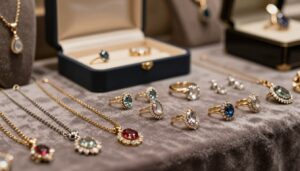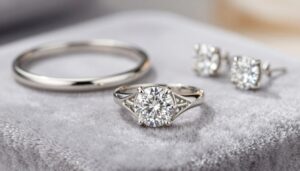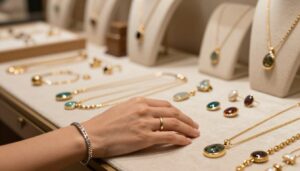
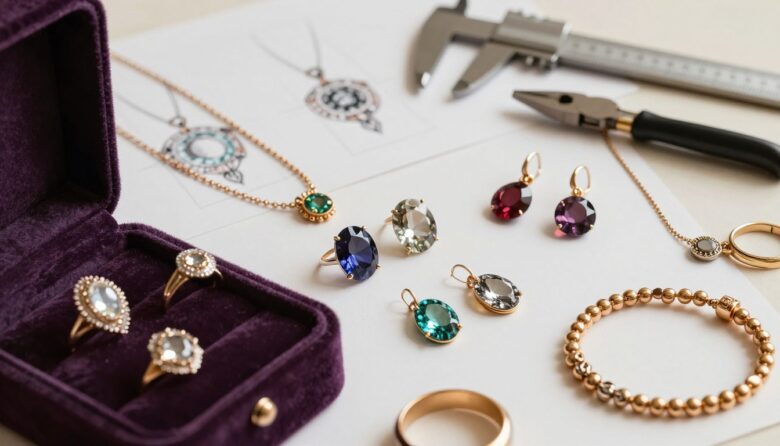
A complete jewelry guide for beginners should make jewelry feel clear, practical, and easier to buy without pressure. Many people start with a simple question, such as which metal to choose, what gemstone is worth it, or why two similar rings can have very different prices.
Jewelry can be beautiful, personal, symbolic, and valuable, but it can also be confusing when sellers use terms like solid gold, gold plated, vermeil, sterling silver, natural gemstone, lab-created diamond, or total carat weight. If you do not understand those terms, it becomes easy to overpay or choose something that does not match your lifestyle.
This guide explains the basics from the ground up. You will learn how metals work, how gemstones are evaluated, what beginners should check before buying, how to read common jewelry descriptions, and when a professional opinion is worth the extra step.
The goal is not to turn you into a gemologist. The goal is to help you ask better questions, compare pieces with confidence, avoid common mistakes, and choose jewelry that looks good, feels comfortable, and makes sense for your budget.
In 2026, beginners also need to pay attention to online listings, lab-grown stones, return policies, care instructions, and clear product disclosures. A beautiful photo is not enough. A smart jewelry purchase depends on the material, construction, seller transparency, and how the piece will be worn in real life.
Important note: jewelry can involve meaningful spending, allergies, sentimental value, and product claims that affect price. Before buying expensive pieces, confirm details with a reputable jeweler, request clear documentation when appropriate, and avoid sellers who cannot explain metal content, gemstone type, treatments, or return conditions.
Complete Jewelry Guide for Beginners: How to Understand the Basics First
Jewelry usually falls into a few broad categories: fashion jewelry, fine jewelry, bridal jewelry, heirloom pieces, and collectible or investment-level pieces. Beginners do not need to memorize every category, but understanding the difference helps you avoid comparing completely different products as if they were the same.
Fashion jewelry is often chosen for style and affordability. Fine jewelry usually uses precious metals, such as gold, platinum, or sterling silver, and may include diamonds, pearls, or colored gemstones. Bridal jewelry focuses on engagement rings, wedding bands, and anniversary pieces. Heirloom jewelry may have emotional value even when its resale value is uncertain.
A common beginner mistake is judging jewelry only by appearance. Two necklaces may look similar in a product photo, but one may be solid gold while the other is gold plated over a base metal. One ring may contain a natural sapphire, while another may use a lab-created sapphire or an imitation stone. These differences matter for price, durability, care, and long-term value.
| Jewelry Type | Best For | Beginner Caution |
|---|---|---|
| Fashion jewelry | Trendy looks, occasional wear, lower budgets | May tarnish, fade, or irritate sensitive skin depending on materials. |
| Fine jewelry | Daily wear, gifts, milestone purchases | Requires clearer understanding of metal, stone quality, and maintenance. |
| Bridal jewelry | Engagement rings, wedding bands, anniversary pieces | Should be checked for comfort, durability, setting security, and documentation. |
| Heirloom jewelry | Sentimental pieces, family history, restoration projects | Should be inspected before resizing, cleaning, or resetting stones. |
For a beginner, the safest first step is to decide why you want the piece. A necklace for occasional outfits can follow different rules than a ring worn every day. Earrings for sensitive ears require more attention to metal content. An engagement ring should be evaluated more carefully than a low-cost accessory.
How to Choose Jewelry Metals Without Getting Confused
Metal is the foundation of most jewelry. It affects color, durability, price, weight, skin comfort, and maintenance. Beginners often focus only on whether a piece looks gold, silver, or rose-toned, but the real question is what the piece is made of and how the surface will behave over time.
Gold is usually alloyed with other metals because pure 24 karat gold is soft for many jewelry uses. Common options include 10k, 14k, 18k, and 22k gold, depending on the market. Higher karat gold contains more gold, but that does not always mean it is the best choice for daily wear. A well-made 14k or 18k piece can be more practical for many beginners than very high-karat gold.
Sterling silver is popular and more affordable than gold or platinum, but it can tarnish and may need polishing. Platinum is dense, durable, and often used for engagement rings and wedding bands, but it usually costs more. Gold-plated jewelry can look attractive at first, but the surface layer may wear down, especially on rings and bracelets that rub against skin, desks, bags, and clothing.
| Metal Option | When It Makes Sense | Care or Buying Caution |
|---|---|---|
| 14k gold | Daily rings, bracelets, necklaces, and earrings | Good balance for many buyers, but still confirm whether it is solid, hollow, plated, or filled. |
| 18k gold | Fine jewelry with richer gold color | Can be softer than lower-karat gold depending on the alloy and design. |
| Sterling silver | Affordable fine jewelry and classic styles | May tarnish and needs proper storage away from moisture. |
| Platinum | Bridal jewelry and durable long-term pieces | Usually heavier and more expensive, so compare comfort and budget first. |
| Gold plated | Budget-friendly fashion pieces | The gold layer is on the surface and may wear away with friction or chemicals. |
| Vermeil | Gold-colored jewelry over sterling silver | Better than many base-metal plated pieces, but still a surface layer, not solid gold. |
When shopping, do not be afraid to ask direct questions. Ask whether the item is solid gold, gold filled, gold plated, vermeil, sterling silver, stainless steel, or base metal. A trustworthy seller should be able to answer clearly. If the description only says “gold tone” or “silver color,” treat it as a color description, not proof of precious metal content.
Gemstones, Diamonds, and Pearls Explained Simply
Gemstones add color, meaning, and value, but they also add complexity. Diamonds, sapphires, rubies, emeralds, amethysts, garnets, pearls, opals, turquoise, and many other gems have different durability levels, care needs, and pricing factors. A stone that works well in earrings may not be ideal for an everyday ring.
For diamonds, beginners often hear about the 4Cs: color, clarity, cut, and carat weight. These factors help describe diamond quality, but they should not be treated as isolated numbers. A diamond with excellent cut can look lively and bright, while a larger diamond with weaker cut may appear dull. Carat refers to weight, not automatically visual size or beauty.
Colored gemstones are different. Color is often one of the most important visual factors, but treatment disclosure, durability, origin claims, and cut quality also matter. Many gemstones are treated in ways that are common in the jewelry trade, but beginners should still ask whether a treatment affects care, value, or future repair.
Pearls are organic gems and need gentler care than many stones. They can be affected by perfume, hairspray, chemicals, dryness, and rough storage. Opals, turquoise, emeralds, and some other stones can also require special handling. In practice, the more delicate or valuable the piece is, the more important it becomes to ask for care instructions before wearing it daily.
| Stone Type | What Beginners Should Check | Practical Caution |
|---|---|---|
| Diamond | Cut, color, clarity, carat weight, report, natural or lab-grown status | Do not rely only on size; cut and documentation matter. |
| Sapphire or ruby | Color, clarity, treatment, durability, setting quality | Ask whether the stone is natural, lab-created, treated, or imitation. |
| Emerald | Color, clarity, treatments, setting protection | Emeralds often need more careful wear than many beginners expect. |
| Pearl | Luster, surface, shape, matching, natural or cultured type | Avoid harsh cleaners, soaking, perfume contact, and rough storage. |
| Opal or turquoise | Stability, treatment, setting style, care instructions | Can be more delicate than harder stones used in daily rings. |
A Beginner-Friendly Step-by-Step Jewelry Buying Process
Buying jewelry becomes easier when you follow a simple process instead of reacting only to photos, discounts, or sales pressure. Beginners often make better choices when they slow down and compare pieces by purpose, material, comfort, seller transparency, and return policy.
-
Decide the purpose of the piece.
Choose whether the jewelry is for daily wear, occasional outfits, a gift, a wedding, a milestone, or a collectible purchase. The purpose affects the metal, stone, setting, size, and budget.
-
Set a realistic budget before browsing.
Decide what you can spend comfortably. This helps you avoid emotional overspending, especially when comparing diamonds, gold jewelry, or limited-time offers.
-
Choose the metal first.
Check whether you need solid gold, sterling silver, platinum, stainless steel, or a plated option. For sensitive skin, confirm the metal content before buying earrings or daily-wear pieces.
-
Understand the stone description.
Look for words such as natural, lab-created, cultured, simulated, treated, or imitation. These terms can affect value and expectations, so avoid listings that hide them.
-
Check measurements, not only photos.
Product images can make jewelry look larger than it is. Review millimeter size, chain length, ring width, stone dimensions, and total weight when provided.
-
Review the setting and construction.
For rings, check prongs, bezel settings, stone security, and band thickness. For necklaces and bracelets, check clasp type, chain style, and links.
-
Read the return, warranty, and repair terms.
Before paying, confirm whether resizing, returns, exchanges, and repairs are available. Custom pieces may have stricter conditions than ready-made jewelry.
-
Ask for documentation when the value justifies it.
For expensive diamonds, colored stones, or branded pieces, documentation can help confirm important details. Keep receipts, grading reports, appraisals, and care instructions in a safe place.
- Confirm the exact metal, not only the color.
- Check whether gemstones are natural, lab-created, treated, cultured, simulated, or imitation.
- Compare measurements in millimeters instead of trusting enlarged photos.
- Review return rules before buying customized or resized jewelry.
- Ask about care instructions before wearing the piece every day.
- Keep receipts, reports, warranties, and appraisals together.
Na prática, the best beginner purchase is not always the most expensive one. It is the piece that matches your lifestyle, has clear information, feels comfortable, and comes from a seller willing to answer basic questions without pressure.
Sizing, Comfort, and Daily Wear: The Practical Side Beginners Forget
Comfort is one of the most overlooked parts of buying jewelry. A ring can look perfect online but feel too wide, too tight, too thin, or too high on the finger. A necklace may be beautiful but sit at an awkward length. Earrings may be stylish but too heavy for long wear.
For rings, size can change slightly depending on weather, time of day, finger shape, and band width. Wider bands usually feel tighter than thin bands in the same size. Engagement rings and wedding bands should be tested carefully because they are often worn for many hours every day.
For necklaces, chain length affects how the piece sits with clothing and neck shape. A short chain may feel restrictive, while a long chain may move more or catch on fabric. For bracelets, check wrist measurement and clasp usability. A bracelet that is too loose can snag; one that is too tight can be uncomfortable.
For earrings, weight and metal sensitivity matter. Some people can wear fashion earrings occasionally but need gold, titanium, platinum, or another suitable metal for long-term comfort. If your ears become red, itchy, or painful, stop wearing the piece and check the material before trying again.
- Measure ring size when your hands are at a normal temperature.
- Check band width before assuming your usual ring size will feel the same.
- Compare necklace length with a chain you already like.
- Test bracelet clasps for ease of opening and closing.
- Choose lighter earrings if you plan to wear them all day.
- Remove jewelry before swimming, heavy cleaning, intense workouts, or activities that may bend, scratch, or loosen settings.
How to Read Jewelry Descriptions, Marks, and Certificates
Jewelry descriptions are important because they tell you what you are actually buying. Beginners should pay close attention to words that describe metal content, gemstone origin, plating, treatments, size, and total weight. Small wording differences can change the meaning.
A stamp such as 925 usually points to sterling silver. Gold jewelry may be marked with karat numbers such as 10k, 14k, 18k, or 22k, depending on the region and item. Platinum jewelry may use marks related to platinum content. However, marks are not a substitute for buying from a reputable seller, because stamps can be missing, worn, confusing, or misused.
For gemstones, descriptions should make clear whether the stone is natural, lab-created, simulated, imitation, cultured, treated, or assembled when those details are relevant. A lab-created sapphire is not the same thing as a natural sapphire, and a diamond simulant is not the same thing as a natural or lab-grown diamond.
Certificates and grading reports are most useful for higher-value pieces, especially diamonds and important colored stones. A report can describe characteristics, but it is not the same as a guarantee that you personally like the stone. Always combine documentation with visual inspection, seller reputation, and practical wear considerations.
| Term or Mark | What It Usually Means | What to Ask Before Buying |
|---|---|---|
| 925 | Sterling silver content mark | Is the entire piece sterling silver, or is there plating or another coating? |
| 14k or 18k | Gold alloy karat mark | Is it solid gold, hollow, gold filled, or only plated? |
| Gold plated | Gold layer over another material | What is the base metal, and how should the piece be cared for? |
| Lab-created | Created in a laboratory, not mined naturally | Is it chemically the same material as the natural gem, or is it a simulant? |
| Total carat weight | Total weight of all stones in the piece | What is the size or weight of the main stone separately? |
Common Jewelry Mistakes Beginners Should Avoid
One of the biggest beginner mistakes is treating every shiny piece as if it has the same durability and value. Jewelry can be solid, plated, hollow, delicate, repaired, treated, resized, or made for occasional wear. Without checking those details, a buyer may be disappointed after only a few weeks of use.
Another common mistake is buying a gemstone based only on name. A ruby, sapphire, emerald, diamond, pearl, or opal can vary widely in quality, treatment, origin, and price. The name of the stone is only the beginning of the evaluation, not the full explanation.
Beginners also sometimes forget maintenance. Rings take more impact than necklaces. Bracelets rub against surfaces. Earrings touch skin directly. Pearls and softer stones need gentle care. If you want jewelry that can handle daily wear, choose materials and settings that match that expectation.
| Beginner Mistake | Possible Consequence | Better Approach |
|---|---|---|
| Buying only from photos | The piece may be smaller, thinner, or lighter than expected. | Check measurements, weight, chain length, and stone dimensions. |
| Ignoring metal content | The jewelry may tarnish, fade, or irritate skin. | Ask for exact metal details before buying. |
| Choosing a delicate stone for daily wear | The stone may scratch, chip, dry out, or need special care. | Match gemstone durability to how often the piece will be worn. |
| Not reading return policies | Resized, engraved, or custom items may not be returnable. | Confirm return and exchange rules before payment. |
| Confusing carat weight with size | The jewelry may not look as large as expected. | Compare millimeter dimensions and visual proportions. |
Cleaning, Storage, Insurance, and When to Ask a Professional
Jewelry lasts longer when it is cleaned and stored correctly. For many pieces, a soft cloth and gentle care are better than harsh chemicals or aggressive scrubbing. Avoid using random cleaning hacks on valuable jewelry because different metals and stones react differently.
As a general habit, remove jewelry before swimming, applying strong cleaning products, using lotions or perfumes, lifting heavy objects, gardening, or doing activities that may bend settings. This is especially important for rings and bracelets because they face more impact than necklaces or earrings.
Storage also matters. Keep pieces separated so stones and metals do not scratch each other. Pearls should not be stored the same way as ordinary metal chains, and silver may need anti-tarnish storage. Travel jewelry cases can help prevent tangled chains, bent posts, and loose stones.
Professional help is worth it when a piece is expensive, sentimental, antique, damaged, or set with valuable stones. A jeweler can inspect prongs, tighten stones, resize rings, repair clasps, restring pearls, polish metal, and advise whether a piece should be insured or appraised.
- Store jewelry separately to reduce scratching and tangling.
- Use a soft cloth after wearing pieces exposed to skin oils or cosmetics.
- Keep pearls away from harsh chemicals, perfume, and rough storage.
- Inspect rings regularly for loose stones or worn prongs.
- Ask a professional before cleaning antique, fragile, or high-value jewelry.
- Consider an appraisal and insurance for expensive or irreplaceable pieces.
Conclusion
A complete jewelry guide for beginners is useful because it turns confusing terms into practical decisions. Once you understand metal types, gemstone descriptions, sizing, comfort, documentation, and care, jewelry shopping becomes less stressful and much easier to compare.
The safest approach is to choose jewelry based on purpose first, then check material, construction, stone details, measurements, seller reputation, and return policy. A piece does not need to be the most expensive option to be a good choice; it needs to match your lifestyle and be described clearly.
If the purchase is expensive, sentimental, antique, or difficult to verify, ask a qualified jeweler, appraiser, or gemological laboratory for help before making a final decision. For everyday pieces, keep the process simple: buy from transparent sellers, care for the item properly, and choose designs you will actually enjoy wearing.
FAQ
1. What is the best type of jewelry for a beginner to buy first?
The best first jewelry purchase is usually a simple piece you can wear often, such as a pair of earrings, a basic necklace, a plain ring, or a bracelet in a durable metal. Beginners should avoid starting with complicated gemstone pieces unless they understand the stone, setting, and care needs. A practical first purchase should match your lifestyle, skin sensitivity, and budget. For example, sterling silver, 14k gold, or stainless steel may be good options depending on your goals and comfort.
2. Is solid gold better than gold plated jewelry?
Solid gold is generally more durable and valuable than gold plated jewelry because the gold content runs through the piece rather than sitting only on the surface. Gold plated jewelry can still be useful for fashion, occasional wear, or lower budgets, but the plating may fade or wear off over time. Beginners should not treat both as equal. If you want daily wear, long-term use, or a meaningful gift, solid gold or another durable metal is usually a safer choice.
3. What does 925 mean on jewelry?
The mark 925 usually indicates sterling silver, meaning the piece contains 92.5% silver alloyed with other metals for strength. Sterling silver is popular because it offers a fine jewelry feel at a more accessible price than gold or platinum. However, it can tarnish when exposed to moisture, air, chemicals, or improper storage. Beginners should store sterling silver in a dry place, clean it gently with appropriate products, and confirm whether the piece has plating or additional coatings.
4. Are lab-grown diamonds real diamonds?
Lab-grown diamonds have the same basic diamond material as mined diamonds, but they are created in a laboratory rather than formed naturally underground. They should not be confused with diamond simulants, such as cubic zirconia or moissanite, which are different materials. For beginners, the key is disclosure. A seller should clearly state whether a diamond is natural, lab-grown, or a simulant. Price, resale expectations, reports, and personal preference can all affect which option makes sense.
5. What are the 4Cs of diamonds?
The 4Cs are color, clarity, cut, and carat weight. They are used to describe diamond quality and help buyers compare stones more consistently. Color refers to how colorless a diamond appears in the standard grading range. Clarity refers to internal and external characteristics. Cut affects how well the diamond reflects light. Carat weight measures weight, not beauty by itself. Beginners should not choose only by carat size because cut quality can strongly affect how attractive a diamond looks.
6. What is the difference between natural, lab-created, and simulated gemstones?
A natural gemstone forms in nature. A lab-created gemstone is made in a laboratory and may share the same chemical composition as its natural counterpart, depending on the gem. A simulated gemstone only imitates the appearance of another stone but is made from a different material. For example, a simulated diamond is not the same as a lab-grown diamond. Beginners should ask sellers to define the term clearly because these differences affect price, value, care, and expectations.
7. Which jewelry metals are best for sensitive skin?
Many people with sensitive skin prefer metals such as platinum, titanium, higher-quality gold alloys, or properly described hypoallergenic options. However, skin reactions can vary from person to person. Earrings are especially important because they sit directly in pierced skin. Beginners should avoid vague descriptions such as “gold color” or “metal alloy” if they have sensitivities. If you regularly react to jewelry, ask about nickel content and consider speaking with a professional for allergy guidance.
8. How can I tell if a jewelry seller is trustworthy?
A trustworthy jewelry seller provides clear product descriptions, realistic photos, measurements, metal details, gemstone information, care instructions, return policies, and contact options. For higher-value items, the seller should also be able to explain documentation, grading reports, appraisals, or warranties when relevant. Be cautious if a seller uses pressure tactics, refuses basic questions, hides material details, or makes unusually strong claims about value. Transparency is one of the most important signs for beginners.
9. Should beginners buy jewelry online?
Beginners can buy jewelry online safely when they choose reputable sellers and read details carefully. The main risk is relying only on photos. Online images can make jewelry look larger, brighter, or heavier than it really is. Before buying, check measurements, metal type, stone description, return policy, shipping insurance, customer support, and whether the item is customized. For expensive jewelry, documentation and a clear return window are especially important.
10. How often should jewelry be cleaned?
Cleaning frequency depends on the material and how often the jewelry is worn. Daily-wear rings and earrings may need gentle cleaning more often because they collect skin oils, lotion, soap, and dirt. Pearls, opals, turquoise, antique pieces, and delicate gemstone jewelry require extra caution. Beginners should avoid harsh chemicals unless they know the piece can handle them. When unsure, use a soft cloth and ask a jeweler before using liquid cleaners or ultrasonic machines.
11. Is jewelry a good investment?
Jewelry can hold value, but beginners should be careful with the word investment. Retail jewelry prices include design, labor, brand, overhead, and profit margins, so resale value may be lower than the purchase price. Some rare, branded, antique, or high-quality pieces can perform better, but that requires expertise. If your main goal is financial return, consult an appraiser or specialist. For most beginners, jewelry is better viewed as personal, wearable value rather than guaranteed profit.
12. When should I get jewelry appraised?
An appraisal is useful for expensive jewelry, insurance, estate planning, inherited pieces, antique jewelry, or items with important diamonds or gemstones. It can help describe the piece and estimate replacement value, but it should come from a qualified and independent professional when the stakes are high. Beginners should not assume every sales receipt is the same as an appraisal. If the jewelry is sentimental or valuable, keeping updated documentation can make future repairs, insurance claims, or resale decisions easier.
Editorial note: this article is educational and does not replace an in-person evaluation by a qualified jeweler, gemologist, appraiser, or medical professional when a purchase involves high value, allergies, antique pieces, damaged settings, or uncertain gemstone claims.
Official References
- eCFR — 16 CFR Part 23: Guides for the Jewelry, Precious Metals, and Pewter Industries
- GIA — Understanding the 4Cs of Diamond Quality
- GIA — Gem Encyclopedia
- GIA — Birthstones and Gemstone Education
- Federal Trade Commission — Final Revisions to Jewelry Guides

Orion Eastwood is a certified jewelry materials specialist with over twelve years of experience in metal testing, gemstone authentication, and consumer advocacy. He began as a quality assurance technician for a jewelry importer in Portland, Oregon, before moving to independent consulting in 2017, where he has tested over 2,000 jewelry samples for plating durability, nickel content, and hypoallergenic compliance.
Orion holds a Graduate Diamonds diploma from the Gemological Institute of America (GIA) and advanced training in precious metal analysis through the Jewelers Vigilance Committee (JVC). At Moda Jewels, he translates technical metallurgical concepts into practical buying and care guidance for everyday consumers.