The vintage jewelry revival is not just about wearing old-fashioned pieces again. It reflects a bigger shift in how people choose accessories: they want jewelry with character, craftsmanship, history, and a look that feels more personal than mass-produced trends.
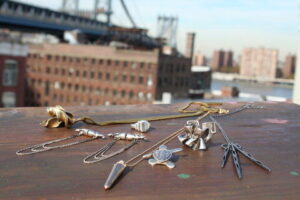
Antique-inspired rings, Art Deco earrings, Victorian lockets, signet rings, pearl necklaces, ornate brooches, and heirloom-style pendants are appearing again in everyday outfits, bridal styling, social media looks, and modern designer collections.
Part of the appeal comes from contrast. Clean minimalist outfits can feel more expressive with one detailed antique-style piece, while romantic dresses, tailored blazers, denim, and evening wear can gain depth from jewelry that looks collected over time.
This comeback also connects with practical concerns. Many shoppers are thinking more carefully about quality, sustainability, resale value, and whether a piece will still feel beautiful years from now.
For beginners, the most important point is simple: vintage-inspired jewelry does not always mean real antique jewelry. Some pieces are genuinely old, some are estate pieces, and others are modern designs inspired by past eras.
Important note: before buying antique, vintage, or high-value jewelry, check the seller’s reputation, request clear documentation when possible, and avoid relying only on appearance to confirm age, metal purity, gemstone quality, or authenticity.
Why Vintage Jewelry Revival Is Growing Again
The return of vintage and antique-style jewelry is closely tied to the desire for individuality. Many modern accessories look polished, simple, and easy to reproduce. Antique designs, on the other hand, often show hand-finished details, unusual stone cuts, engraving, filigree, milgrain edges, floral motifs, symbolic shapes, and settings that feel more personal.
Another reason is emotional value. People often associate older jewelry styles with family memories, romance, special occasions, and a sense of permanence. Even when the piece is newly made, the design can suggest heritage and meaning.
Fashion also works in cycles. When minimalist jewelry dominates for many years, more decorative pieces eventually start to feel fresh again. A bold vintage-style ring or a detailed pendant can make a simple outfit look intentional without requiring a full wardrobe change.
| Reason for the comeback | What it means for shoppers | Practical example |
|---|---|---|
| Desire for individuality | People want pieces that feel less generic. | A hand-engraved locket instead of a plain pendant. |
| Interest in craftsmanship | Detailed settings and older techniques feel special. | Milgrain edges, filigree, enamel, or hand-cut stones. |
| Sustainability mindset | Pre-owned jewelry can reduce demand for newly produced pieces. | Choosing an estate ring instead of a newly manufactured one. |
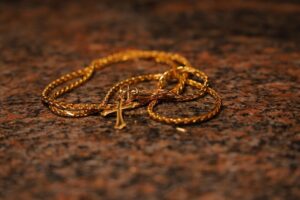
| Timeless styling | Classic designs can stay wearable beyond one season. | Pearls, signet rings, Art Deco earrings, or gold chains. |
The Difference Between Antique, Vintage, Estate, and Vintage-Inspired Jewelry
One common mistake is using every old-looking piece as if it belonged to the same category. In practice, these words matter because they affect price, value, rarity, and how carefully the piece should be inspected before purchase.
Antique jewelry usually refers to pieces that are more than 100 years old. Vintage jewelry is commonly used for pieces from a past era, often several decades old. Estate jewelry simply means previously owned jewelry, which may be antique, vintage, or relatively modern.
Vintage-inspired jewelry is different. It is newly made but designed with details from older periods. This option can be useful for someone who wants the look of antique jewelry without the maintenance concerns, limited sizing, or higher price of a genuine historical piece.
| Term | What it usually means | What to check |
|---|---|---|
| Antique jewelry | A piece generally considered over 100 years old. | Condition, repairs, provenance, hallmarks, and gemstone security. |
| Vintage jewelry | A piece from a past style period, often decades old. | Era, materials, wear, resizing history, and seller documentation. |
| Estate jewelry | Previously owned jewelry of any age. | Authenticity, market price, return policy, and professional appraisal. |
| Vintage-inspired jewelry | A modern piece made to look like an older design. | Metal quality, gemstone details, craftsmanship, and brand transparency. |
Antique Design Eras That Are Influencing Modern Jewelry
Different historical periods created different jewelry languages. Understanding these styles helps shoppers recognize what they like instead of choosing only because a piece looks “old” or “classic.”
Victorian-inspired jewelry often includes lockets, cameos, hearts, flowers, bows, serpents, mourning symbolism, and ornate gold work. These pieces can feel romantic, sentimental, and decorative.
Edwardian-inspired designs tend to feel lighter and more delicate, often using lace-like details, platinum-style settings, pearls, diamonds, and elegant symmetry. They work well for bridal jewelry and formal pieces.
Art Nouveau jewelry is known for natural lines, flowers, insects, flowing female figures, enamel, and soft curves. Art Deco jewelry, by contrast, usually feels more geometric, bold, symmetrical, and architectural.
- Choose Victorian-inspired designs if you like romantic, symbolic, and ornate pieces.
- Choose Edwardian-inspired designs if you prefer delicate, elegant, and lace-like details.
- Choose Art Nouveau-inspired designs if you enjoy nature, curves, enamel, and artistic shapes.
- Choose Art Deco-inspired designs if you prefer geometry, contrast, symmetry, and strong lines.
- Choose retro-inspired pieces if you like bold gold, sculptural shapes, and statement styling.
Why Antique Designs Feel More Personal Than Mass-Produced Trends
Modern jewelry can be beautiful, but many pieces are designed for broad appeal. Antique and vintage-inspired designs often feel more specific. A small engraving, unusual stone shape, old-style clasp, or detailed setting can make the piece feel like it has a story.
This is why lockets, signet rings, charm bracelets, brooches, and heirloom-style pendants are returning. They invite personalization. A locket can hold a photo, a signet ring can carry initials, and a charm bracelet can grow over time.
In everyday styling, one meaningful piece often has more visual impact than several trendy accessories. For example, a simple white shirt and jeans can look more refined with an antique-style gold pendant or a pair of pearl drop earrings.
How Sustainability Is Helping the Vintage Jewelry Revival
Many buyers are becoming more thoughtful about what they purchase. Pre-owned jewelry can be appealing because it gives an existing piece a new life. This does not automatically make every vintage purchase perfect, but it can be a more conscious alternative to buying newly produced accessories every season.
Real antique and estate jewelry also encourages slower shopping. Instead of buying many low-cost pieces that may tarnish or break quickly, shoppers may choose one better-made item that can be repaired, resized, passed down, or resold.
Vintage-inspired jewelry can also support this mindset when it is made with durable materials and transparent production standards. The key is not only the design, but the quality behind it.
How to Buy Vintage or Antique-Style Jewelry Safely
Buying antique or vintage jewelry requires more care than buying a simple modern accessory. Older pieces may have worn prongs, replaced stones, thinning bands, old repairs, or unclear metal markings. That does not always make the piece bad, but it should affect the price and your expectations.
Before buying, look closely at condition, seller reputation, return policy, photos, measurements, hallmarks, and any available documentation. For valuable gemstones or precious metals, a professional jeweler or gemologist can help confirm details.
-
Decide whether you want genuine age or only the aesthetic.
If you want history, look for antique, vintage, or estate pieces. If you mainly want the style, vintage-inspired jewelry may be easier to size, insure, and maintain.
-
Check the seller carefully.
Look for clear policies, detailed descriptions, real photos, business history, and transparent answers. Avoid sellers who pressure you or refuse basic questions.
-
Inspect the condition.
Check clasps, prongs, stone settings, chains, hinges, enamel, engraving, and signs of repair. A beautiful piece may still need restoration before regular use.
-
Ask about materials and documentation.
For gold, platinum, diamonds, pearls, and gemstones, ask whether the seller has hallmarks, appraisals, grading reports, or professional testing information.
-
Compare similar pieces.
Do not judge price from one listing alone. Compare age, condition, materials, brand, gemstone quality, and rarity before deciding if the price is reasonable.
-
Plan for maintenance.
Some older pieces should not be worn daily. Delicate settings, pearls, opals, enamel, and fragile clasps may need extra care.
- Confirm whether the piece is antique, vintage, estate, or vintage-inspired.
- Ask for clear close-up photos before buying online.
- Check the return policy before paying.
- Look for hallmarks, maker’s marks, or professional documentation.
- Be cautious with pieces described as rare without proof.
- Use a professional appraisal for expensive purchases.
Common Mistakes People Make With Antique Jewelry Trends
A common mistake is buying only because a piece looks romantic in photos. Jewelry can photograph beautifully but still be uncomfortable, fragile, poorly repaired, or difficult to style. Measurements matter, especially for rings, chains, brooches, and earrings.
Another mistake is assuming that every old piece is valuable. Age can add interest, but value also depends on condition, materials, craftsmanship, maker, rarity, gemstone quality, and demand.
Some buyers also confuse patina with damage. Patina can add character, but loose stones, cracked enamel, weak clasps, deep dents, and thinning bands are practical problems that may require repair.
| Common mistake | Possible consequence | Better approach |
|---|---|---|
| Buying only for appearance | The piece may be fragile or uncomfortable. | Check measurements, condition, weight, and daily usability. |
| Ignoring repairs | Old repairs can affect value and durability. | Ask whether stones, clasps, or settings have been replaced. |
| Assuming age equals value | You may overpay for a common or damaged item. | Compare similar pieces and request expert help for costly items. |
| Wearing delicate pieces daily | Prongs, pearls, enamel, or soft stones may wear faster. | Save fragile pieces for occasional use. |
How to Style Antique Designs in a Modern Wardrobe
The easiest way to wear antique-inspired jewelry is to let one piece lead the look. A detailed ring, brooch, pendant, or pair of earrings can become the focal point while the rest of the outfit stays simple.
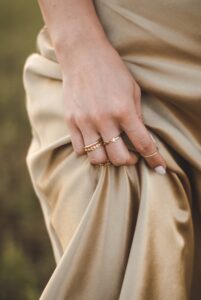
For casual outfits, try mixing vintage-style jewelry with clean basics. A signet ring with denim, pearl earrings with a black top, or a locket with a linen shirt can feel polished without looking overly formal.
For formal outfits, antique designs can add depth. Art Deco earrings work well with sleek dresses, Edwardian-inspired pieces pair beautifully with bridal looks, and Victorian-style lockets can soften structured tailoring.
- Start with one statement piece if the design is highly detailed.
- Mix antique-style jewelry with modern clothing to avoid a costume effect.
- Balance ornate pieces with simple necklines, clean fabrics, or neutral colors.
- Use brooches on blazers, coats, scarves, handbags, or simple dresses.
- Layer carefully so older pieces do not scratch softer stones or delicate surfaces.
When to Choose Real Antique Jewelry and When to Choose Vintage-Inspired Pieces
Real antique jewelry makes sense when you value age, rarity, craftsmanship, and historical character. It can be ideal for collectors, heirloom buyers, and people who enjoy owning something that cannot be easily replaced.
Vintage-inspired jewelry makes more sense when you want the look but need modern durability, easier sizing, consistent materials, or a lower-maintenance piece. This is especially practical for engagement rings, everyday earrings, and jewelry that will be worn often.
In many cases, the best choice depends on lifestyle. If you work with your hands, travel often, or want a piece for daily wear, a modern vintage-inspired design may be safer. If you want a special occasion piece or a collectible item, genuine vintage or antique jewelry may be more satisfying.
When to Ask a Jeweler, Appraiser, or Gemologist for Help
Professional help is recommended when a piece is expensive, has important gemstones, is claimed to be antique, comes from a famous maker, or may need repair. A trained professional can inspect details that are difficult to judge from photos.
For heirloom jewelry, an appraisal can also help with insurance, resale planning, estate decisions, and restoration choices. The goal is not only to know the value, but also to understand how to care for the piece properly.
You should also ask for help before resizing delicate rings, cleaning pearls, repairing enamel, resetting antique stones, or polishing heavily detailed metalwork. A wrong repair can reduce both beauty and value.
Conclusion
The vintage jewelry revival shows that many people are looking for accessories with meaning, personality, and lasting style. Antique designs stand out because they bring detail, symbolism, craftsmanship, and emotional depth into modern wardrobes.
The safest approach is to understand the difference between antique, vintage, estate, and vintage-inspired pieces before buying. A beautiful design matters, but condition, materials, authenticity, and wearability matter just as much.
If you are buying a high-value piece, inherited jewelry, or anything with unclear history, ask a qualified jeweler, appraiser, or gemologist for guidance. That extra step can help you enjoy the look of vintage jewelry while avoiding costly mistakes.
FAQ
1. Why is vintage jewelry becoming popular again?
Vintage jewelry is becoming popular again because it offers character, detail, and individuality. Many people want accessories that feel less mass-produced and more meaningful. Antique-style pieces often include engraving, unusual stones, symbolic shapes, and craftsmanship that stands out in a modern wardrobe. The trend also connects with sustainability, because pre-owned jewelry can give existing pieces a second life. For many shoppers, the appeal is not only age or rarity, but the feeling that the piece has a story.
2. Is vintage jewelry the same as antique jewelry?
No, vintage jewelry and antique jewelry are not exactly the same. Antique jewelry usually refers to pieces that are more than 100 years old. Vintage jewelry usually refers to older pieces from a past era, but not necessarily old enough to be antique. Estate jewelry simply means previously owned jewelry, regardless of age. Vintage-inspired jewelry is newly made but designed to look like older styles. Knowing these differences helps you understand pricing, care needs, and authenticity claims.
3. Are antique jewelry designs good for everyday wear?
Some antique designs are suitable for everyday wear, but not all genuine antique pieces are strong enough for daily use. Rings with delicate prongs, soft stones, enamel, pearls, or thin bands may need extra care. Vintage-inspired pieces can be a better daily option because they offer the old-world look with newer construction. Before wearing an antique piece every day, ask a jeweler to inspect the setting, clasp, stones, and metal condition.
4. What are the most popular vintage jewelry styles?
Popular vintage jewelry styles include Art Deco rings, Victorian lockets, pearl necklaces, signet rings, cameo brooches, charm bracelets, Edwardian-inspired engagement rings, and floral pendants. Art Deco pieces are loved for geometry and contrast, while Victorian styles feel romantic and symbolic. Pearls and lockets are also returning because they are easy to personalize. The best style depends on whether you prefer bold structure, soft romance, delicate elegance, or sentimental detail.
5. How can I tell if a vintage jewelry piece is real?
You can start by checking hallmarks, maker’s marks, construction details, wear patterns, materials, and seller documentation. However, visual inspection is not enough for valuable pieces. Some modern jewelry is intentionally made to look old, and some old pieces have replacement parts or repairs. For expensive jewelry, gemstones, precious metals, or branded pieces, ask a qualified jeweler, appraiser, or gemologist for professional evaluation before you buy.
6. Is vintage-inspired jewelry a good alternative?
Yes, vintage-inspired jewelry can be a good alternative if you love antique design but want modern durability, easier sizing, clearer materials, and less maintenance. It is especially practical for engagement rings, earrings, and everyday pieces. The main thing is to check quality. A vintage-inspired piece should still have good metal, secure settings, clear gemstone information, and reliable craftsmanship. The design may look old, but the buying standards should remain modern.
7. What should I check before buying antique jewelry online?
Before buying antique jewelry online, check the seller’s reputation, return policy, close-up photos, measurements, condition notes, metal marks, gemstone information, and any available appraisal or grading report. Be careful with vague descriptions such as “rare” or “valuable” without proof. Ask questions before purchasing, especially about repairs, resizing, replaced stones, and clasp condition. If the seller avoids basic details, it is safer to look elsewhere.
8. Can antique jewelry be resized or repaired?
Many antique jewelry pieces can be resized or repaired, but the process must be handled carefully. Some rings have delicate engraving, thin bands, enamel, or old settings that can be damaged by aggressive work. Pearls, opals, and certain older stones may also be sensitive to heat and chemicals. Before resizing or repairing any antique piece, ask a jeweler experienced with older jewelry. A poor repair can reduce both durability and value.
9. Why do Art Deco jewelry designs remain so popular?
Art Deco jewelry remains popular because it feels both vintage and modern. Its geometric lines, symmetry, contrast, and bold shapes pair well with contemporary fashion. Many Art Deco-inspired rings, earrings, and bracelets look elegant without feeling overly delicate. The style also works well for bridal jewelry because it can feel structured, glamorous, and timeless. For people who want antique influence without a heavily romantic look, Art Deco is often a strong choice.
10. Is vintage jewelry more sustainable?
Vintage and estate jewelry can be more sustainable in the sense that they reuse existing pieces instead of requiring a newly produced item. This can reduce demand for new manufacturing and support slower consumption. However, sustainability also depends on condition, repairability, seller transparency, and how long the buyer keeps the piece. A durable vintage or vintage-inspired item that is worn for many years is usually a better choice than a low-quality accessory bought for a short trend.
11. Are pearls considered part of the vintage jewelry revival?
Yes, pearls are a major part of the vintage jewelry revival. They are linked with classic, bridal, heirloom, and old-Hollywood styling, but they can also look modern when worn with simple clothing. Pearl studs, drop earrings, chokers, brooches, and mixed-chain necklaces are all popular options. The main care point is that pearls are softer than many gemstones, so they should be protected from perfume, harsh cleaners, scratches, and rough storage.
12. What is the safest first vintage-style piece to buy?
For beginners, a vintage-style pendant, signet ring, pearl earrings, or simple Art Deco-inspired ring is often a safe starting point. These pieces are easier to style and usually do not require as much commitment as a rare antique item. If buying genuine vintage, choose something in good condition from a trustworthy seller. Avoid very fragile pieces as your first purchase unless you understand the care and repair costs involved.
Editorial note: This article is for educational purposes and is intended to help readers understand vintage and antique-inspired jewelry styles. For high-value purchases, inherited pieces, gemstones, precious metals, or insurance decisions, consult a qualified jeweler, appraiser, or gemologist before making a final decision.
Official References

Orion Eastwood is a certified jewelry materials specialist with over twelve years of experience in metal testing, gemstone authentication, and consumer advocacy. He began as a quality assurance technician for a jewelry importer in Portland, Oregon, before moving to independent consulting in 2017, where he has tested over 2,000 jewelry samples for plating durability, nickel content, and hypoallergenic compliance.
Orion holds a Graduate Diamonds diploma from the Gemological Institute of America (GIA) and advanced training in precious metal analysis through the Jewelers Vigilance Committee (JVC). At Moda Jewels, he translates technical metallurgical concepts into practical buying and care guidance for everyday consumers.