Choosing jewelry styles to match your face shape and skin tone can make necklaces, earrings, rings, and bracelets look more balanced, flattering, and intentional. The right piece does not need to be expensive or trendy; it needs to work with your natural features, your outfit, and the impression you want to create.
Many people buy jewelry because it looks beautiful in a display case or online photo, but then feel that something looks slightly “off” when they wear it. In many cases, the problem is not the jewelry itself. It may be the length, shape, metal tone, gemstone color, or scale of the piece compared with the wearer’s face and complexion.
Face shape helps guide the structure of your jewelry, especially earrings and necklaces. Skin tone helps guide the colors that sit close to your face, including gold, silver, rose gold, pearls, diamonds, colored stones, and enamel details. When both are considered together, jewelry feels more natural and polished.
This guide explains how to identify your face shape, understand your undertone, choose flattering jewelry, avoid common mistakes, and build a small collection that works for everyday outfits and special occasions.
You do not need strict rules to look good in jewelry. These recommendations are practical starting points. Personal style, comfort, culture, budget, and the occasion should always matter more than any fixed beauty rule.
Important note: if you have sensitive skin, metal allergies, or irritation from earrings, necklaces, or rings, check the material carefully before buying and consider hypoallergenic options such as implant-grade titanium, surgical stainless steel, platinum, or solid gold from a trusted seller.
How to Identify Your Face Shape Before Choosing Jewelry
Your face shape is usually determined by the relationship between your forehead, cheekbones, jawline, and face length. You do not need perfect measurements, but a quick look in the mirror can help you understand which jewelry shapes will create balance.
Stand in front of a mirror with your hair pulled back. Notice whether your face looks longer than it is wide, whether your jawline is soft or sharp, and whether your cheekbones are the widest part of your face. These details help you choose earrings and necklaces that either soften, lengthen, widen, or balance your features.
In practice, many people are between two face shapes. For example, you may have an oval face with a slightly square jaw, or a round face with defined cheekbones. If that happens, use the closest match as a guide and test jewelry in front of a mirror before buying.
| Face Shape | Common Features | Jewelry Goal |
|---|---|---|
| Round | Soft jawline, similar face width and length, fuller cheeks. | Add length and vertical lines. |
| Oval | Balanced proportions, slightly longer than wide, soft jawline. | Maintain natural balance. |
| Square | Strong jawline, forehead and jaw similar in width. | Soften angles and add movement. |
| Heart | Wider forehead, narrower chin, sometimes defined cheekbones. | Add balance near the jawline. |
| Long or Rectangular | Face length is clearly longer than width, often with a defined jaw. | Add width and avoid too much vertical length. |
| Diamond | Cheekbones are the widest point, forehead and chin are narrower. | Soften cheekbone width and balance top and bottom. |
Best Jewelry Styles to Match Your Face Shape
The easiest place to apply face-shape guidance is earrings because they sit close to the face and can change how the face appears visually. Necklaces also matter because their length and shape affect the neckline, jawline, and overall frame.
For round faces, long drop earrings, slim hoops, vertical bars, and angular pieces usually work well because they create length. Very small round studs or large circular earrings can sometimes make the face look rounder, although they can still work when styled intentionally.
For square faces, rounded earrings, medium hoops, teardrops, pearls, and curved shapes can soften a strong jawline. Sharp geometric earrings can look stylish, but if the goal is softness, curved designs are usually easier to wear.
For heart-shaped faces, earrings that add volume near the jawline are often flattering. Teardrop earrings, chandelier earrings, and triangle shapes that are wider at the bottom can balance a narrower chin. Short necklaces and chokers may work well when they do not make the upper face feel visually heavier.
For long or rectangular faces, studs, clustered earrings, medium hoops, and wider designs can add balance. Very long, thin earrings may make the face look longer, especially when paired with deep V-neck tops or long pendant necklaces.
Oval faces are the most flexible. Most earring and necklace styles work because the proportions are naturally balanced. The main decision is usually scale: delicate jewelry for a softer look, medium pieces for everyday polish, and bold pieces for statement styling.
How Skin Tone and Undertone Affect Jewelry Choices
Skin tone refers to the surface shade of your skin, such as fair, light, medium, tan, deep, or rich. Undertone refers to the subtle color underneath the skin. It is usually described as warm, cool, neutral, or olive.
Warm undertones often have golden, peachy, or yellow notes. Cool undertones often have pink, red, or bluish notes. Neutral undertones can wear both warm and cool metals easily, while olive undertones may have a greenish or muted golden quality that can look beautiful with specific metals and stones.
A common mistake is choosing jewelry only by skin depth. For example, two people may both have medium skin, but one may look best in yellow gold while the other looks better in silver or white gold. Undertone is often more useful than surface shade when choosing metal color.
| Undertone | Metals That Often Work Well | Gemstone Colors to Try |
|---|---|---|
| Warm | Yellow gold, bronze, copper, warm rose gold. | Emerald, citrine, amber, coral, champagne, warm pearls. |
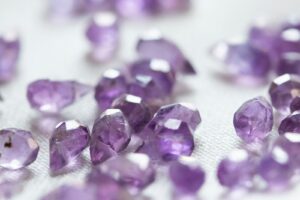
| Cool | Silver, white gold, platinum, cool rose gold. | Sapphire, amethyst, ruby, blue topaz, white pearls, clear stones. |
| Neutral | Yellow gold, silver, rose gold, mixed metals. | Most gemstone colors, especially balanced or soft tones. |
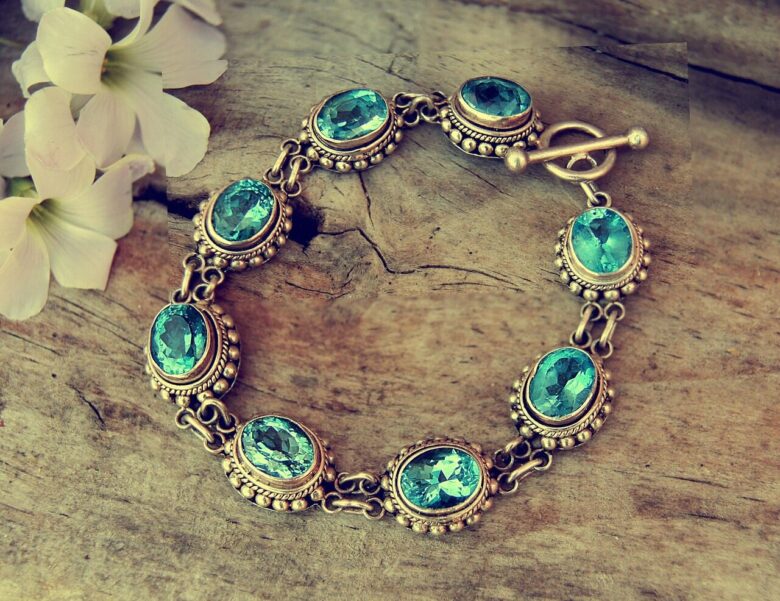
| Olive | Yellow gold, antique gold, rose gold, some silver tones. | Jade, emerald, garnet, turquoise, smoky quartz, cream pearls. |
Simple Tests to Find Your Undertone
If you are unsure about your undertone, a few simple tests can help. None of them is perfect on its own, but together they usually give a clear direction. The best test is still trying different metals near your face in natural light.
-
Look at your veins in natural light.
If your veins look more green, you may have a warm or olive undertone. If they look blue or purple, you may have a cool undertone. If you see both, your undertone may be neutral.
-
Compare silver and gold near your face.
Hold a silver piece and a yellow gold piece close to your cheek. The better option usually makes your skin look fresher, while the less flattering option may make you look tired or dull.
-
Check how white and cream fabrics look on you.
Bright white often flatters cooler undertones, while cream or ivory often flatters warmer undertones. Neutral undertones may look good in both.
-
Notice how your skin reacts to sun exposure.
People who tan easily often lean warm or olive, while people who burn easily often lean cool. This is only a clue, not a rule, because skin protection habits and natural skin depth also matter.
-
Test jewelry with your usual clothing colors.
Your best metal should work with the colors you wear often. A necklace may look beautiful alone but less useful if it clashes with most of your wardrobe.
- Test jewelry in natural daylight instead of only under store lighting.
- Compare metals close to your face, not just on your wrist.
- Notice whether the jewelry makes your skin look fresh or dull.
- Try both polished and matte finishes, because shine can change the effect.
- Use your favorite clothing colors as part of the decision.
Matching Earrings to Face Shape and Skin Tone
Earrings are often the most noticeable jewelry because they frame the face directly. The right pair can brighten your complexion, balance your face shape, and make a simple outfit feel complete.
If you have a round face and warm undertone, long gold drops, slim amber earrings, or vertical emerald pieces can create length while warming the complexion. If you have a round face and cool undertone, silver linear earrings, white gold drops, or sapphire accents may be more flattering.
If you have a square face, curved designs are usually a safe starting point. Pearl drops, rounded hoops, soft gemstone clusters, and oval earrings can reduce harshness around the jaw. For warm undertones, cream pearls and gold hoops may work beautifully. For cool undertones, white pearls and silver hoops often look cleaner.
If you have a long face, avoid earrings that are extremely long and thin unless you intentionally want a dramatic effect. Medium hoops, studs with presence, clustered stones, and wider designs can add visual width. This is especially helpful when your hairstyle is pulled back.
For heart and diamond face shapes, pay attention to where the earring has the most volume. Pieces that widen toward the bottom can balance a narrow chin, while soft curves can reduce sharpness around cheekbones.
Choosing Necklaces That Flatter Your Features
Necklaces affect how the eye moves between your face, neck, shoulders, and neckline. The length, pendant shape, chain thickness, and metal color all matter. A necklace that looks perfect with one top may disappear or feel awkward with another.
Short necklaces and chokers can add width and draw attention upward. They often work well for long faces, oval faces, and people with longer necks. However, if you have a round face and want a lengthening effect, a slightly longer necklace may be more flattering.
V-shaped necklaces, vertical pendants, and longer chains can lengthen the face and neckline. These are often useful for round or square faces, especially when paired with open necklines. The caution is that very long necklaces can make a long face look even longer.
For heart-shaped faces, necklaces that sit around the collarbone can help balance the chin and neckline. Rounded pendants, soft curves, and medium chains often look more harmonious than very sharp V-shaped pieces.
| Necklace Style | Best For | Careful With |
|---|---|---|
| Choker | Long, oval, and balanced face shapes. | Very round faces if the goal is length. |
| Princess length | Most face shapes and everyday outfits. | High necklines that hide the chain. |
| V pendant | Round and square faces needing length. | Long faces if the pendant is very narrow. |
| Collar necklace | Open necklines and elegant evening looks. | Busy prints or tops with heavy detail. |
| Layered chains | Neutral styling and modern outfits. | Too many layers near a small neckline. |
How to Build a Jewelry Collection That Works With Your Natural Features
A useful jewelry collection does not need dozens of pieces. A smaller collection with the right metals, shapes, and sizes is often easier to wear. The goal is to own jewelry that matches your face shape, skin tone, lifestyle, and common outfits.
Start with a metal that flatters your undertone. Then choose a few pieces in different categories: everyday studs or small hoops, one flattering necklace, one statement earring, one simple bracelet, and rings that match your hand size and personal style.
In many cases, people overspend on statement pieces before buying basics. A better approach is to build a foundation first. Once you know which metal and shape work best, statement jewelry becomes easier to choose.
- Choose one main metal that works well with your undertone.
- Buy one everyday earring style that flatters your face shape.
- Choose one necklace length that works with most of your tops.
- Add one statement piece for events or simple outfits.
- Check comfort, weight, clasp quality, and skin reaction before frequent use.
- Avoid buying jewelry only because it is trendy if it does not match your features.
Common Mistakes When Matching Jewelry to Your Face and Skin
One common mistake is choosing jewelry only by trend. A bold earring may look stylish online, but if the shape fights your face proportions or the metal dulls your skin, it may not feel flattering in real life.
Another mistake is ignoring scale. Very tiny jewelry can disappear on strong features, thick hair, or structured outfits. Very large jewelry can overwhelm delicate features or compete with detailed clothing. The best scale usually depends on your face, hairstyle, outfit, and occasion.
Some people also assume they can wear only one metal forever. While one metal may be most flattering, mixed metals can look modern and intentional when repeated throughout the outfit. For example, a watch with both silver and gold can make mixed jewelry feel coordinated instead of random.
| Mistake | Why It Can Look Off | Better Approach |
|---|---|---|
| Buying only by trend. | The piece may not suit your features or wardrobe. | Test shape, color, and scale before buying. |
| Ignoring undertone. | The metal can make skin look dull or uneven. | Compare silver, gold, and rose gold in natural light. |
| Choosing earrings that repeat face width. | Round faces may look wider, and long faces may look longer. | Use jewelry shapes that create balance. |
| Wearing too many statement pieces together. | The outfit can feel heavy or unfocused. | Let one piece be the main focus. |
| Ignoring comfort and allergies. | Heavy or reactive pieces may irritate skin. | Check material, weight, and clasp quality. |
When to Ask a Jeweler or Stylist for Help
You can choose most jewelry on your own, but professional help is useful when the piece is expensive, custom-made, sentimental, or intended for daily wear. Engagement rings, wedding jewelry, heirloom redesigns, and fine jewelry purchases deserve more careful guidance.
A jeweler can explain metal quality, plating, gemstones, durability, resizing, repair options, and allergy-safe materials. This matters because two pieces may look similar but perform very differently over time.
A stylist can help if you struggle to match jewelry with clothing, hair color, glasses, makeup, or professional outfits. This is especially useful when you need a polished look for work, photos, events, or a capsule wardrobe.
If you experience redness, itching, swelling, or discomfort from jewelry, stop wearing the piece and check the material. If irritation continues, it is safer to speak with a qualified health professional before trying more metals.
Conclusion
The best jewelry styles to match your face shape and skin tone are the pieces that create balance, brighten your complexion, and feel comfortable enough to wear confidently. Face shape helps guide earring and necklace structure, while undertone helps guide metals and gemstone colors.
Start with simple tests: identify your closest face shape, compare silver and gold near your face, and notice which pieces make your skin look fresher. Then build a small collection around the shapes, lengths, colors, and materials that work most often for your daily outfits.
If you are buying expensive, custom, or sentimental jewelry, ask a trusted jeweler for help with quality and materials. If your concern is overall styling, a stylist can help you create combinations that feel polished without losing your personal taste.
FAQ
1. What jewelry looks best on a round face?
Round faces usually look balanced with jewelry that adds length and structure. Long drop earrings, slim vertical earrings, angular designs, and V-shaped necklaces can help create a more elongated effect. This does not mean you must avoid hoops or studs completely, but very round earrings can sometimes repeat the roundness of the face. If you love hoops, try oval hoops or medium hoops instead of very wide circular styles. For necklaces, slightly longer chains and pendants often work better than tight chokers when the goal is to visually lengthen the face.
2. What earrings are best for a square face?
Square faces often look flattering with earrings that soften the jawline. Rounded hoops, teardrop earrings, oval shapes, pearls, and curved designs can create a softer visual effect. Sharp geometric earrings can still look stylish, especially for a bold or modern outfit, but they may emphasize the angles of the face. If you want balance, choose earrings with movement or rounded edges. Medium-length earrings are often easier to wear than very short pieces because they draw attention downward without making the jawline look heavier.
3. How do I know if gold or silver jewelry suits me better?
The easiest way is to compare both metals near your face in natural light. Gold often flatters warm undertones, while silver often flatters cool undertones. If both look good, you may have a neutral undertone. Pay attention to how your skin looks, not just whether you like the jewelry. The better metal usually makes your complexion look fresher and more even. The less flattering metal may make your skin look tired, dull, or slightly washed out. You can still wear any metal you love, but this test helps with everyday choices.
4. Can I wear rose gold with any skin tone?
Rose gold is flexible, but the exact shade matters. Warmer rose gold with a stronger copper tone often flatters warm, neutral, and olive undertones. Softer or lighter rose gold can work beautifully on cool undertones, especially when the pink tone is subtle. If rose gold looks too orange or too pink against your skin, try a different finish or mix it with silver or yellow gold. Rose gold is also useful for people who want a softer alternative to yellow gold but find silver too cool or bright.
5. What jewelry works best for an oval face?
Oval faces are usually easy to style because the proportions are naturally balanced. Most earrings and necklaces work well, including studs, hoops, teardrops, drops, collars, pendants, and layered chains. The main thing to consider is scale. Small delicate pieces create a subtle look, while larger statement pieces can add drama without overwhelming the face. If you have an oval face, your hairstyle, outfit neckline, and personal style may matter more than strict face-shape rules. Try different shapes and choose what feels balanced in the full outfit.
6. What gemstones look good on warm undertones?
Warm undertones often look beautiful with gemstones that have earthy, golden, green, orange, or rich warm tones. Examples include emerald, citrine, amber, coral, garnet, champagne stones, smoky quartz, and warm-toned pearls. Yellow gold usually enhances these colors well. The best choice also depends on your outfit and contrast level. If your skin has a soft warm tone, very bright stones may feel too strong for everyday wear. If your coloring is deeper or more vivid, richer gemstone colors can look elegant and intentional.
7. What gemstones look good on cool undertones?
Cool undertones often pair well with gemstones that have blue, purple, pink, red, white, or icy tones. Sapphire, amethyst, ruby, blue topaz, aquamarine, white pearls, diamonds, and clear crystals can look especially flattering. Silver, platinum, and white gold usually support these colors well. If a gemstone makes your skin look gray or tired, the tone may be too muted or too warm for you. Try comparing the same stone color in different settings, because silver and gold can change how the color appears near your face.
8. Should my necklace match my earrings?
Your necklace and earrings do not need to match exactly, but they should feel connected. They can share the same metal, stone color, shape, or style mood. For example, gold hoops and a delicate gold pendant can look coordinated without being a set. If one piece is bold, keep the other simpler so they do not compete. Matching sets can look elegant for formal events, but for everyday style, a slightly mixed look often feels more modern. The key is to repeat at least one detail so the combination looks intentional.
9. Can I mix silver and gold jewelry?
Yes, silver and gold can be mixed when the combination looks intentional. The easiest way is to repeat both metals more than once, such as wearing a two-tone watch, gold earrings, and a silver ring with a gold detail. Avoid wearing one random piece in a different metal unless it connects to something else in the outfit. Mixed metals work especially well for neutral undertones, but anyone can try them. Keep the style similar, such as all delicate pieces or all bold pieces, to make the mix feel polished.
10. What jewelry should I wear if I have sensitive skin?
If you have sensitive skin, prioritize material quality before style. Many people react to nickel or low-quality plating, especially in earrings. Look for hypoallergenic materials such as implant-grade titanium, surgical stainless steel, platinum, niobium, or solid gold from a trusted seller. Gold-plated jewelry can still cause irritation if the plating wears down and exposes a reactive base metal. If a piece causes itching, redness, swelling, or discomfort, stop wearing it. For ongoing reactions, ask a qualified health professional for guidance.
11. How do I choose jewelry for everyday outfits?
For everyday outfits, choose jewelry that is comfortable, durable, and easy to combine. A good starting set includes small or medium earrings, a simple necklace, a bracelet or watch, and rings that do not interfere with daily tasks. Use your best metal as the base, then add one or two accent pieces. Avoid overly heavy earrings or delicate chains that may break easily if you are active during the day. Everyday jewelry should flatter your face and skin tone, but it should also fit your routine and clothing style.
12. Is it better to follow jewelry rules or personal style?
Personal style should always come first. Face shape and skin tone guidelines are useful because they help you understand why some pieces feel more flattering than others, but they are not strict rules. If a piece makes you feel confident, comfortable, and expressive, it can still be the right choice. The best approach is to use guidelines when shopping or building a collection, then adjust based on your taste. Jewelry is both a styling tool and a form of personal expression, so balance is more important than perfection.
Editorial note: this article is for general style guidance and does not replace personalized advice from a jeweler, stylist, or health professional when you are buying valuable pieces, redesigning sentimental jewelry, or dealing with skin irritation from metals.

Orion Eastwood is a certified jewelry materials specialist with over twelve years of experience in metal testing, gemstone authentication, and consumer advocacy. He began as a quality assurance technician for a jewelry importer in Portland, Oregon, before moving to independent consulting in 2017, where he has tested over 2,000 jewelry samples for plating durability, nickel content, and hypoallergenic compliance.
Orion holds a Graduate Diamonds diploma from the Gemological Institute of America (GIA) and advanced training in precious metal analysis through the Jewelers Vigilance Committee (JVC). At Moda Jewels, he translates technical metallurgical concepts into practical buying and care guidance for everyday consumers.